


UPCxels: Open and Multisectoral Data Space Based on Artificial Intelligence
June 20, 2025
SEAMPHONI: A Marine Digital Twin to Monitor Marine Biodiversity
July 4, 202523/06/2025
The Motion Control and Industrial Applications (MCIA) Research Group at the Universitat Politècnica de Catalunya - BarcelonaTech (UPC) is participating in the OPTIMA project, which aims to design and develop a high-efficiency, fully integrated bifacial photovoltaic system. This system is engineered for optimal performance and adaptability, particularly for installation on flat rooftops of buildings with high energy demands, such as commercial and industrial facilities.
In a context marked by the urgent need to reduce energy consumption and transition toward more sustainable models, especially in commercial and industrial settings, the OPTIMA project emerges as a high-impact technological response. It is not only focused on improving the energy efficiency of photovoltaic systems but also on making them adaptable and intelligent to maximise self-consumption and reduce reliance on non-renewable energy sources.
Within this framework, the project’s goal is to develop an integrated system of components that work together to maximise the use of solar energy for building self-consumption. As a demonstration project, it brings together photovoltaic, mechanical, electronic, and computational technologies, applying them intelligently in buildings to prove that clean and efficient energy generation is achievable—even in large, heavily polluted urban environments. Various prototype modules of the system have already been developed.
For instance, regarding the photovoltaic panel, the proposed prototype has the particular feature of capturing energy on both sides (bifacial), with a self-orienting capability to follow the sun’s path using an electromechanical system. This system can dynamically adjust to shadows cast on the rooftop itself in order to maximise the total energy captured on both sides. The project also includes the development of a low-cost weather station prototype that provides data for real-time solar tracking control. In terms of photovoltaic energy management technology, the MCIA group has developed a prototype inverter using next-generation semiconductor technology (SiC), known for its high energy efficiency. Combined with a proprietary system of sensors and communications, it enables the use of optimized tracking algorithms that improve overall energy performance while monitoring the system’s health to prevent operation under suboptimal and thus less efficient conditions.
Impact
Compared to conventional rooftop photovoltaic systems, the OPTIMA system offers significant competitive advantages. It delivers higher electricity generation per unit of installed power (kWh/kWp) and per square metre (kWh/m²), thereby making more effective use of available rooftop space.
It also enables better alignment between generation and consumption hours, thereby reducing dependence on the electrical grid and the need to contract additional power. Moreover, superior efficiency in DC/AC energy conversion is achieved thanks to the use of state-of-the-art Wide Band Gap (WBG) electronic devices, with a direct impact on increased energy output.
In the final phase of the project, the MCIA Research Center has implemented significant improvements in power electronics by using high-performance silicon carbide (SiC) transistors. Due to their low thermal conductivity, these have enabled an energy efficiency of 96%. In parallel, the center has developed a Modbus TCP-IP communication interface that enables network connectivity and data transmission to the cloud, supporting real-time monitoring and intelligent system management solutions.
Partners, Budget and Funding
The project, which runs for 36 months (from September 2022 to August 2025) with a total budget of €798,294, is coordinated by the Instituto de Sistemas Fotovoltaicos de Concentración (ISFOC), part of the Instituto de Finanzas de Castilla-La Mancha group and a leading institution in solar technologies. The Eurecat Foundation also participates as a project partner.


You want to know more?
Related Projects
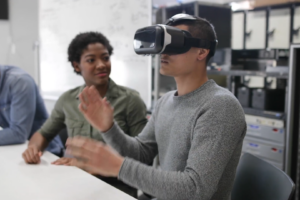
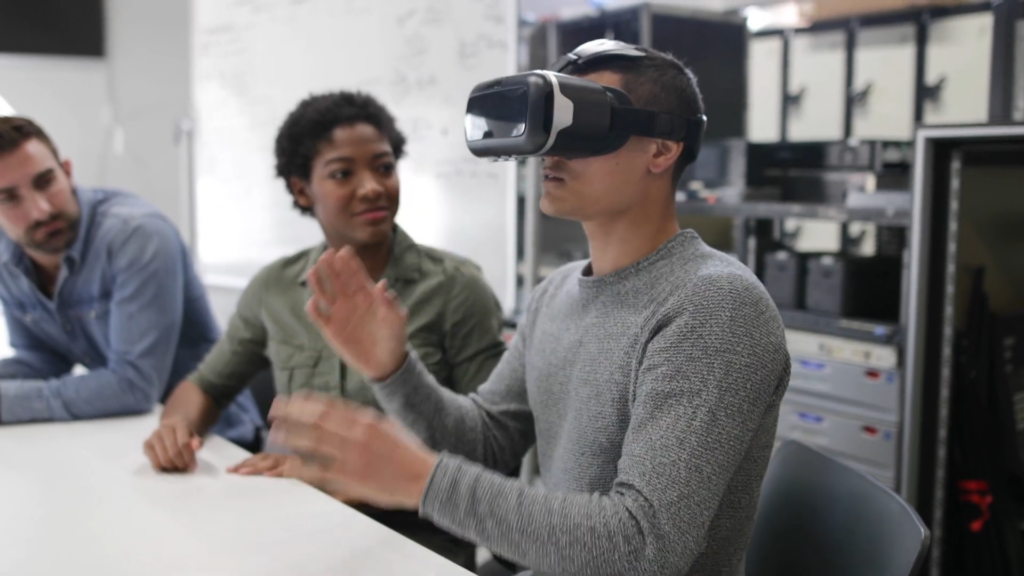
- The Visualisation, Virtual Reality and Graphic Interaction Research Group (ViRVIG) at the Universitat Politècnica de Catalunya - BarcelonaTech (UPC) has participated in the XR4ED project, an initiative that connects the educational technology (EdTech) and Extended Reality (XR) sectors, with the aim of transforming learning and training across Europe.
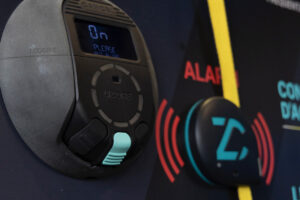
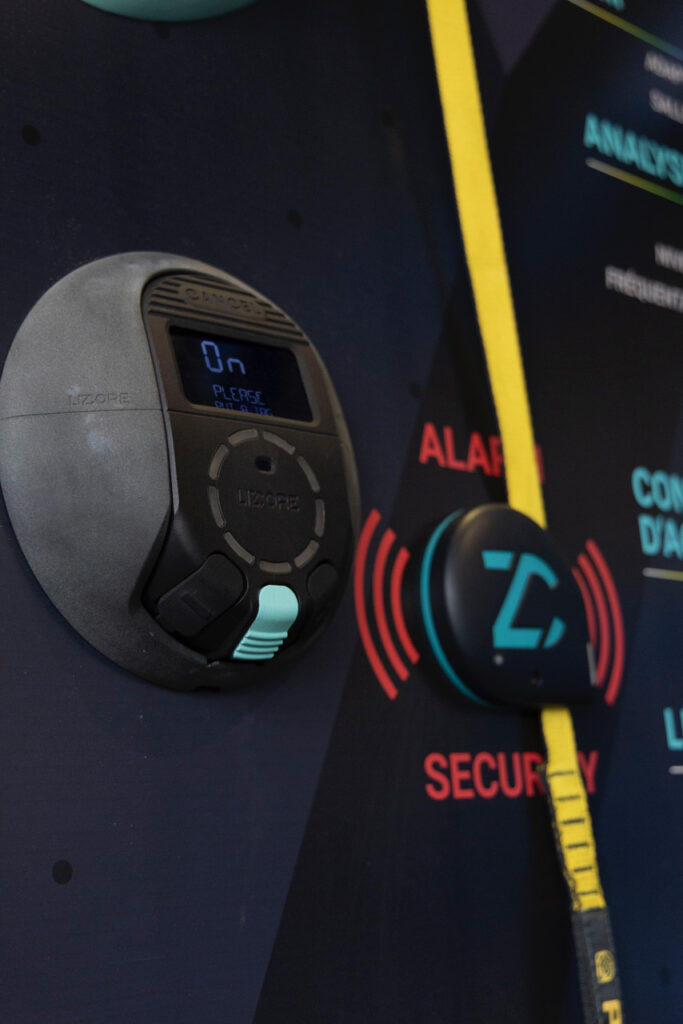
- The inLab FIB at the UPC has collaborated with Lizcore® for the development of a proof of concept based on artificial intelligence to improve safety in climbing with autobelay devices. The system allows the automatic and accurate detection of risk situations before starting a route.
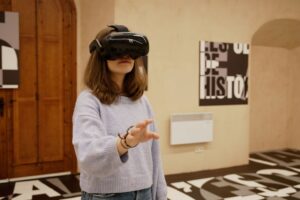
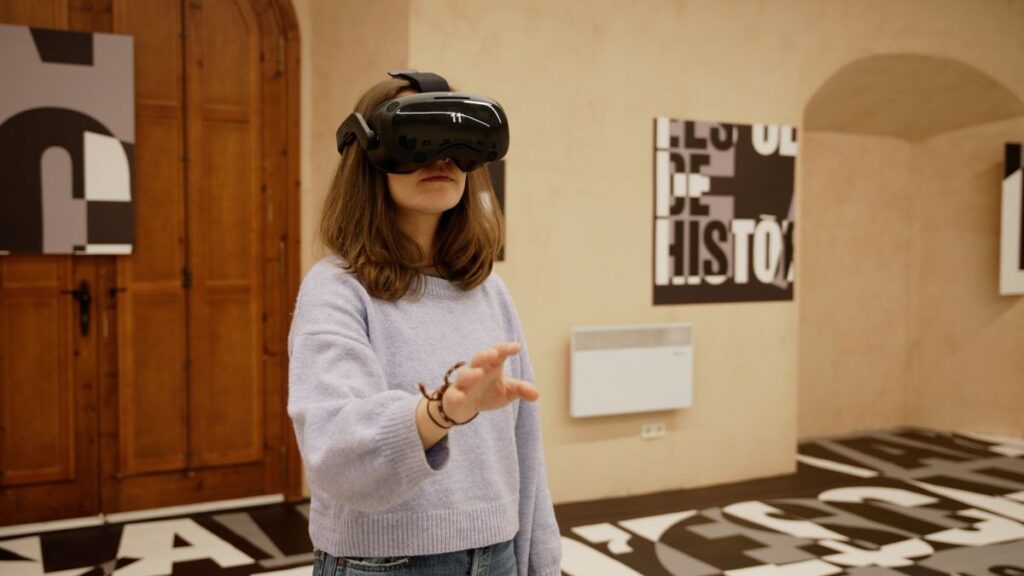
- Researchers from the Centre for Image and Multimedia Technology of the UPC (CITM) and from the DiCode research group (Digital Culture and Creative Technologies Research Group) of the Universitat Politècnica de Catalunya – BarcelonaTech (UPC) have worked on the project The Eyes of History, an initiative of the Catalan Agency for Cultural Heritage that offers an immersive view of Catalan cultural heritage. It is especially aimed at the first and second cycles of secondary education and was created to bring heritage into the classroom. Its goal is to bring the history and monuments of Catalonia closer in a vivid and innovative way, using tools such as virtual reality and new museographic narratives.
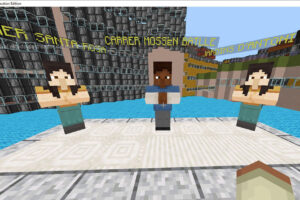
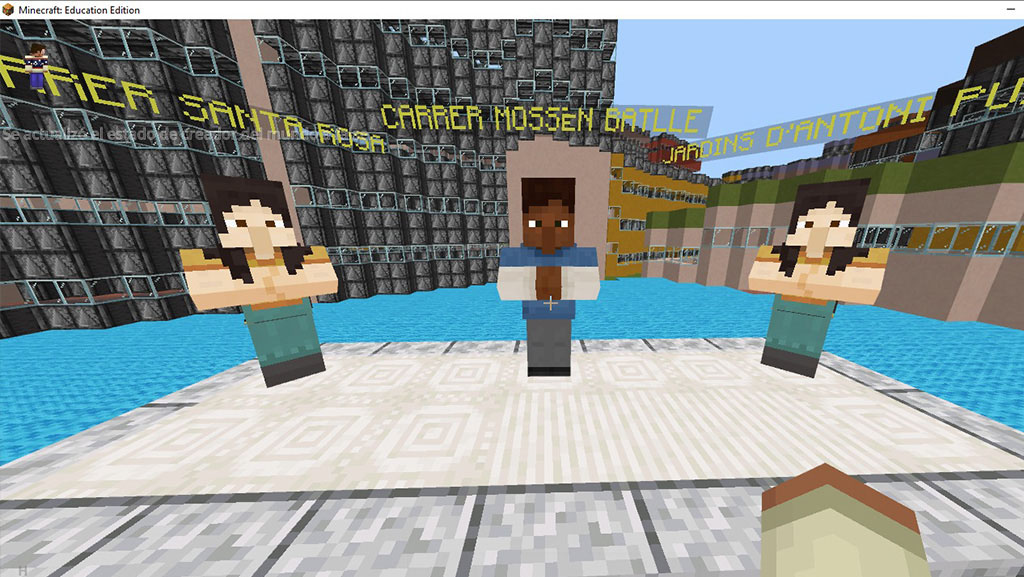
- City and Play is a social action project coordinated by researchers from the Centre for Image and Multimedia Technology (CITM) and the DiCode research group (Digital Culture and Creative Technologies Research Group) of the Universitat Politècnica de Catalunya – BarcelonaTech (UPC), the Universitat Oberta de Catalunya (UOC) and the University of Barcelona (UB), and funded by Barcelona City Council. The aim of the project is to promote civic competences and reflection on the urban environment among adolescents through the creation of an open framework that uses methodologies based on play, co-creation and storytelling.