

TherGel: Thermosensitive hydrogels to recover drinking water from saline water
June 29, 2023
SUST(AI)N: Smart building based on AI processing
July 7, 202303/07/2023
The repeated application of copper-based pesticides is the main source of contamination of this metal in agricultural land. The latest European Union regulations on the use of copper in agriculture (2018/1981 of 13 December 2018) highlighted the need to reduce its use and seek alternatives to copper as a plant health product, especially in intensive horticultural crops in which dependence on copper is high.
The microÚs project, in which the Agricultural Machinery Unit (UMA) at the Universitat Politècnica de Catalunya - BarcelonaTech (UPC) participates, is designed to demonstrate the use of a certain formulation of copper-based microcapsules to increase the retention of this metal in leaves in intensive production of horticultural crops such as onion, lettuce and tomato. This enables a reduction in the use of the product and an improvement in the sustainability of the process.
The aims of the microÚs project are:
- Demonstrate that the use of the formulation of microcapsules with copper increases deposition on leaves in horticultural crops (lettuce, onion and tomato) and therefore the amount that is applied can be reduced.
- Validate greater persistence of copper in the leaf under different washing conditions.
- Demonstrate the biological efficacy of the microencapsulated copper product against fungal diseases such as mildew.
- Check that the plant health residues derived from the use of the copper microcapsule formulation are lower in the foods that are produced.
- Report to the various actors in the agricultural sector the benefits of using a formulation of copper microcapsules compared to a conventional product.
As part of the project, demonstration actions are planned to quantify the increase in the efficiency and efficacy of these applications. The aim in both cases is to show that the same levels of control against pests and diseases can be achieved with a lower quantity of copper, with the resulting economic benefits (for farmers, as they can purchase lower quantities of the fungicide product) and environmental benefits (activity with tractors and the amount of fuel used is lower, which decreases the carbon footprint).
Budget and funding
The microÚs project has a total budget of €48,087.07 and is jointly funded by the European Union (European Agricultural Fund for Rural Development). It receives funding from the Department of Climate Action, Food and Rural Agenda, through operation 01.02.01 of Technology Transfer of the Rural Development Programme for Catalonia 2014-2022. MicroÚs has the support of ADV Baix Llobregat, ADV Horta Llevant, Federación Selmar and the Parque Agrario de El Baix Llobregat. The project execution period is from August 2022 to June 2024.



Activity financed through Operation 01.02.01 for Technology Transfer of the Rural Development Programme of Catalonia 2014-2022.
Related Projects
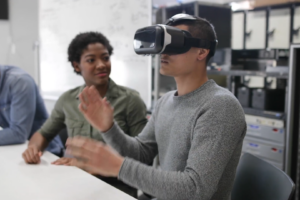
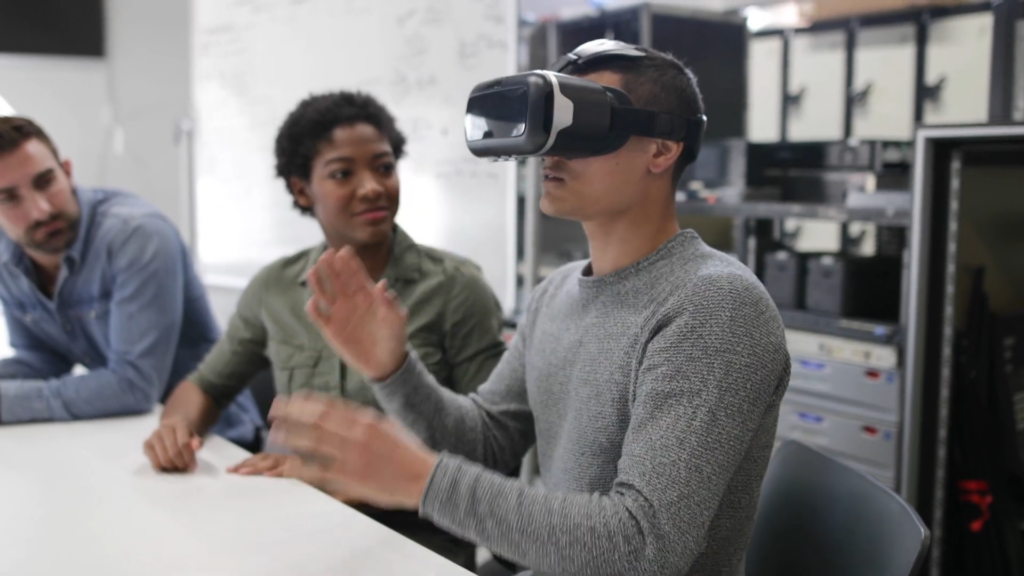
- The Visualisation, Virtual Reality and Graphic Interaction Research Group (ViRVIG) at the Universitat Politècnica de Catalunya - BarcelonaTech (UPC) has participated in the XR4ED project, an initiative that connects the educational technology (EdTech) and Extended Reality (XR) sectors, with the aim of transforming learning and training across Europe.
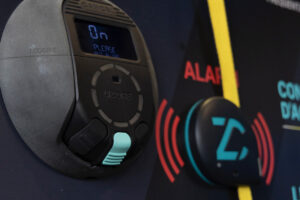
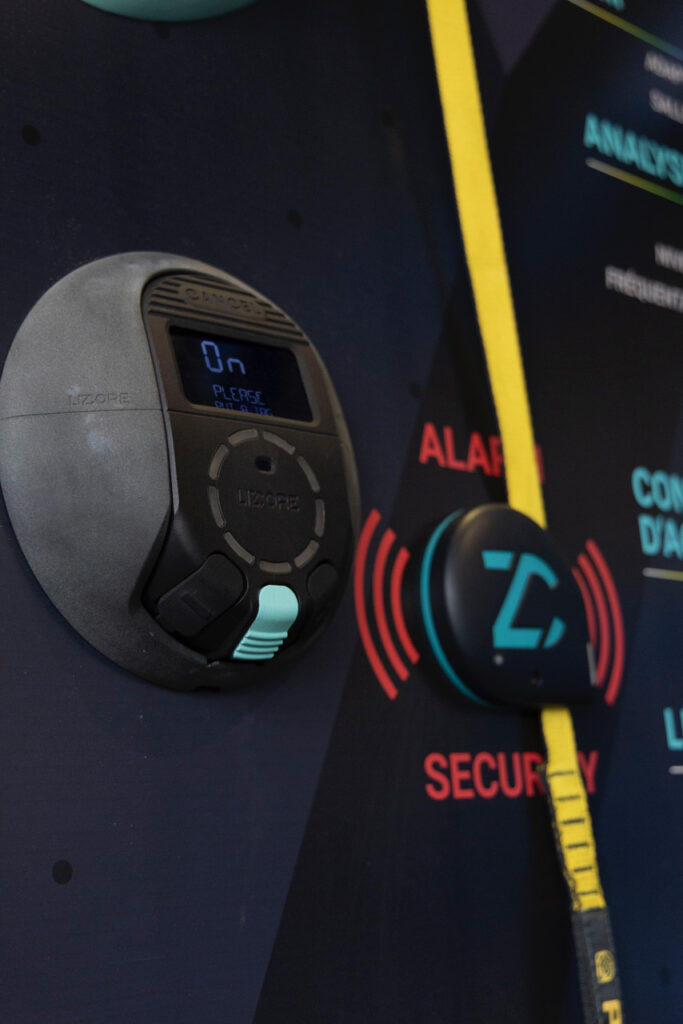
- The inLab FIB at the UPC has collaborated with Lizcore® for the development of a proof of concept based on artificial intelligence to improve safety in climbing with autobelay devices. The system allows the automatic and accurate detection of risk situations before starting a route.
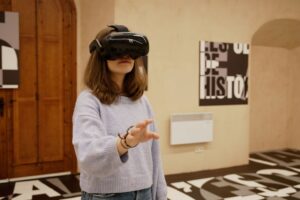
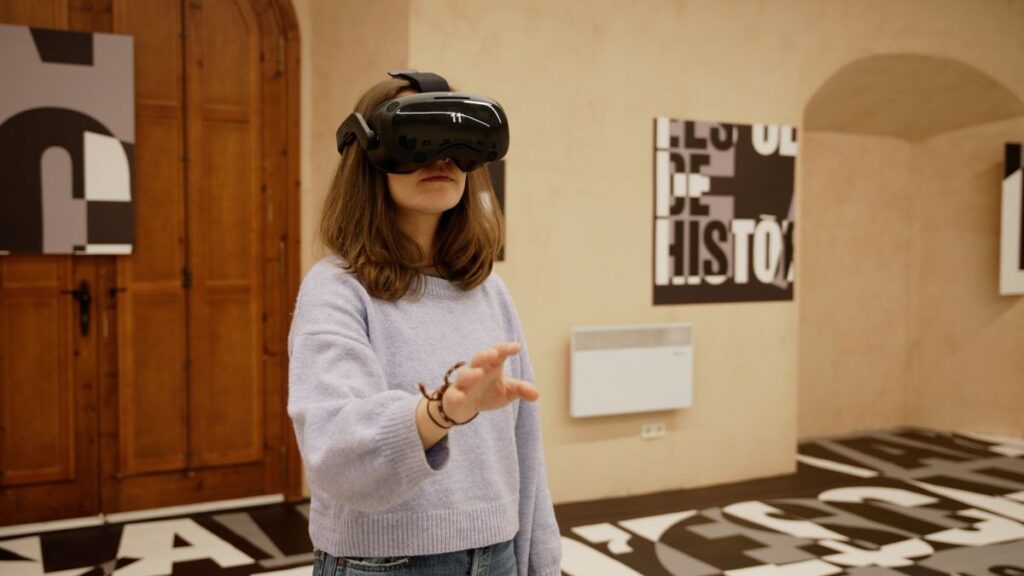
- Researchers from the Centre for Image and Multimedia Technology of the UPC (CITM) and from the DiCode research group (Digital Culture and Creative Technologies Research Group) of the Universitat Politècnica de Catalunya – BarcelonaTech (UPC) have worked on the project The Eyes of History, an initiative of the Catalan Agency for Cultural Heritage that offers an immersive view of Catalan cultural heritage. It is especially aimed at the first and second cycles of secondary education and was created to bring heritage into the classroom. Its goal is to bring the history and monuments of Catalonia closer in a vivid and innovative way, using tools such as virtual reality and new museographic narratives.
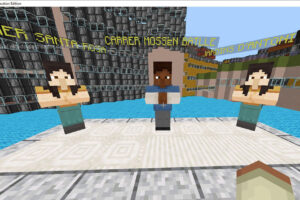
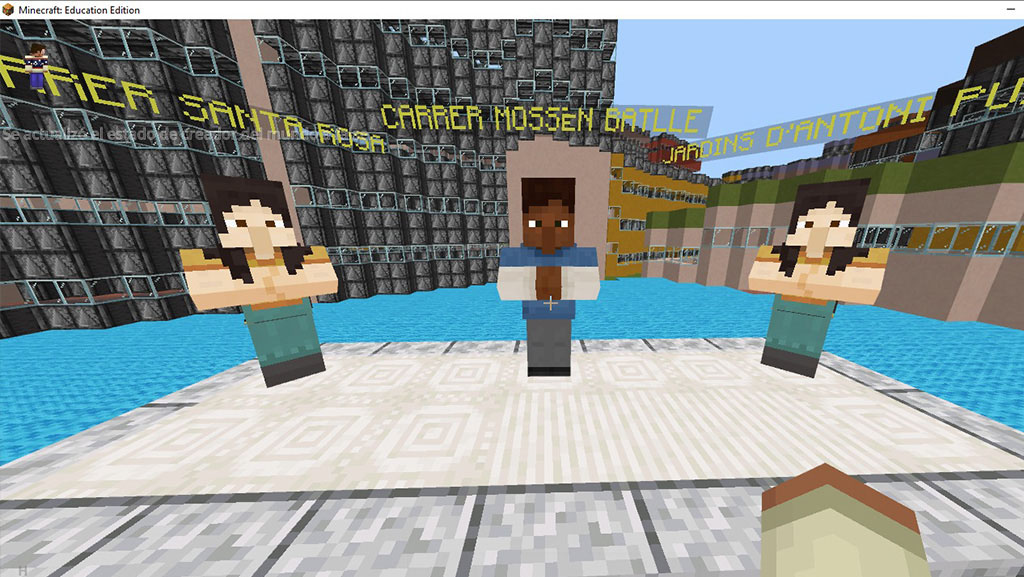
- City and Play is a social action project coordinated by researchers from the Centre for Image and Multimedia Technology (CITM) and the DiCode research group (Digital Culture and Creative Technologies Research Group) of the Universitat Politècnica de Catalunya – BarcelonaTech (UPC), the Universitat Oberta de Catalunya (UOC) and the University of Barcelona (UB), and funded by Barcelona City Council. The aim of the project is to promote civic competences and reflection on the urban environment among adolescents through the creation of an open framework that uses methodologies based on play, co-creation and storytelling.