


REDUCTION IN THE USE OF RESOURCES AND ENVIRONMENTAL PROTECTION
Water treatment: purification and reuse
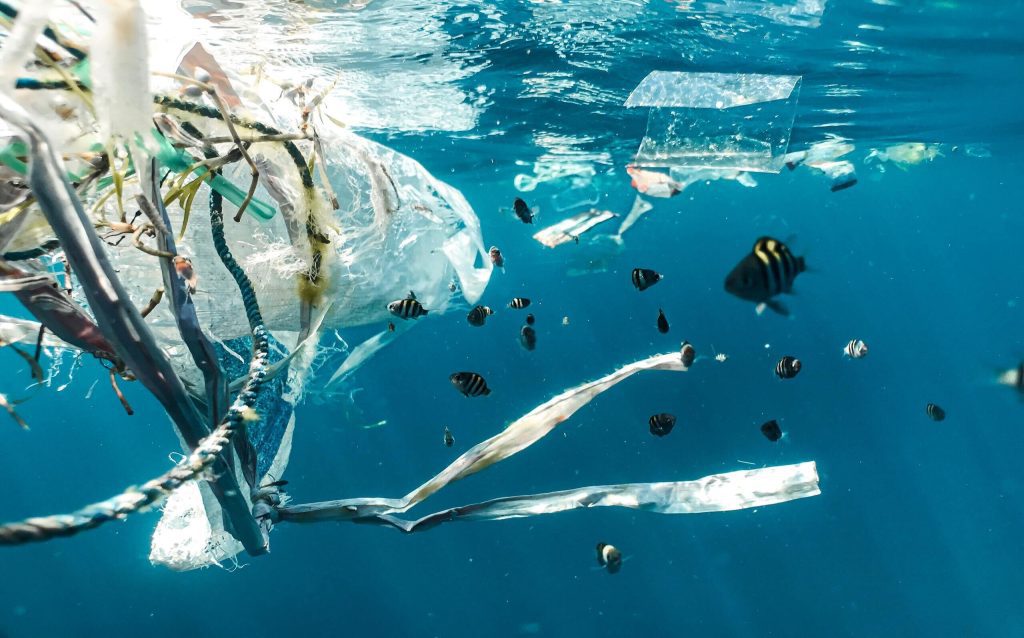
- Biotechnologies for the recovery of water and other resources.
- Development of tools for support in the implementation and management of wastewater reuse.
- Recovery of ammonium from wastewater and valorisation for agricultural use.
- Restoration of water resources with purified water (artificial aquifer recharge).
- Green synthesis of metal nanoparticles based on acid mine water and extracts from agri-food waste.
- Production of biostimulants from cyanobacteria and wastewater.
Emissions and pollutants
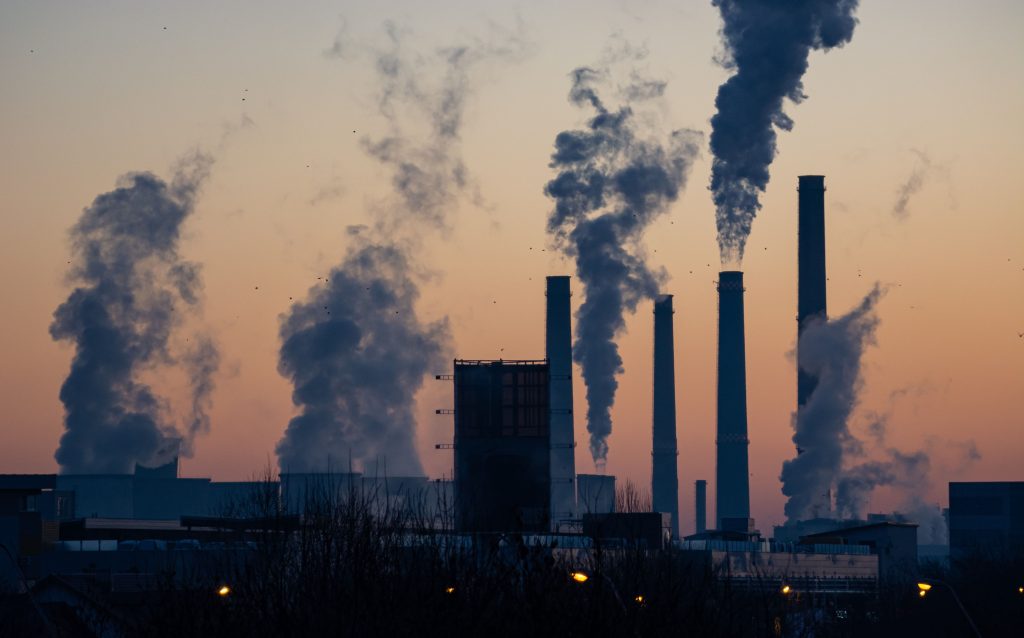
- Zero Ship Emissions.
- Selective absorption of SOx and NOx from combustion gases.
- Advanced biological technologies to eliminate gaseous pollutants.
- Biovalorisation of CO2 for sustainable production of biomethane.
- Pollutant detection systems through image processing and sensors.
- Catalysts to eliminate and transform CO2 into ethanol.
- Elimination and mitigation of pollution caused by the use of pesticides.
RECYCLING AND WASTE VALORISATION



Textile
- Treatment and reuse of dye wastewater.
- New spun fabrics from clothes waste and textile scraps.
- Automatic system for classifying textile fibre for recycling.
Construction
- Development of sustainable concrete from incineration waste.
- Valorisation of paper industry waste for the manufacture of asphalts and concretes.
- New materials for infrastructure from MARPOL waste.
Food
- Solutions to improve the carbon, nitrogen and phosphorus cycle in the agri-food industry and cut emissions.
- Sustainable treatment of wastewater and food waste.
- Design of sustainable compounds manufactured from the valorisation of agri-food waste.
- Integrated, sustainable management of industrial waste from cork.


Plastics and polymers
- Recycling and revalorisation of opaque PET bottles into high added-value materials.
- Transformation of cellulose materials into advanced, environmentally friendly bioproducts.
- Obtaining biofilms with barrier properties from renewable resources.
Metals
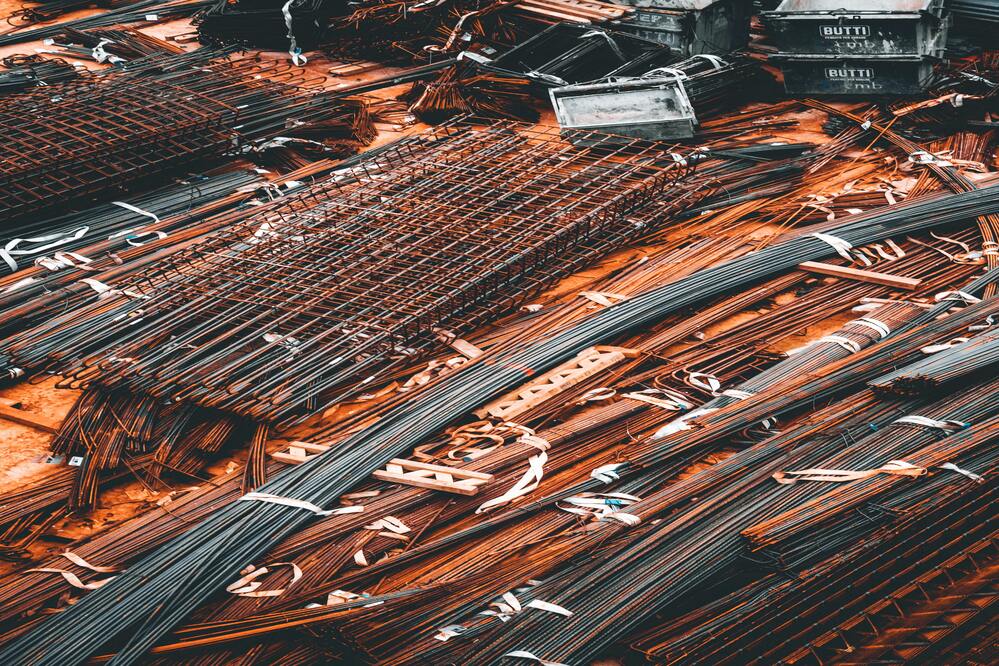
- Smart bioprocesses to recover metals at the end of the life cycle of mobile and electronic equipment.
- Valorisation of titanium sheet waste for the production of metal powder.
- Circular processing of salt mine water to recover minerals and metals.
- Study of processes of attenuation of metal and inorganic compounds through mineral nanoparticles.
Batteries and vehicles
- Models of use and management of second-life batteries.
- Hybrid energy storage systems for renewable energy production plants.
- Improvement in the efficiency and useful life of PEM fuel cells.
- High-performance modular batteries for urban sustainable electric mobility services.
ECODESIGN


Product
- Ecodesign of products on a large scale and internal parts for vehicles.
- Biodegradable microencapsulation techniques for fragrancies.
- Development of cellulose microdevices of low environmental impact for immediate biodiagnosis.
- New products for the construction and automation industries based on biomaterials.
Industrial process
- Advanced, reconfigurable manufacturing processes that can be adapted to consumer preferences.
- Methods and tools for the implementation of circular economy models in the process industry.
- Recovery and valorisation of byproducts of industrial processes.
Urbanism (territory and infrastructure)
- Greenhouses integrated into rooftop terraces: symbiosis of energy, water and CO2 emissions with the building.
- Biosustainable solutions to improve the acoustic properties and fire-resistance of building cladding.
- Recovery and valorisation of urban digestates.
RELATED PROJECTS
- The Food Safety and Control Research Center (CRESCA) at the Universitat Politècnica de Catalunya – BarcelonaTech (UPC), in collaboration with the Aquamaris Foundation, has developed a system that allows irrigation using seawater without the need for filtration, desalination, or chemical treatment, both in agriculture and gardening. The new system enables the adaptation of ornamental garden plants and leafy vegetable crops, eliminating the need for fresh water entirely.
- The Environmental Engineering (ENMA) research group leads the WhATTer project with the aim of developing an innovative and sustainable solution for the treatment of textile wastewater through an electrochemical/alkaline electrolysis system that allows for simultaneous hydrogen production. The project is carried out in collaboration with the Textile Technology (TECTEX) and Polymeric Materials and Textile Chemistry (POLQUITEX) research groups at the facilities of the Institute of Textile Research and Industrial Cooperation of Terrassa (INTEXTER) at the Universitat Politècnica de Catalunya - BarcelonaTech (UPC).
- The Innovation in Materials and Molecular Engineering – Biomaterials for Regenerative Therapies (IMEM-BRT) research group at the Universitat Politècnica de Catalunya – BarcelonaTech (UPC), in collaboration with the Institute of Chemical Research of Catalonia (ICIQ), has developed polymer resins derived from plant-based materials to reduce the dependence of 3D printing on fossil fuel-based resins.
- The Tecnologia Orientada a la Comunitat (TOC) research group at UPC, in collaboration with the Centre d'Estudis Porcins de Catalunya, leads the AEROFER project, which aims to demonstrate the viability of liquid fertilisers derived from pig manure in aeroponic cultivation, with the intention of later extrapolating it to conventional crops, thereby closing the loop from waste to resource, with a positive environmental impact on the region.


