

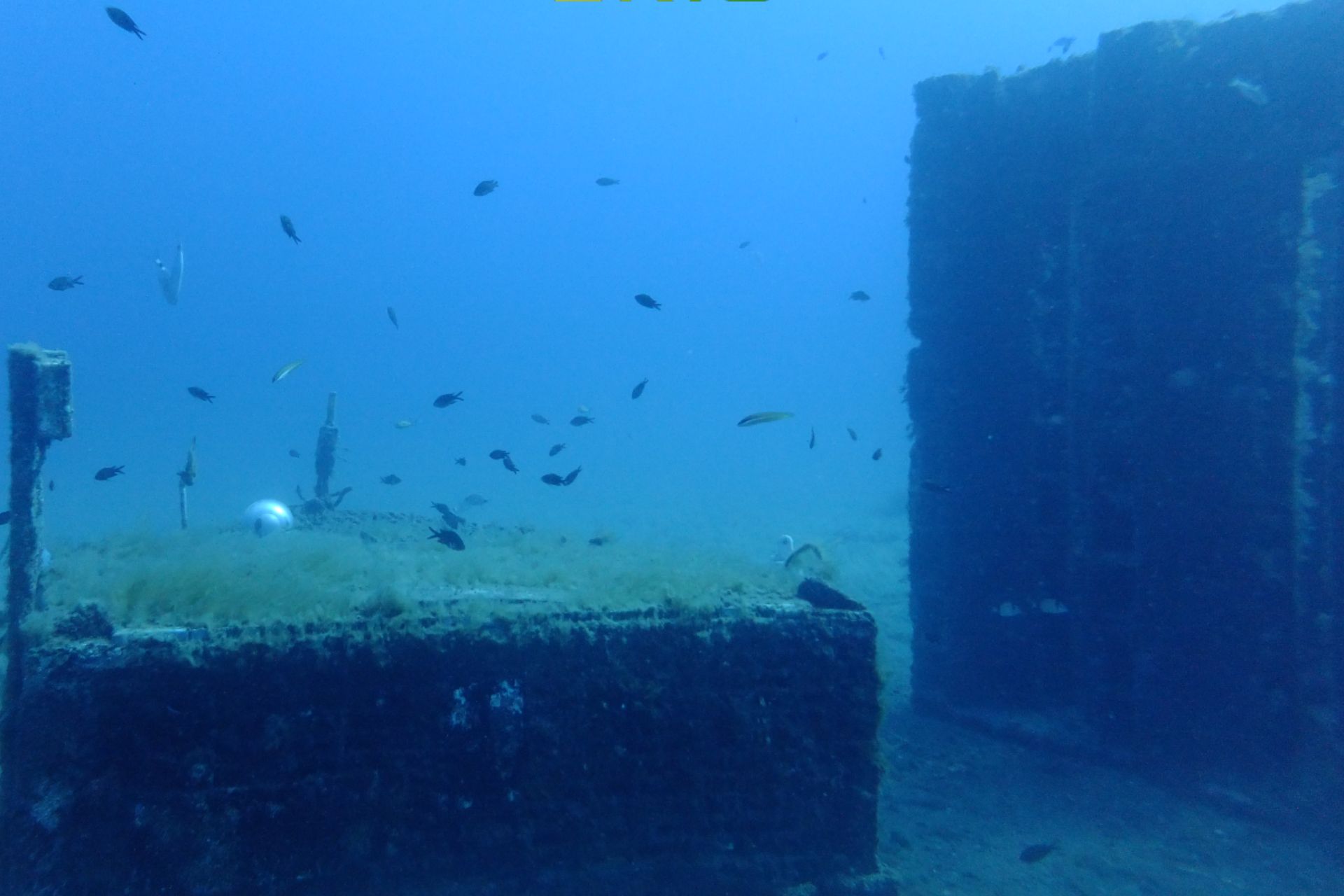
SLAGREEF: Solutions for the 3D manufacture of marine biotopes through steel slag recycling
December 20, 2022
Bio2Coat: A functional, edible coating to prevent the deterioration of grapes
December 21, 202221/12/2022
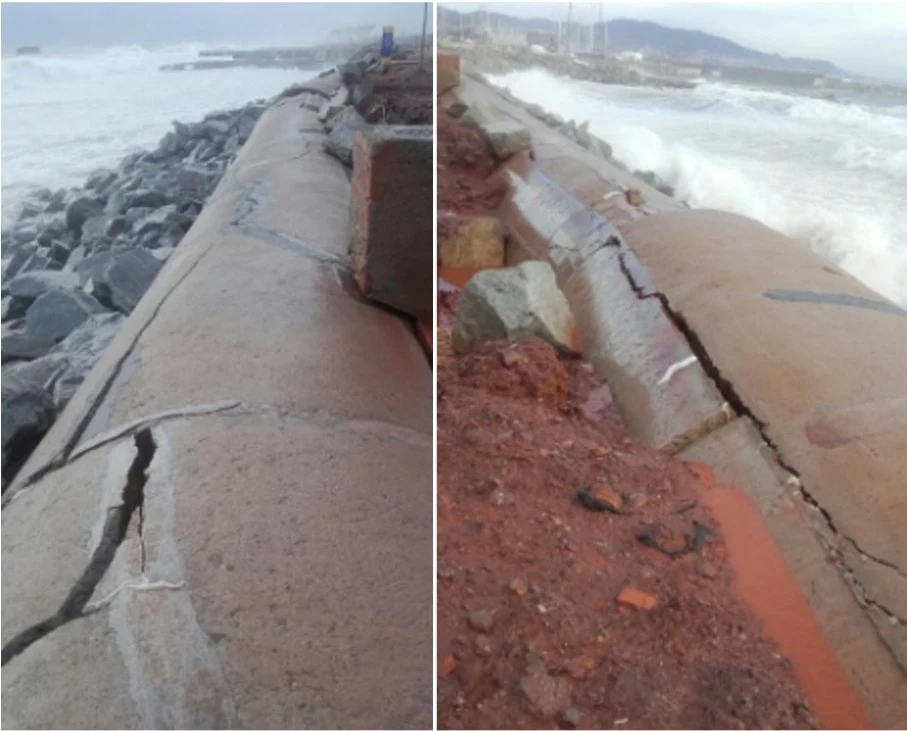
The coastline tends to be highly populated. Consequently, many urban zones are now exposed to risks associated with extreme maritime episodes. This is the case of the French-Spanish Basque coast and the Catalan coast. It is increasingly common for these areas to be subjected to major storms. Storm exposure and its associated risks tend to be greater under the effects of global warming, due mainly to the increase in average sea level and to extreme weather events. Consequently, the management of coastal risk is a major challenge for coasts today and is associated with considerable economic and security challenges.
The aim of the MARLIT (Means of Assessing and Mitigating Local Coastal Risks due to Storm Impacts) project is to improve the knowledge and development of tools to understand the impacts of current and future storms on the coast (damage, flooding and population security), to support the management of coastal risk by government bodies. Participants in this project include the Maritime Engineering Laboratory (LIM) of the Universitat Politècnica de Catalunya - BarcelonaTech (UPC).
Results and impact
As part of the project, new monitoring systems have been introduced, such as autonomous topographic observations and new videometric tools. In addition, latest generation modelling of wave propagation has been carried out to monitor the impact of storms in order to mitigate their effects on the coast.
As a result of MARLIT, past storm events can be capitalised. In this way, support can be given to the protection, monitoring and prevention actions that are derived from public policies. In addition, the future evolution of local coastal risks resulting from climate change can be assessed.
Coordinated by the Basque Country’s AZTI technology centre, the project was designed to improve the mechanisms for predicting the risk of storms on the French-Spanish coast and on the Catalan coast. The cross-border nature of the project is a clear added value to achieve the objectives. It enabled territories with similar problems – some in the same coastal space – and experts with complementary knowledge to come together.
The project received the European Commission’s Atlantic Project award, in the category of Oceans Healthy and Resilient Coast, during the Ninth Annual Conference of Stakeholders, held in December 2022 in Cádiz.
Budget and funding
MARLIT has been 65% cofunded by the European Regional Development Fund (ERDF), through the Interreg V-A Spain-France-Andorra programme (POCTEFA 2014-2020), with a total budget of €796,210.23. Participants include the Basque Government Directorate for Emergency Response and Meteorology (DAEM), the Cartographic and Geological Institute of Catalonia (ICGC), SUEZ EAU FRANCE Rivages Pro Tech, the Université de Pau et des Pays de Adur (UPPA) and the Communauté de Agglomération Pays Basque (APB). The project began in January 2020 and ended in May 2022.

Technology
Topic
You want to know more?
Related Projects
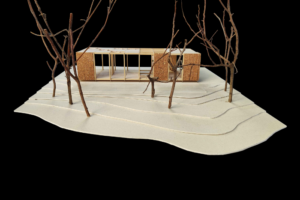
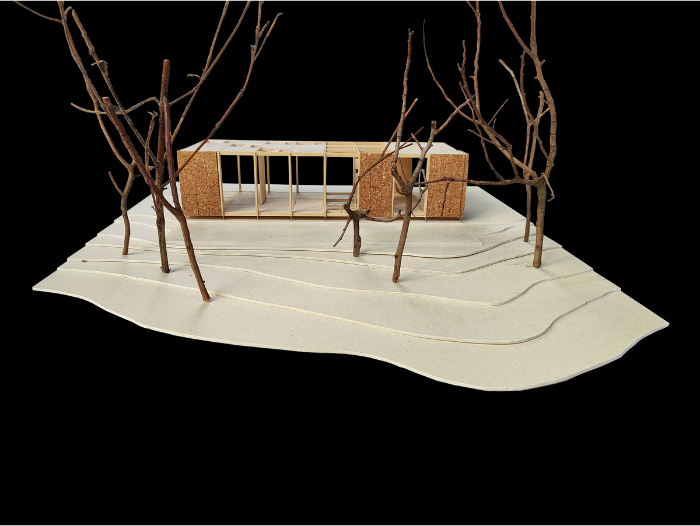
- The Casa Bosc project explores a lightweight, modular and prefabricated timber construction system designed to reduce the environmental impact of housing while making it easier to build and adapt to different contexts. The project has been developed by researchers from the Architectural Rehabilitation and Restoration Research Group (REARQ) at the Universitat Politècnica de Catalunya - BarcelonaTech (UPC) and the company ÀGORA.
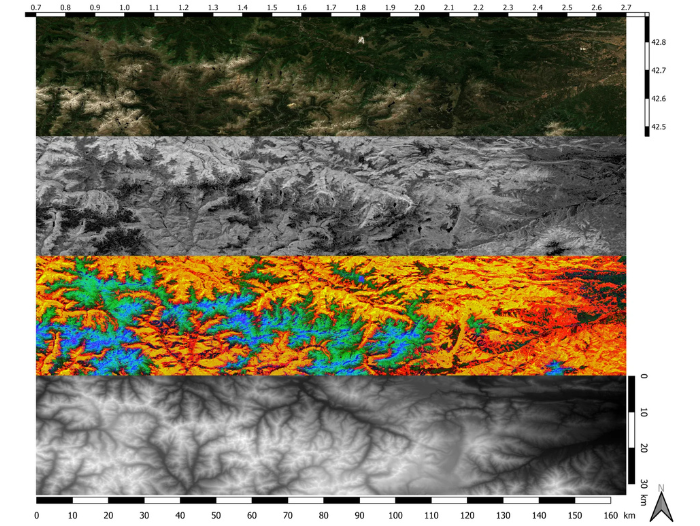
- Un equip de recerca de la UPC, integrat pel CommSensLab-UPC i el Remote Sensing Lab (RSLAB) de la Universitat Politècnica de Catalunya - BarcelonaTech (UPC), juntament amb l’Institut d’Estudis Espacials de Catalunya (IEEC), ha participat en el projecte AI4EO, amb l’objectiu d’impulsar solucions i posar en pràctica eines d’intel·ligència artificial aplicades a dades d’observació de la Terra en diversos casos d’ús sobre el territori català.
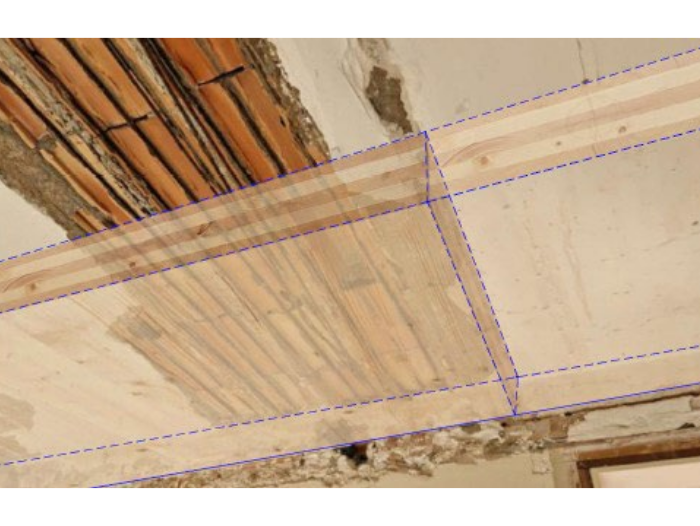
- Researchers from the Architecture, Energy and Environment research group (AiEM) and the Design and Analysis of Architectural Structures research group of the Department of Architectural Technology (DiCEA), which are part of the Centre for Research and Services for the Local Administration (CRAL) at the Universitat Politècnica de Catalunya - BarcelonaTech (UPC), have developed an innovative system for the structural strengthening of ceramic floor slabs using stress-activated timber, designed to intervene in occupied buildings in a fast, sustainable and replicable manner.
- A team of researchers led by the FLUMEN Research Institute at the Universitat Politècnica de Catalunya - BarcelonaTech (UPC) has participated in the European ICARIA project. Its aim is to develop tools and risk maps that enable public authorities and infrastructure managers to anticipate the impacts of extreme climate events and make adaptation decisions on a more robust technical basis.