

BITSDRAIN: Porous Bituminous Pavements for Sustainable Urban Drainage
July 8, 2025
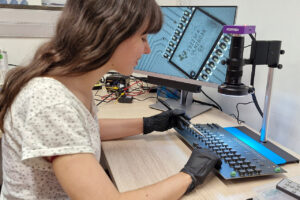
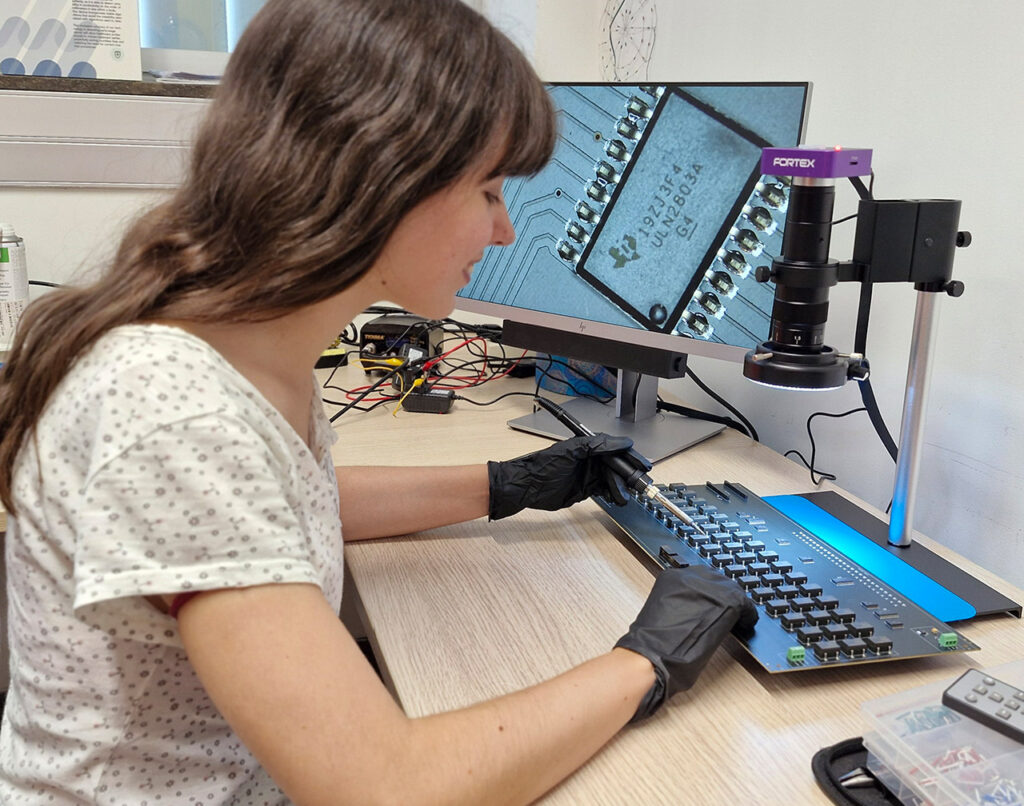
Race Walk Chip: a chip developed by the UPC to transform race walking
July 14, 202510/07/2025
The organisation CARBOPESCA, together with the research group Development Center of Remote Acquisition and Information Processing Systems (SARTI) and the Efficient and Robust Integrated Circuits and Systems (EFRICS) group, at the Universitat Politècnica de Catalunya - BarcelonaTech (UPC), is leading the iPROPEZESPADA project, an initiative aimed at optimising the capture and management of swordfish fishing using artificial intelligence.
Surface longlining is one of the most commonly used fishing techniques to catch swordfish in the Mediterranean. It is a selective fishing method that involves a very long line extended close to the sea surface, from which multiple hooks hang at different depths, allowing the capture of fish that inhabit the upper layers of water, such as swordfish. This technique enables efficient and sustainable fishing, as it reduces bycatch of other species and optimises the performance of the fishing fleet.
In this context, as part of the iPROPEZESPADA project, an innovative biometric measurement system has been developed combining a video camera and a digital scale connected to computer vision software. This tool ensures compliance with current fishing regulations through automatic species identification, as well as estimation of size and weight.
The system will allow precise recording of the biometric characteristics of fish directly onboard the vessel, optimising catch management. This automation will not only save time and reduce operational costs (as these measurements are currently done manually), but will also facilitate more accurate and efficient control, contributing to more sustainable exploitation of marine resources. In this way, the project has great potential to transform the fishing sector, increasing profitability and minimising environmental impact.
The biometric measurement technology will impact not only onboard operations but will also help improve scientific data collection on the species. With more accurate information on the size and weight of captured specimens, quota planning can be enhanced and a more balanced exploitation of the resource encouraged. Furthermore, the digitalisation of these data will facilitate transparency in catch traceability, benefiting both fishermen and consumers.
Budget and Funding
The iPROPEZESPADA project has a budget of € 89,600, co-funded by the Spanish programme of the European Maritime, Fisheries and Aquaculture Fund (EMFAF) 2021-2027, the Ministry of Agriculture, Fisheries and Food, and the Andalusian Regional Government. The project is part of the EDLP of GALPA Almería a Levante – Specific Objective 3.1: "Contribute to enabling a sustainable blue economy in coastal, island and inland areas, and to promote the development of fishing and aquaculture communities," under the aid line: Applications of Local Development Strategies Led by Communities (operation 3.1.02.14).


You want to know more?
Related Projects
- A team from the Matrix Analysis and Discrete Potential Theory (MAPTHE) research group at the Universitat Politècnica de Catalunya - BarcelonaTech (UPC), and the Department of Mathematics at CUNEF Universidad in Madrid, have participated in the development of MARIA, a prototype of a portable, flexible and radiation-free device designed to improve the early detection of breast cancer. The device can identify tumours through electrical conductivity, with the aim of enabling its future use in primary care settings.
- The Research Group in Smart and Sustainable Resources and Industries (RIIS) at the Universitat Politècnica de Catalunya - BarcelonaTech (UPC) is developing the ZeroCarbonPave project, which aims to assess the feasibility of incorporating biochar as filler and/or as the fine fraction of granular material in bituminous mixtures, with the objective of reducing the carbon footprint associated with the manufacture and laying of road pavements.
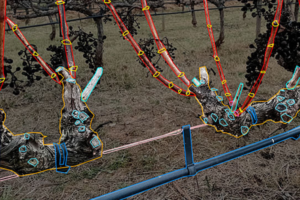
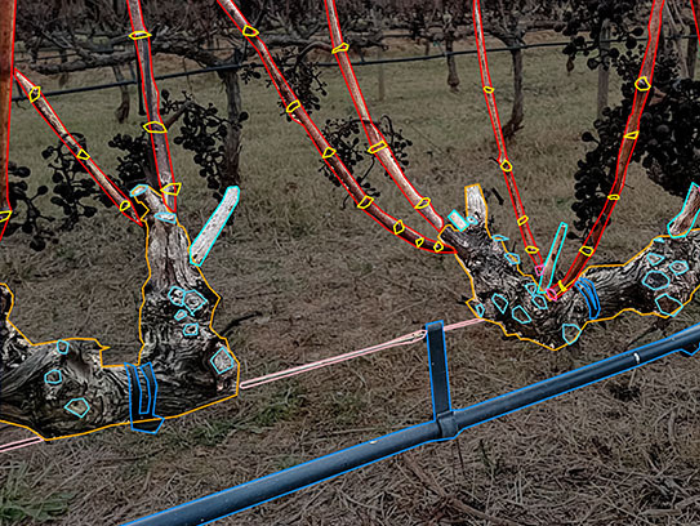
- The Center for Industrial Equipment Design (CDEI-UPC) at the Universitat Politècnica de Catalunya - BarcelonaTech (UPC) is participating in a cross-border project aimed at promoting the use of advanced digital technologies in viticulture in regions on both sides of the Pyrenees. The initiative seeks to improve specialist training, technical advice and decision-making in vineyard management.
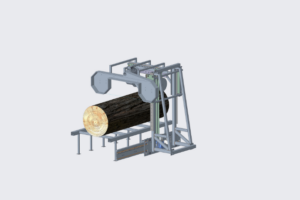
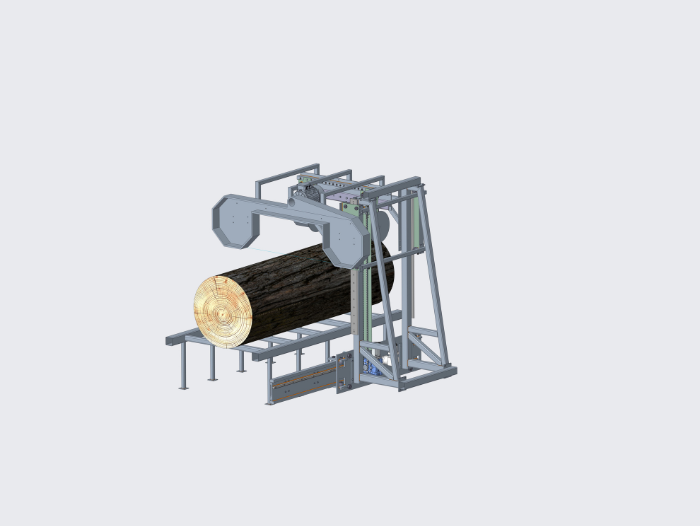
- The Centre for Industrial Equipment Design (CDEI) at the Universitat Politècnica de Catalunya - BarcelonaTech (UPC), together with the IRI, Institut de Robòtica i Informàtica Industrial (CSIC-UPC), is participating in the development of a pre-commercial prototype of an automatic portable sawmill that integrates computer vision, artificial intelligence and computer numerical control to improve productivity, efficiency and safety in local wood processing for the company Envall Coop. S.L.