


i-MovE: Interoperability for an efficient, safe and equitable mobility
September 8, 2025
A study to monitor air quality in the municipalities of la Llagosta, Mollet del Vallès and Santa Perpètua de Mogoda
September 15, 202508/09/2025
Researchers from the Concrete Sustainability and Smart Structures (C3S) research group, part of the Construction Engineering (EC) group at the Universitat Politècnica de Catalunya - BarcelonaTech (UPC), are leading the CIRC-BOOST project, which aims to promote sustainability, industrial competitiveness and greater resource efficiency in the European construction sector.
The CIRC-BOOST project focuses on testing and scaling up circular solutions for buildings and the construction sector through five pilot projects deployed in Barcelona (Spain), Paris (France), Belgrade (Serbia), Vesterålen (Norway) and Prague (Czech Republic). These pilots will demonstrate, on a large scale, innovative and integrated solutions for the dismantling, processing, management and valorisation of construction waste, transforming it into new products.
The pilot project in Spain: laMercedes
The CIRC-BOOST pilot project in this area will be carried out in laMercedes space, between the neighbourhoods of Sant Andreu del Palomar and Bon Pastor, in Barcelona. There, the C3S research group will use BIM-based digital twins to generate databases of materials and other construction elements, as well as techniques for soil decontamination and reuse. Selective demolition will also be carried out using sustainability criteria, in order to make optimal use of recovered materials. During the construction phase, low-cost wireless sensors and NFC (Near Field Communication) tags will be used to ensure the traceability of recovered materials and elements. In addition, urban furniture elements will be manufactured using 3D printing with recycled materials, minimising cement consumption.
This pilot is expected to achieve:
-
Over 90% decontamination of soil contaminated with hydrocarbons and heavy metals.
-
An increase of more than 40% in the recovery of structural elements for reuse.
-
Successful implementation of material traceability through wireless sensors.
Pilots in other countries
In France, a digital and physical platform will be created to optimise construction waste flows at the infrastructure works of the Paris 2024 Olympic Games and the subsequent Paralympic Games. This same platform will also be used to manage and reuse waste generated by the Grand Paris Express works, currently the largest infrastructure under construction in Europe.
In Belgrade, a pilot housing unit will be built using recycled steel, concrete and rubber.
In Vesterålen (Norway), materials from the selective demolition of two buildings and steel from fishing industry containers will be reused to construct the GaiaVesterålen container museum in the port of Sortland.
In Prague (Czech Republic), a residential building will be constructed on a former abandoned factory site, using exclusively reused and recycled materials.
Impact
Monitoring the circular solutions implemented in the pilot constructions will allow the collection of key data to assess their technological, environmental, economic and social effectiveness. This information will be integrated into an open database including tools and recommendations for future constructions, with the aim of encouraging business adoption of these technologies. In addition, the project will provide access to relevant building information —such as condition, material traceability and provenance, or energy performance— improving decision-making throughout the entire life cycle of projects.
CIRC-BOOST will contribute to the development of safer, more durable and energy-efficient buildings, delivering direct benefits to quality of life and the environment. At the same time, it will have a positive impact on the territory, promoting the creation of quality jobs and offering new training opportunities for sector professionals through planned educational activities.
Consortium, Budget and Funding
The project involves 27 partners from 8 European countries. The consortium brings together private sector actors, universities, public authorities and cluster organisations, with the aim of driving the adoption of integrated circular solutions in construction value chains.
The UPC spin-off Smart Engineering also takes part in the project, together with the Spanish companies Acciona Construcción and Control Demeter. Other partners come from France, Serbia, Norway, the Czech Republic, Italy, Germany and Greece.
Running for four years (July 2023 – June 2027), the project is funded by the Horizon Europe programme and has a budget of over € 9 million.
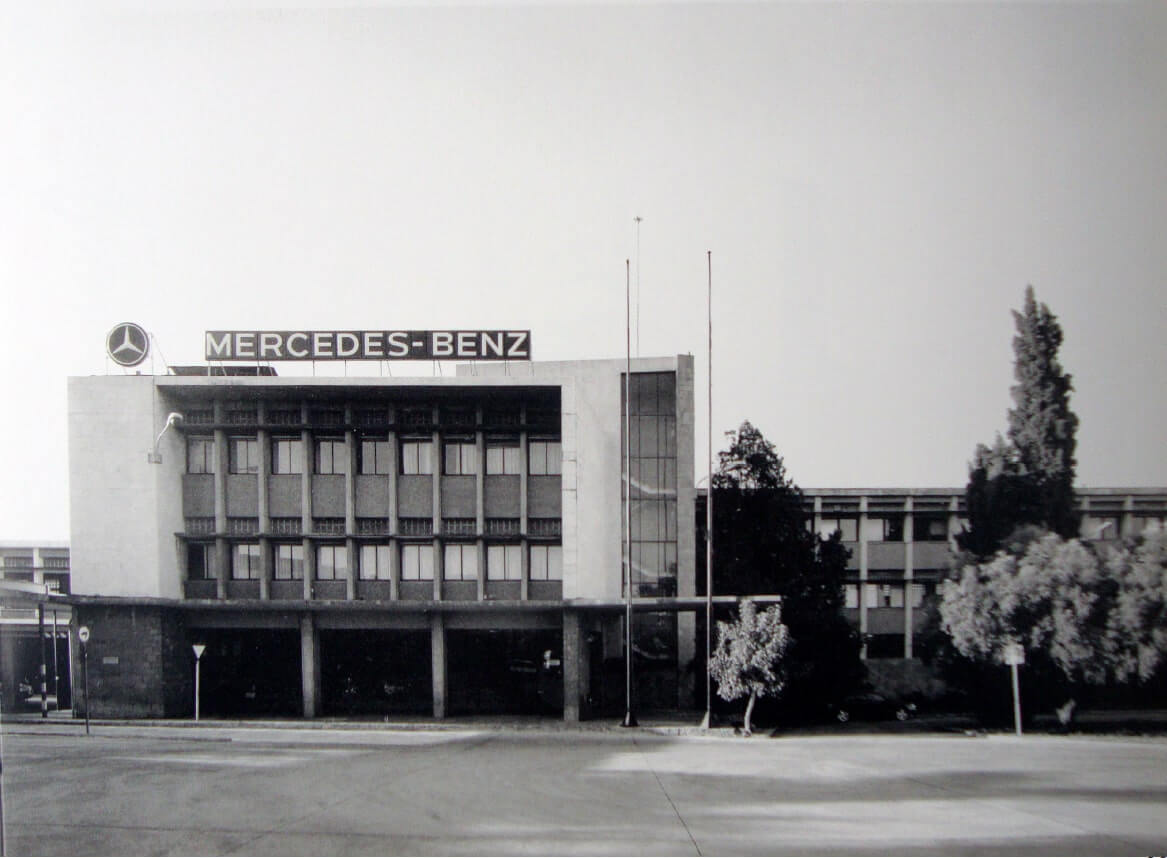

The Mercedes-Benz plant in Barcelona (left) and the proposal for the new eco-district (right). Source: Conren Tramway
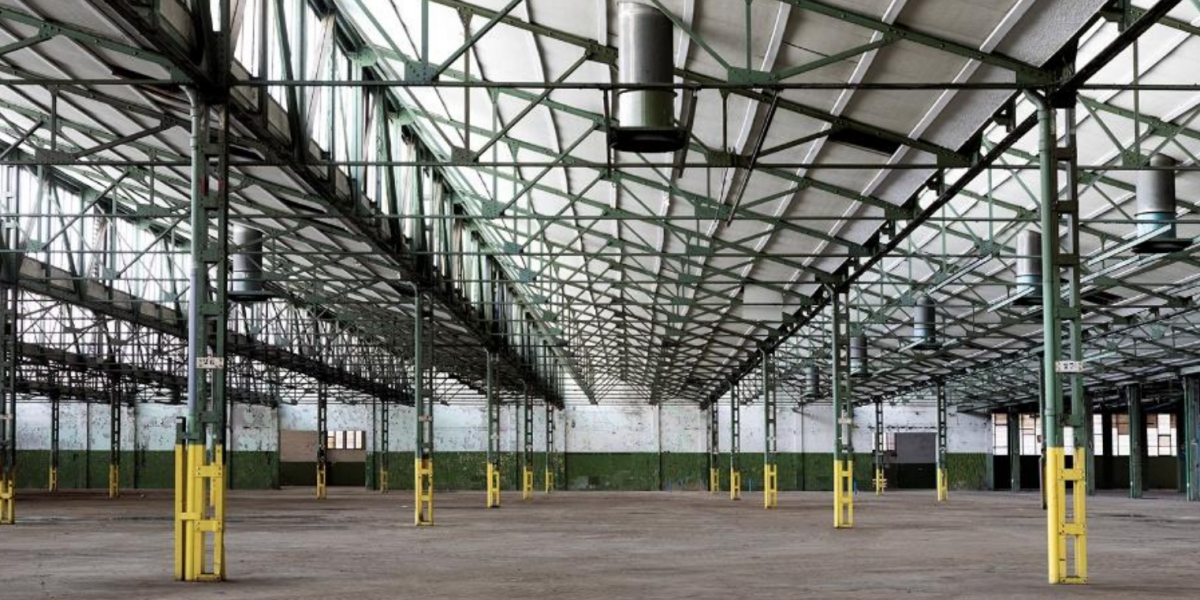
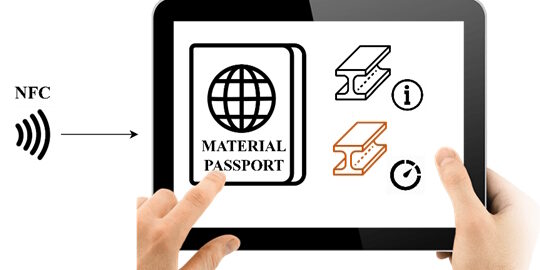
The traceability concept of the pilot in Barcelona. Source: UPC
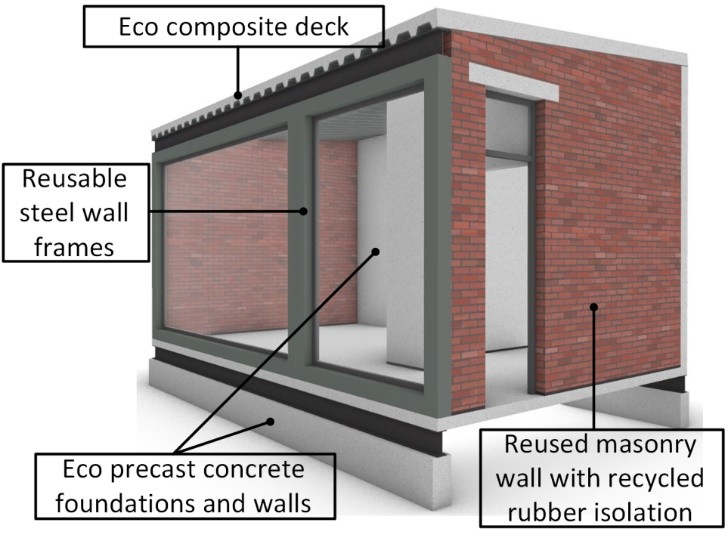
Demonstrator house within pilot 3 in Belgrade. Source: University of Belgrade

The GaiaVesterålen museum (pilot 4). Source: Lundhagem

Pilot 5 in Prague. Source: Skanska

Disclaimer:
Any dissemination of results reflects only the author's view, and the European Commission is not responsible for any use that may be made of the information it contains.
Technology
Sector
You want to know more?
Related Projects
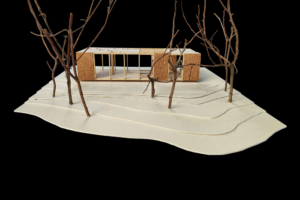
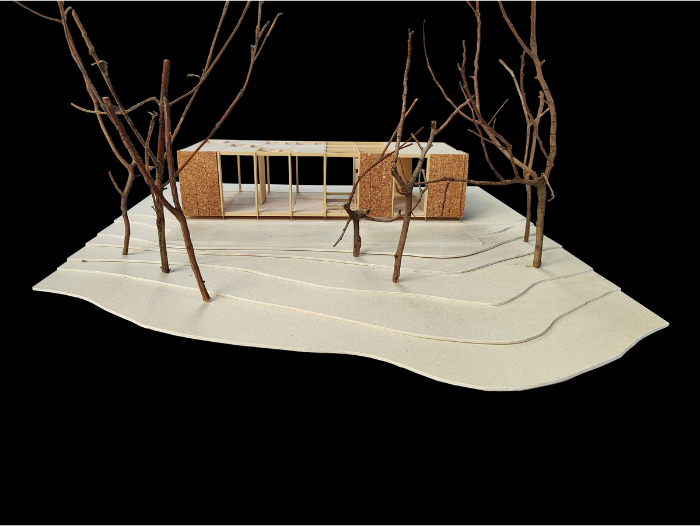
- The Casa Bosc project explores a lightweight, modular and prefabricated timber construction system designed to reduce the environmental impact of housing while making it easier to build and adapt to different contexts. The project has been developed by researchers from the Architectural Rehabilitation and Restoration Research Group (REARQ) at the Universitat Politècnica de Catalunya - BarcelonaTech (UPC) and the company ÀGORA.
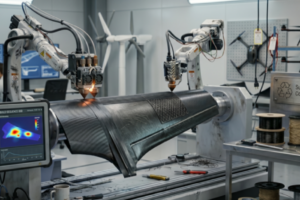
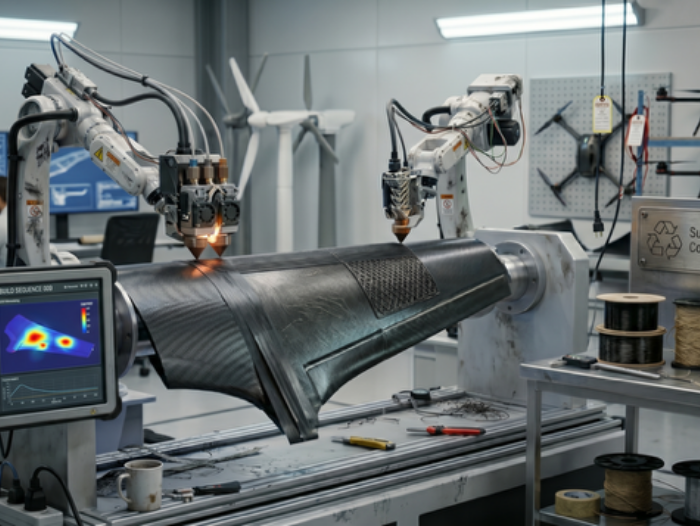
- The Control, Data and Artificial Intelligence (CoDAlab) research group at the Universitat Politècnica de Catalunya - BarcelonaTech (UPC) is taking part in the ATHENS project, which is developing recyclable thermoplastic composite materials with advanced real-time monitoring systems to improve the manufacture, safety and service life of lightweight structures.
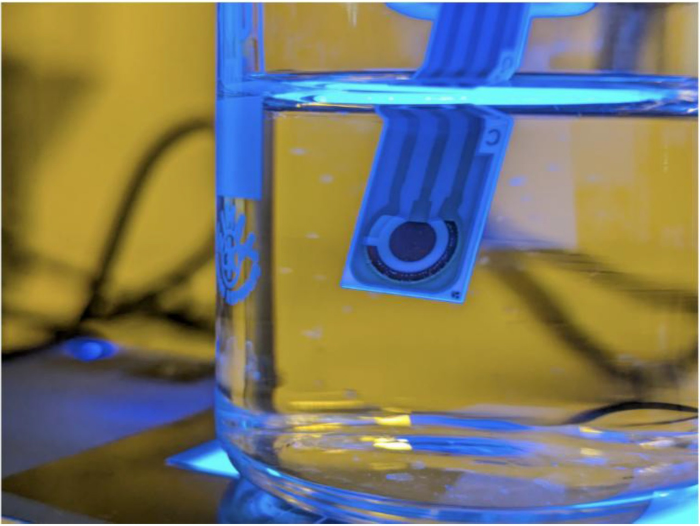
- The MICROTECH LAB - Microtechnology for the Industry research subgroup, part of the Centre for Advanced Technologies in Mechanics (CATMech) at the Universitat Politècnica de Catalunya - BarcelonaTech (UPC), is leading the technical development of a minimally invasive platform to monitor biomarkers and physiological indicators related to stress and emotional wellbeing.
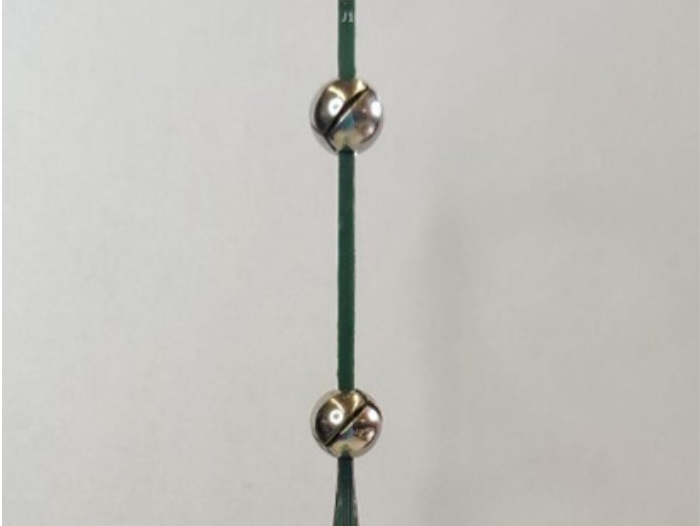
- A research team from the Universitat Politècnica de Catalunya - BarcelonaTech (UPC) has participated in the M3LEC project, coordinated by the Centro de Astrobiología (CAB), a joint centre of the Spanish National Research Council (CSIC) and the Instituto Nacional de Técnica Aeroespacial (INTA), with the Universidad de Sevilla (US) / Instituto de Microelectrónica de Sevilla (IMSE) also participating. M3LEC aimed to contribute to the characterisation of the Martian atmosphere and meteorology, and to investigate new instrumentation for future planetary exploration missions.