

TRIFFID: Autonomous Robotic Aid For Increasing First Responders Efficiency
September 22, 2025
INDUSAC: Conclusion of a Pioneering Model for Industry–Academia Collaboration
September 29, 202525/09/2025
The Hydrogeology Group (GHS) at the Universitat Politècnica de Catalunya - BarcelonaTech (UPC) is participating in the LIFE REMAR project to develop an innovative and sustainable solution for the reuse of treated wastewater through infiltration, with the aim of increasing the availability of freshwater resources and improving the state of ecosystems.
In the Baix Camp region, the Cambrils wastewater treatment plant (WWTP) in Tarragona lies above a shallow aquifer contaminated with nitrates. This WWTP treats around 4 hm³ of water annually, which is currently discharged into the sea via a submarine outfall. In response to the need to recover this valuable resource and improve water management in the area, the LIFE REMAR project proposes a nature-based solution to reuse the treated water, increase the availability of water resources, improve the condition of the aquifer, and contribute to the conservation of aquatic ecosystems.
The project involves recharging the Baix Camp aquifer with between 3 and 4 % of the water treated at the WWTP through managed aquifer recharge (MAR) technology, specifically a Soil-Aquifer Treatment (SAT) system with reactive barriers, to improve water quality. This system allows the removal of emerging contaminants, pathogens, antibiotic resistance genes, and microplastics, as well as reducing nitrates in the aquifer, among others.
As part of the project, reactive barriers have been installed at the bottom of two 400 m² infiltration basins, each designed to recharge up to 200 m³/day, at the point where the treated water begins to infiltrate into the aquifer. These barriers are made of different natural and porous materials that promote the retention of contaminants through sorption, allowing time for biodegradation to reduce those contaminants that persist after secondary treatment at the WWTP.
This pilot system also uses plants as part of the treatment, among other functions such as preventing clogging. One of the basins has been planted with Typha (a common wetland herbaceous plant), while the other has been left unplanted to allow the spontaneous growth of native species. The system is designed to recharge up to 146,000 m³ of water annually, representing a significant contribution to the reuse of this resource.
In addition, to monitor its efficiency and impact, 8 piezometers have been drilled. These instruments, used to measure the groundwater level within an aquifer, are distributed upstream, downstream, and beneath the basins at different distances, with a slotted zone between 2 and 4 metres within the shallow aquifer of Baix Camp. The piezometers enable monitoring of both the recharge process and water quality throughout the system.
Impact
The results obtained at this pilot scale will serve as the basis for designing the system on a larger scale. It is expected that REMAR will address water management challenges in Baix Camp and inspire similar solutions in other WWTPs across Mediterranean regions facing comparable issues.
The project contributes to greater availability of freshwater for agriculture, the restoration of submarine groundwater discharge areas and coastal ecosystems, benefiting citizens, the community, and the environment in a safe way.
Partners, budget and funding
LIFE REMAR (LIFE20 ENV/ES/000284) is coordinated by the company Comaigua and, in addition to UPC, involves the participation of the Institute of Environmental Assessment and Water Research of the Spanish National Research Council (IDAEA-CSIC), the French National Centre for Scientific Research (CNRS), and the company Mejoras Energéticas.
The project has a total budget of €2,102,975 and a duration of 48 months (2022–2025). It is funded by the European Union’s LIFE programme.


Technology
You want to know more?
Related Projects
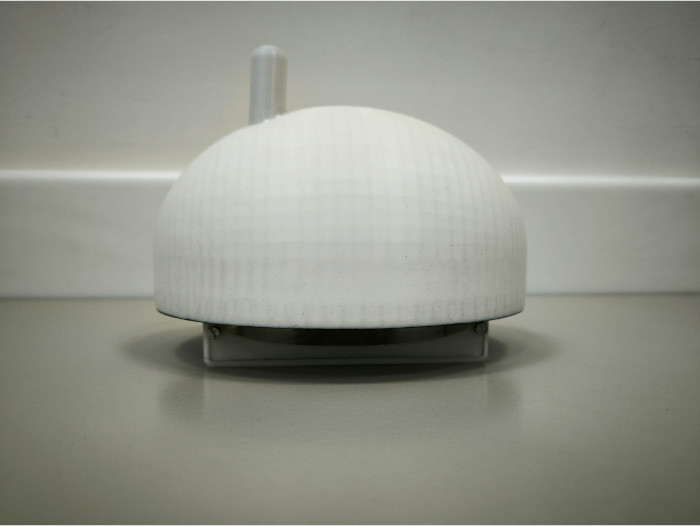
- Researchers from the Computer Networks and Distributed Systems (CNDS) research group at the Universitat Politècnica de Catalunya - BarcelonaTech (UPC) are developing new artificial intelligence-based solutions to obtain more accurate and reliable data from IoT sensor networks, with applications in air quality monitoring, anomaly detection and industrial predictive maintenance.
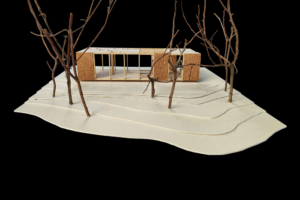
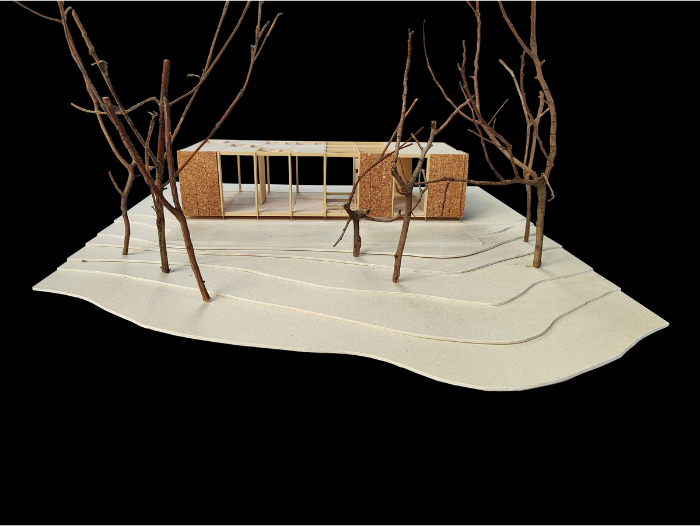
- The Casa Bosc project explores a lightweight, modular and prefabricated timber construction system designed to reduce the environmental impact of housing while making it easier to build and adapt to different contexts. The project has been developed by researchers from the Architectural Rehabilitation and Restoration Research Group (REARQ) at the Universitat Politècnica de Catalunya - BarcelonaTech (UPC) and the company ÀGORA.
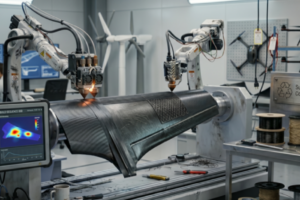
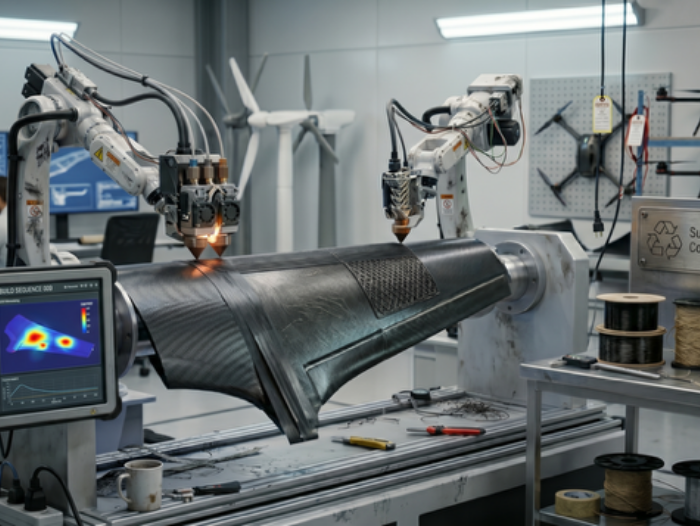
- The Control, Data and Artificial Intelligence (CoDAlab) research group at the Universitat Politècnica de Catalunya - BarcelonaTech (UPC) is taking part in the ATHENS project, which is developing recyclable thermoplastic composite materials with advanced real-time monitoring systems to improve the manufacture, safety and service life of lightweight structures.
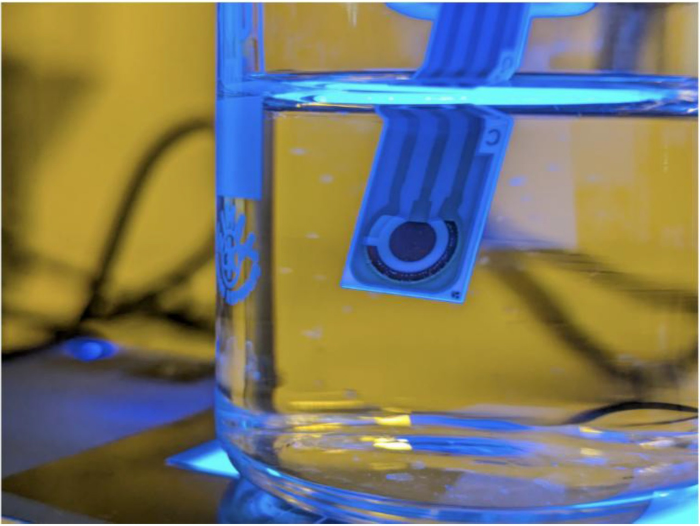
- The MICROTECH LAB - Microtechnology for the Industry research subgroup, part of the Centre for Advanced Technologies in Mechanics (CATMech) at the Universitat Politècnica de Catalunya - BarcelonaTech (UPC), is leading the technical development of a minimally invasive platform to monitor biomarkers and physiological indicators related to stress and emotional wellbeing.