

A gravity-fed natural wastewater treatment plant with low energy consumption and zero waste
May 19, 2026
AI4EO: Artificial Intelligence applied to Earth Observation
May 26, 202620/05/2026
The e-PLASCOM research group at the Universitat Politècnica de Catalunya - BarcelonaTech (UPC) is developing a solution based on biodegradable sodium alginate and gelatin aerogels for the purification of non-potable water and desalination using solar energy.
Access to fresh water is one of the major global challenges, especially in areas affected by water scarcity, contamination of natural resources, or a lack of energy and treatment infrastructure. In this context, more sustainable, efficient and affordable technologies are needed, capable of operating with renewable sources and reducing dependence on energy-intensive processes.
The project responds to this challenge through the development of aerogels, ultralight materials with a highly porous structure, made from natural biopolymers such as sodium alginate and gelatin. These materials stand out for their hydrophilicity, biodegradability and low cost, making them an attractive alternative for environmental applications linked to water treatment.
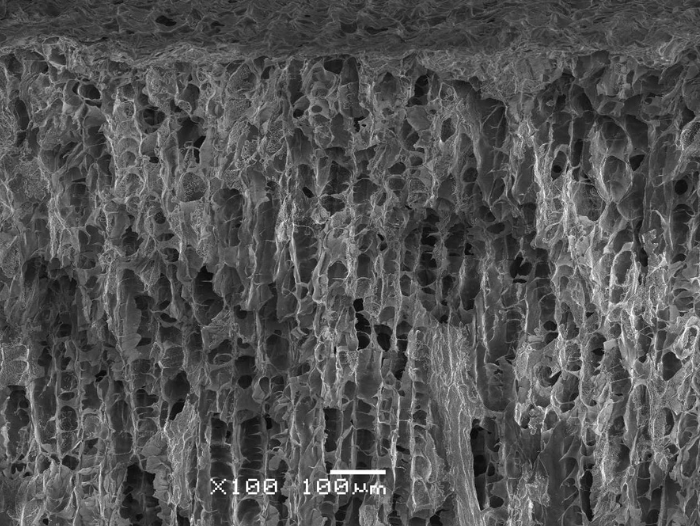
The solution is based on the directional freezing technique, which makes it possible to generate a vertically oriented porous structure. This internal architecture promotes the rapid transport of water to the surface by capillarity: the vertical channels act as micropumps that facilitate the movement of liquid within the material. In this way, water continuously reaches the active evaporation zone.
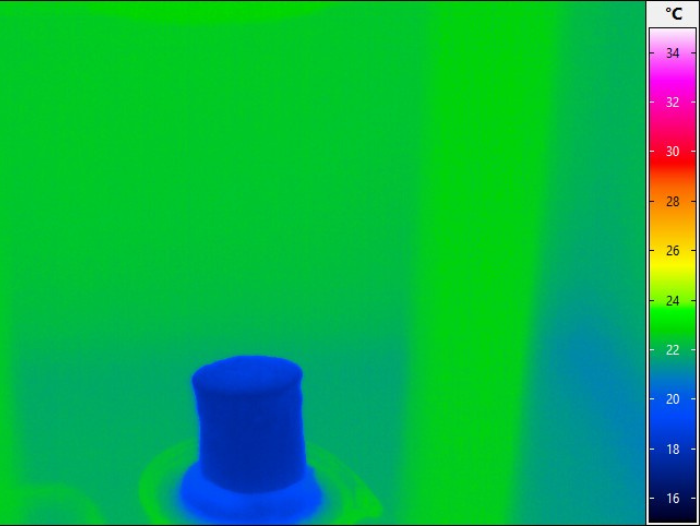
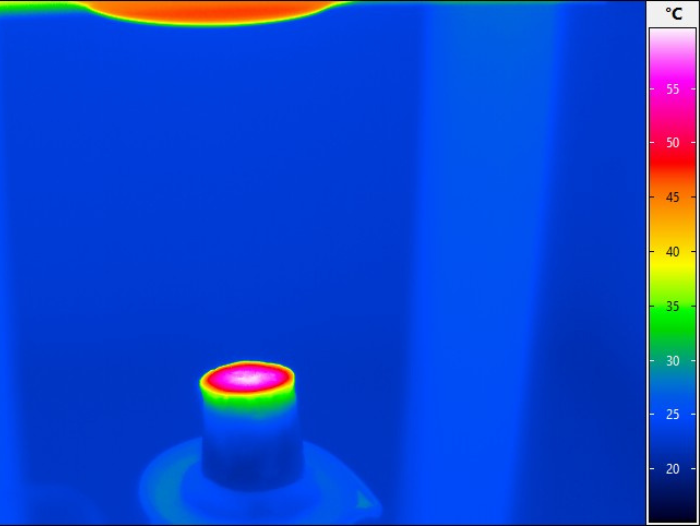
To increase the efficiency of the device, carbon black is incorporated as a low-cost photothermal agent with a high capacity to absorb radiation across a broad band of the solar spectrum. This component converts solar radiation into thermal energy and enables rapid interfacial evaporation, without the need to heat the entire body of water. This thermal management, combined with the aerogel’s inherent low conductivity, reduces energy losses to the underlying water and optimises the overall performance of the system.
In addition to facilitating purification by solar evaporation, the aerogels developed have the capacity to adsorb contaminants thanks to the functional groups present in the polymers. This broadens the potential of the technology in the treatment of non-potable water, as it combines efficient evaporation, the use of natural materials and the possibility of capturing certain contaminants.
The contribution of e-PLASCOM focuses on the design, manufacture and optimisation of these biopolymer aerogels, as well as on integrating the photothermal component to improve their behaviour under solar radiation. The result is a technology with potential application in decentralised purification systems, especially in settings where low-cost, low-environmental-impact solutions and autonomous operation using renewable energy are required.
Budget and Consortium
The project will be developed between 2026 and 2028 and also involves the Tiangon University (China). The total budget is €20,000.
Related Projects
- Researchers from the Computer Networks and Distributed Systems (CNDS) research group at the Universitat Politècnica de Catalunya - BarcelonaTech (UPC) are developing new artificial intelligence-based solutions to obtain more accurate and reliable data from IoT sensor networks, with applications in air quality monitoring, anomaly detection and industrial predictive maintenance.
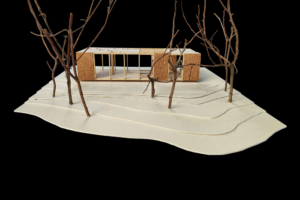
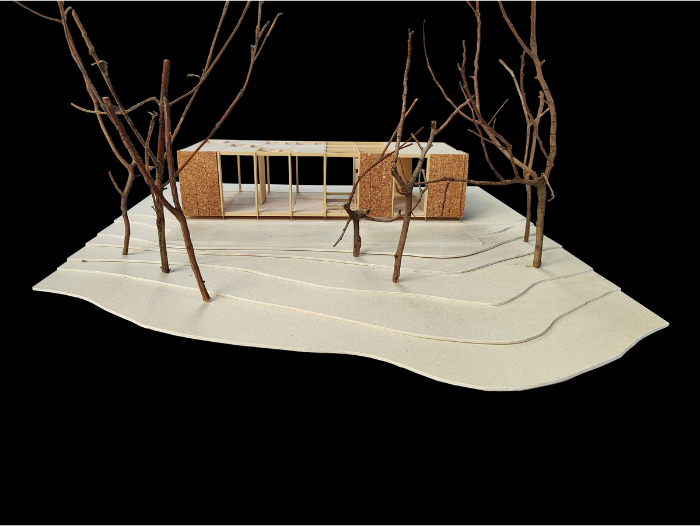
- The Casa Bosc project explores a lightweight, modular and prefabricated timber construction system designed to reduce the environmental impact of housing while making it easier to build and adapt to different contexts. The project has been developed by researchers from the Architectural Rehabilitation and Restoration Research Group (REARQ) at the Universitat Politècnica de Catalunya - BarcelonaTech (UPC) and the company ÀGORA.
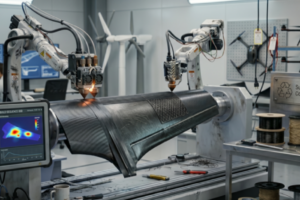
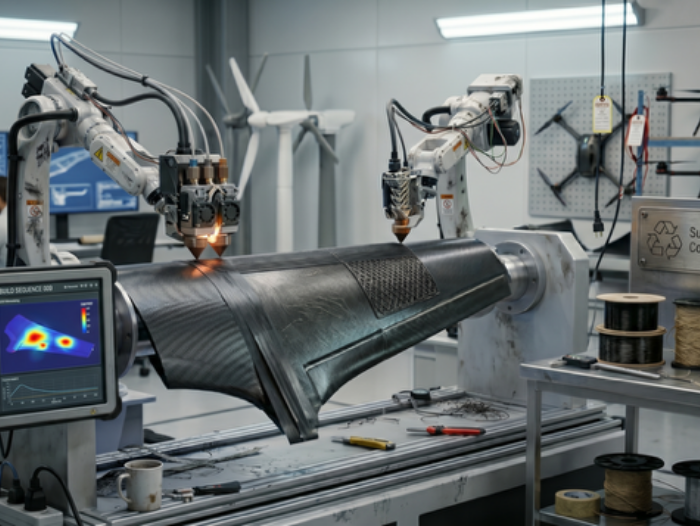
- The Control, Data and Artificial Intelligence (CoDAlab) research group at the Universitat Politècnica de Catalunya - BarcelonaTech (UPC) is taking part in the ATHENS project, which is developing recyclable thermoplastic composite materials with advanced real-time monitoring systems to improve the manufacture, safety and service life of lightweight structures.
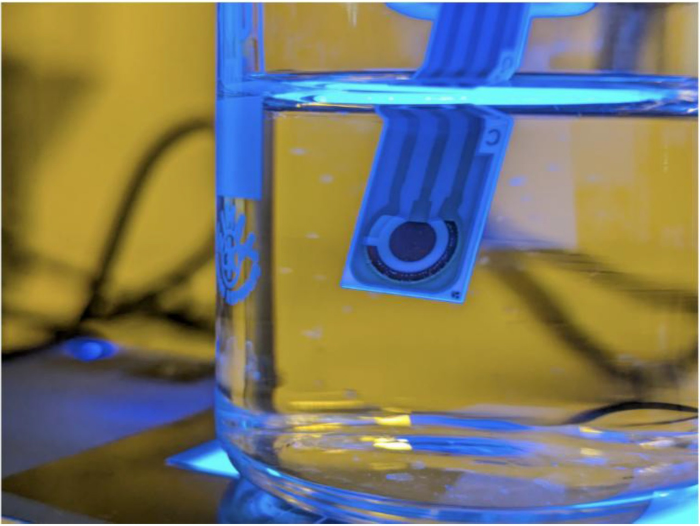
- The MICROTECH LAB - Microtechnology for the Industry research subgroup, part of the Centre for Advanced Technologies in Mechanics (CATMech) at the Universitat Politècnica de Catalunya - BarcelonaTech (UPC), is leading the technical development of a minimally invasive platform to monitor biomarkers and physiological indicators related to stress and emotional wellbeing.