

TECHNOLOGICAL CAPABILITIES
RECYCLING, UPCYCLING, TREATMENT

GAS EMITIONS AND AIR POLLUTION CONTROL
- Gas sensors and contaminant detection
- Modelling odor episodes and atmospheric quality
- Industrial emission assessment tools, systems and models
- Modelling, diagnosis and control of sources of air pollution
- Characterization and treatment of gaseous emissions
- Removal, filtration and/or valuation of air pollutants and gases (NH3, H2S, CO2, CO, VOCs and cinder, amongs others)
CLIMATE CHANGE MITIGATION
- Ecotechnologies and nature-based solutions
- Models and proposals for climate change mitigation
- Multilateral governance
- Global carbon budget and climate justice
- Advice on the Paris Agreement
- Life cycle assessment
- Green and circular economy

PLASTICS
- Recycling and recovery of plastic materials
- Plastic recycling by means of hyperspectral techniques
- Conversion of plastic waste (monomers) into new plastics
- Development in bioplastics and biocomposites

ORGANIC
- Characterization and composting of organic waste for agricultural recovery
- Valorization of incineration waste
- Recovery of bio-active components from food and agrowaste
- Sustainable management of cork waste generated in the cork industry
- Development of bio or synthetic organic waste to obtain new materials, for use in the construction industry, transport and packaging
- (Bio) processes of transformation of waste and organic by-products

ELECTRONICS
- Circular economy of digital devices
- eReuse: reuse of electronics to ensure final recycling
- Bioleaching of low-rank ores and e-waste for valuable metals recovery
- Research on the traceability of digital devices across their lifespan

OTHERS
- Co-gasification and pyrolysis of residual material(including municipal solid waste and forest waste)
- Construction and demolition waste management and recovery
- Mining, urban and industrial waste recovery
- Management, compaction and recovery of the waste process
ECOSYSTEM PRESERVATION

WASTEWATER TREATMENT
- Real-time control of sewage systems and wastewater treatment plants
- Natural low-cost bioprocesses for wastewater and sludge treatment
- Design of constructed wetlands for wastewater treatment
- Numerical simulation of bioprocesses to remove contaminants from wastewater
- Life cycle assessment and economic evaluation of products and technologies for wastewater treatment, sludge management and biogas production
- Use of cork to clean wastewater and produce electricity
- Urban and industrial wastewater treatments and related technologies

TERRESTRAL ECOSYSTEMS
- Application technique of phytosanitary products to reduce the risk of environmental pollution
- Application technique for organic fertilizers to reduce environmental impact
- Efficiency in composting systems and optimization of agricultural productivity. Sustainable agriculture
- Studies to evaluate risk to human health and ecosystems
- Landslide risk management
- Ecosystem services and sustainable resource management

URBAN ECOSYSTEM
- Urban contaminants and the environment
- Green building architecture and materials
- Noise pollution

DRINKING WATER
- Real-time monitoring and operational control of drinking water systems
- Improvement in the efficiency of water use, energy consumption, water loss minimization and water quality
- Modelling and simulation of drinking water networks
- Optimization of water transport and distribution networks

MARINE AND COASTAL ECOSYSTEMS
- Engineering and physical oceanography
- Port and coastal structures. Coastal zone management
- Morphodynamics and coastal processes
- Maritime research and experimentation wave flume
- Data acquisition system design and automation of marine system measurements
- Development of multifunctional sensors for in-situ monitoring of the marine environment
- Development of mobile and fixed ocean observing platforms

ENVIRONMENTAL IMPACT AND TECHNOLOGICAL RISK
- Risk analysis in the process industry
- Wildland fires monitoring and prediction
- Compartment fires modelling
- Floods and flash-floods, forecasting and derived impact
- Ecotoxicology
APPLICATION SECTORS

AERONAUTICS

AUTOMOTION

INFRASTRUCTURES

HEALTH

MANUFACTURING

TEXTILES
RELATED PROJECTS
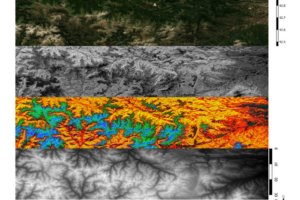
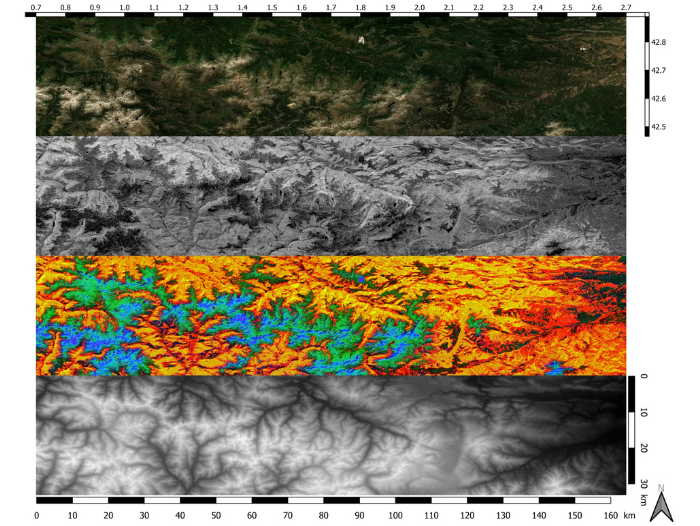
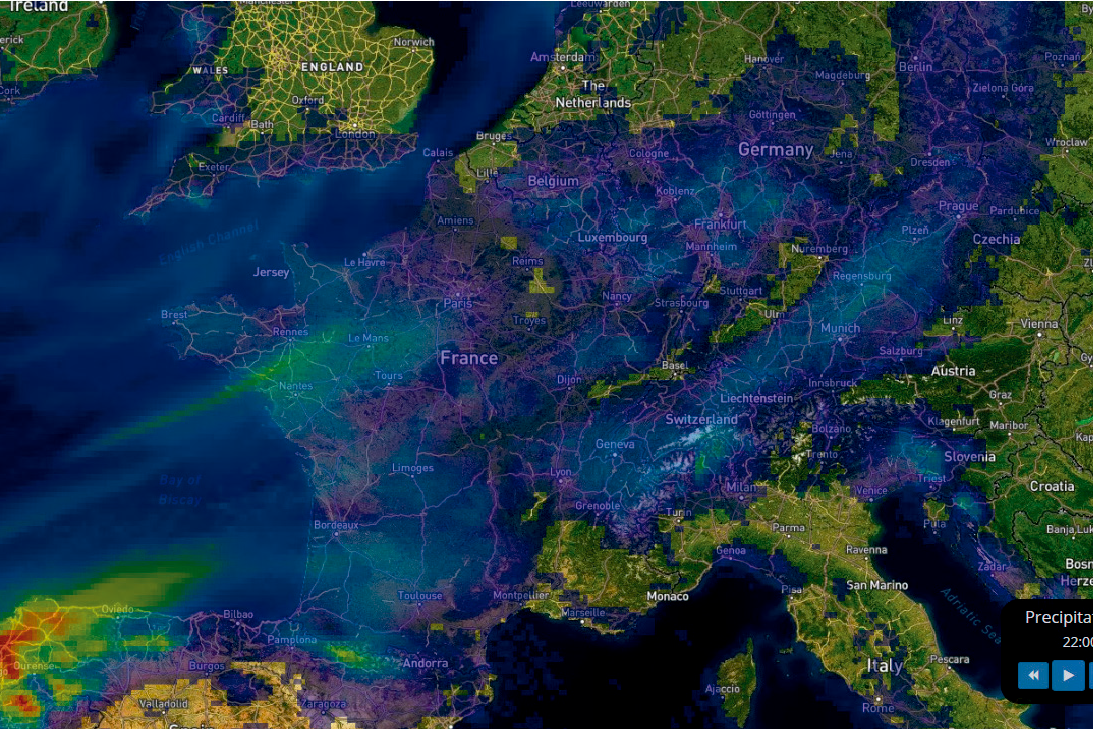
- Un equip de recerca de la UPC, integrat pel CommSensLab-UPC i el Remote Sensing Lab (RSLAB) de la Universitat Politècnica de Catalunya - BarcelonaTech (UPC), juntament amb l’Institut d’Estudis Espacials de Catalunya (IEEC), ha participat en el projecte AI4EO, amb l’objectiu d’impulsar solucions i posar en pràctica eines d’intel·ligència artificial aplicades a dades d’observació de la Terra en diversos casos d’ús sobre el territori català.
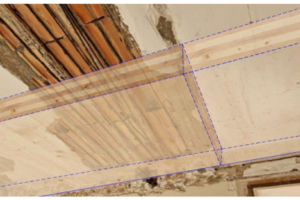
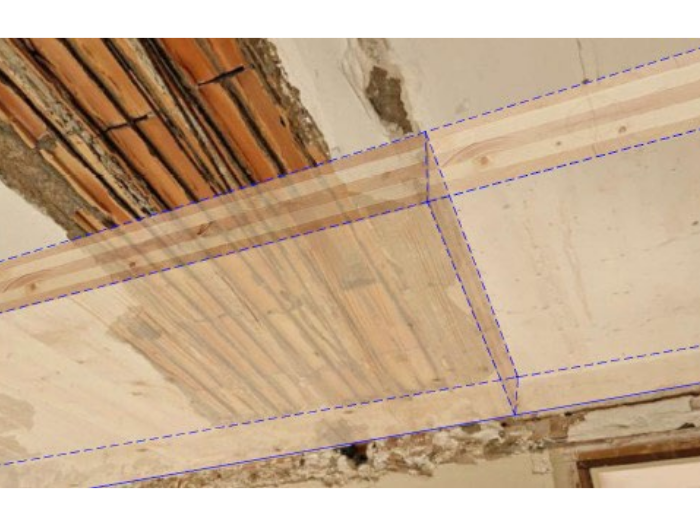
- Researchers from the Architecture, Energy and Environment research group (AiEM) and the Design and Analysis of Architectural Structures research group of the Department of Architectural Technology (DiCEA), which are part of the Centre for Research and Services for the Local Administration (CRAL) at the Universitat Politècnica de Catalunya - BarcelonaTech (UPC), have developed an innovative system for the structural strengthening of ceramic floor slabs using stress-activated timber, designed to intervene in occupied buildings in a fast, sustainable and replicable manner.
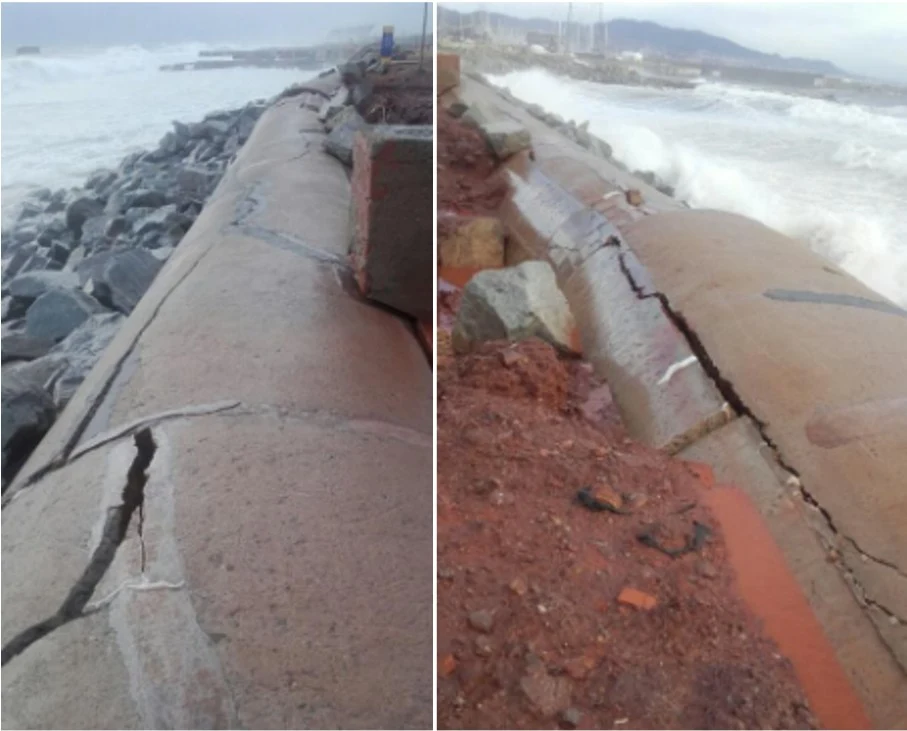
- A team of researchers led by the FLUMEN Research Institute at the Universitat Politècnica de Catalunya - BarcelonaTech (UPC) has participated in the European ICARIA project. Its aim is to develop tools and risk maps that enable public authorities and infrastructure managers to anticipate the impacts of extreme climate events and make adaptation decisions on a more robust technical basis.
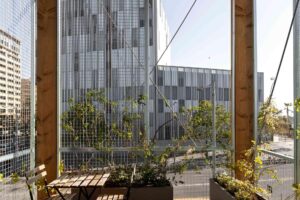
- The project is led by a team from the Rehabilitation and Architectural Restoration (REARQ) at the Universitat Politècnica de Catalunya - BarcelonaTech (UPC), in collaboration with the Interdisciplinary Group on Building Science and Technology (GICITED), also from UPC, and CONSTRAULA.