

A gravity-fed natural wastewater treatment plant with low energy consumption and zero waste
May 19, 2026
AI4EO: Artificial Intelligence applied to Earth Observation
May 26, 202620/05/2026
The e-PLASCOM research group at the Universitat Politècnica de Catalunya - BarcelonaTech (UPC) is developing a solution based on biodegradable sodium alginate and gelatin aerogels for the purification of non-potable water and desalination using solar energy.
Access to fresh water is one of the major global challenges, especially in areas affected by water scarcity, contamination of natural resources, or a lack of energy and treatment infrastructure. In this context, more sustainable, efficient and affordable technologies are needed, capable of operating with renewable sources and reducing dependence on energy-intensive processes.
The project responds to this challenge through the development of aerogels, ultralight materials with a highly porous structure, made from natural biopolymers such as sodium alginate and gelatin. These materials stand out for their hydrophilicity, biodegradability and low cost, making them an attractive alternative for environmental applications linked to water treatment.
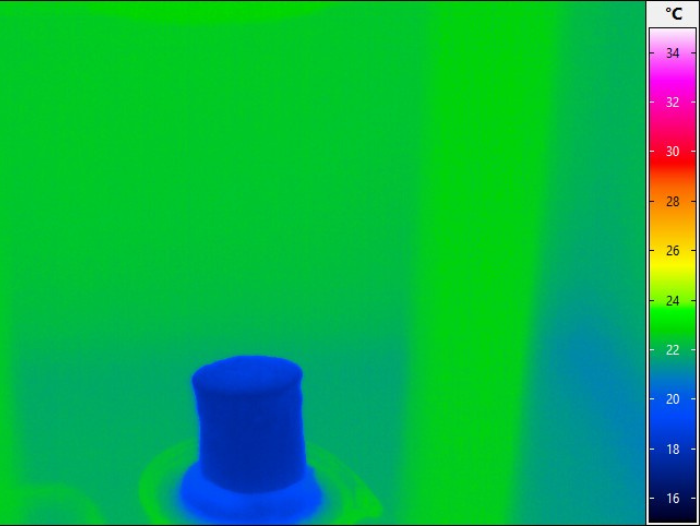
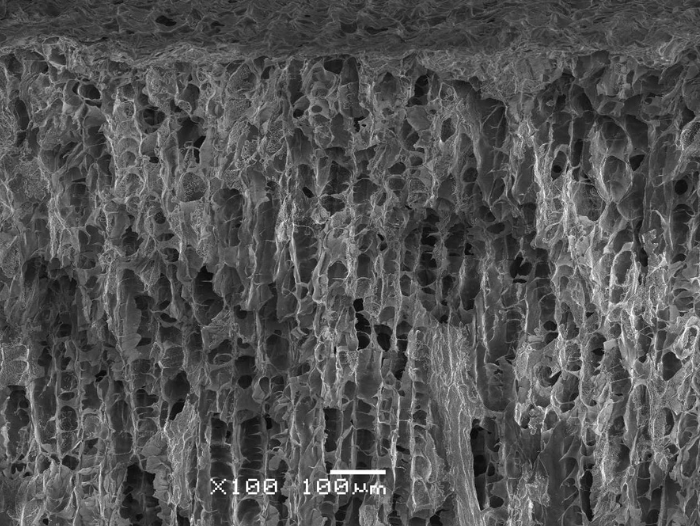
The solution is based on the directional freezing technique, which makes it possible to generate a vertically oriented porous structure. This internal architecture promotes the rapid transport of water to the surface by capillarity: the vertical channels act as micropumps that facilitate the movement of liquid within the material. In this way, water continuously reaches the active evaporation zone.
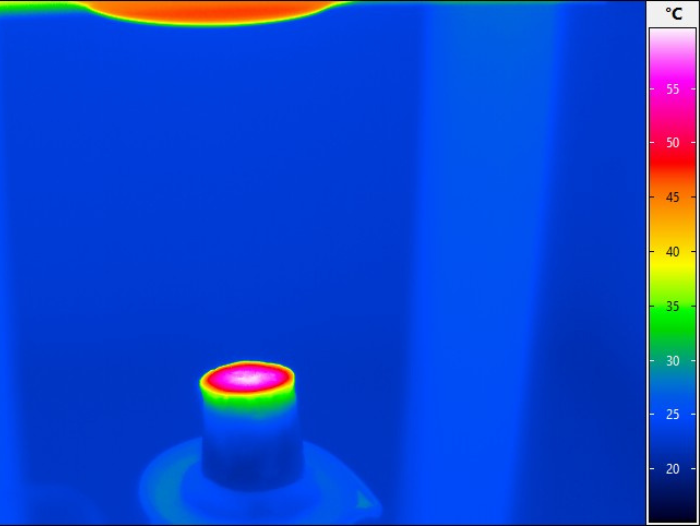
To increase the efficiency of the device, carbon black is incorporated as a low-cost photothermal agent with a high capacity to absorb radiation across a broad band of the solar spectrum. This component converts solar radiation into thermal energy and enables rapid interfacial evaporation, without the need to heat the entire body of water. This thermal management, combined with the aerogel’s inherent low conductivity, reduces energy losses to the underlying water and optimises the overall performance of the system.
In addition to facilitating purification by solar evaporation, the aerogels developed have the capacity to adsorb contaminants thanks to the functional groups present in the polymers. This broadens the potential of the technology in the treatment of non-potable water, as it combines efficient evaporation, the use of natural materials and the possibility of capturing certain contaminants.
The contribution of e-PLASCOM focuses on the design, manufacture and optimisation of these biopolymer aerogels, as well as on integrating the photothermal component to improve their behaviour under solar radiation. The result is a technology with potential application in decentralised purification systems, especially in settings where low-cost, low-environmental-impact solutions and autonomous operation using renewable energy are required.
Budget and Consortium
The project will be developed between 2026 and 2028 and also involves the Tiangon University (China). The total budget is €20,000.
Related Projects
- A team from the e-PLASCOM and eb-POLICOM research groups, alongside the Barcelona Research Center in Multiscale Science and Engineering (CCEM) at the Universitat Politècnica de Catalunya - BarcelonaTech (UPC), is involved in the EcoPolyRub project in partnership with the Centre Català del Plàstic (CCP). The initiative aims to create innovative elastomeric materials based on recycled tyre rubber, enhanced recycled plastics, and natural rubber for high-performance mechanical and thermal applications.
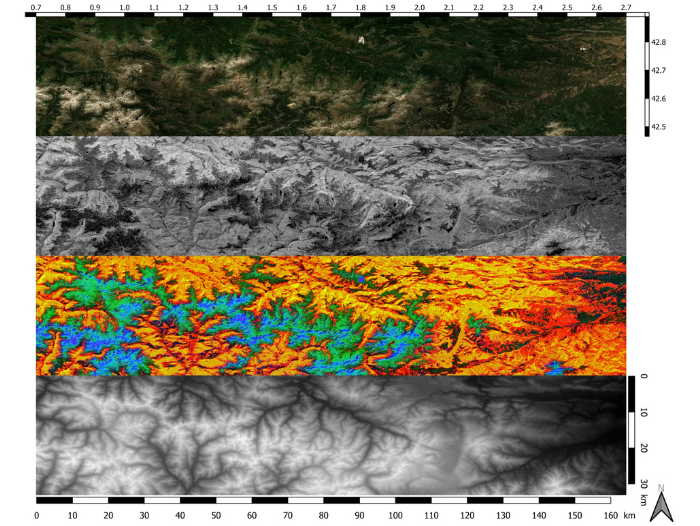
- Un equip de recerca de la UPC, integrat pel CommSensLab-UPC i el Remote Sensing Lab (RSLAB) de la Universitat Politècnica de Catalunya - BarcelonaTech (UPC), juntament amb l’Institut d’Estudis Espacials de Catalunya (IEEC), ha participat en el projecte AI4EO, amb l’objectiu d’impulsar solucions i posar en pràctica eines d’intel·ligència artificial aplicades a dades d’observació de la Terra en diversos casos d’ús sobre el territori català.
- The e-PLASCOM research group at the Universitat Politècnica de Catalunya - BarcelonaTech (UPC) is developing a solution based on biodegradable sodium alginate and gelatin aerogels for the purification of non-potable water and desalination using solar energy.
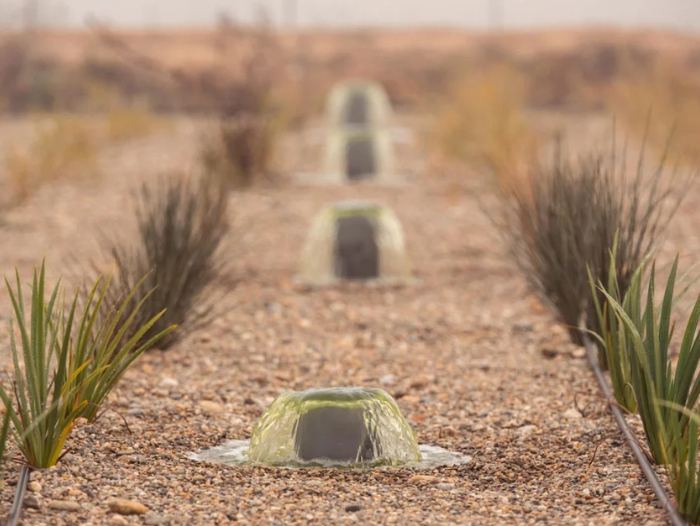
- A research team from the Group of Environmental Engineering and Microbiology (GEMMA), and the Department of Civil and Environmental Engineering, at the Universitat Politècnica de Catalunya - BarcelonaTech (UPC), has collaborated with Raimat on the development of an innovative water treatment system based on natural processes, requiring minimal, almost zero, energy consumption and generating no waste. The project has enabled the Lleida winery to take another step in its sustainability strategy and improve its environmental efficiency through the creation of wetlands in the middle of its vineyards, purifying 80,000 litres of water per day while also enhancing the biodiversity of the surrounding area.