

MARLIT: Improve protection, monitoring and prevention in the face of risks of ocean storms with a high impact on the coast
December 21, 2022
GIRASOL: Digital twin of photovoltaic power stations
December 21, 202221/12/2022
The greatest losses in the viticulture sector come from pathologies caused by fungi. Botrytis cinerea has the greatest economic impact, as it attacks all the green organs of the vines and mainly the bunches of grapes. It reduces the size of a grape harvest, and the quality of the grapes and the wines that are produced.
Currently, there is a high demand for effective, sustainable solutions to these losses that incorporate environmentally friendly products. These could be an alternative or complement to plant health treatments based on copper salts or other compounds that are potentially harmful to the environment.
In this context, the demonstration project Bio2Coat will be developed. The project centres on a technology of functional, edible coatings against loss and deterioration of grapes for wine production and for the table. This is a technology based on natural compounds (it does not use plant health or synthetic products) that come from renewable resources. It has been developed by the Polyfunctional Polymeric Materials (POLY2) research group of the Universitat Politècnica de Catalunya - BarcelonaTech (UPC).
The Bio2Coat coating is comprised of a mix of biopolymers, natural plasticisers and bioburdens, whose base is a food composition that is suitable for celiacs and allergen-free. It includes a part of Attalea speciosa (Babassu) along with other compounds from food byproducts. The coating that is developed is applied in the form of an aqueous solution by wetting the bunches of grapes directly through spraying or nebulising. Once it has been applied and dries, a very fine film forms on the fruit that has two functions. It acts as a physical and chemical barrier that protects against microorganisms and it acts as a semi-permeable barrier to gases, and therefore controls the transpiration of the fruit. This improves the conservation and natural protection of the grape and its transport, storage and processing under optimal conditions. In addition, it lengthens, conserves and reduces losses throughout the chain and improves the appearance and quality offered to the end customer.
Results and expected impact
The result of Bio2Coat is a technology of functional edible coatings that protect and conserve grapes, lengthening their life and reducing losses throughout the chain.
Bio2Coat will contribute to reducing losses in the sector and will improve quality and food safety. It will have a direct impact on the reduction of losses and food waste, improvements in plant health, and the fight against and management of pests in the viticulture sector.
This technology has been protected by patents and transferred to the spin-off Bio2Coat SL.
Budget and funding
This project will last three years (from December 2021 – June 2024) and has the support and collaboration of the Clúster Vitivinícola Català (INNOVI) and the Institut Català de la Vinya i el Vi (INCAVI). The total budget for the project is €50,000 and is funded by the call ‘Ajuts a les activitats de demostració en transferència tecnològica’ of the Programa de Desenvolupament Rural de Catalunya 2014-2022 (PDR 2014-2022), of the Departament d'Acció Climàtica, Alimentació i Agenda Rural, Generalitat de Catalunya.



Activity financed through Operation 01.02.01 for Technology Transfer of the Rural Development Programme of Catalonia 2014-2022.
Topic
You want to know more?
Related Projects
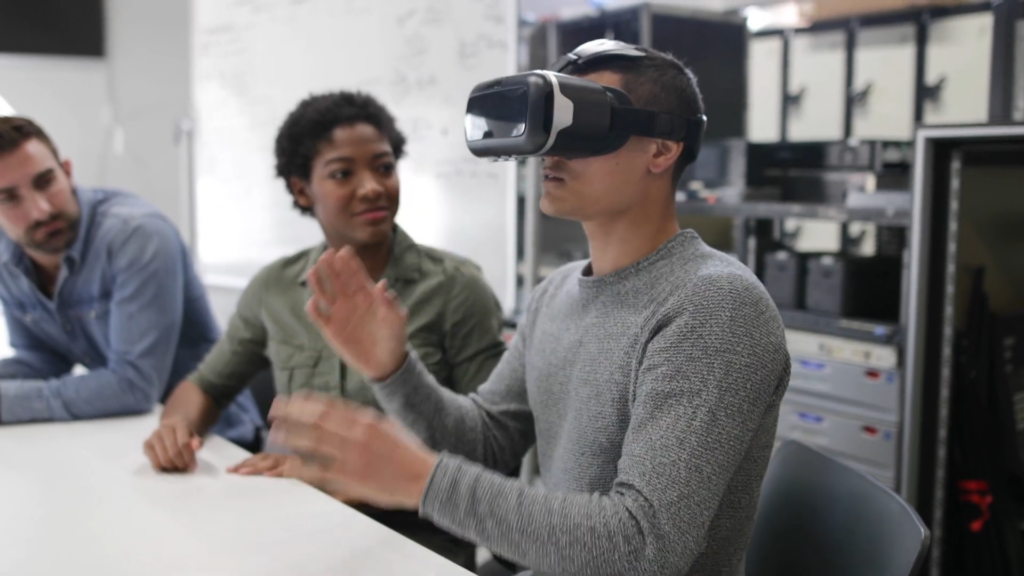
- The Visualisation, Virtual Reality and Graphic Interaction Research Group (ViRVIG) at the Universitat Politècnica de Catalunya - BarcelonaTech (UPC) has participated in the XR4ED project, an initiative that connects the educational technology (EdTech) and Extended Reality (XR) sectors, with the aim of transforming learning and training across Europe.
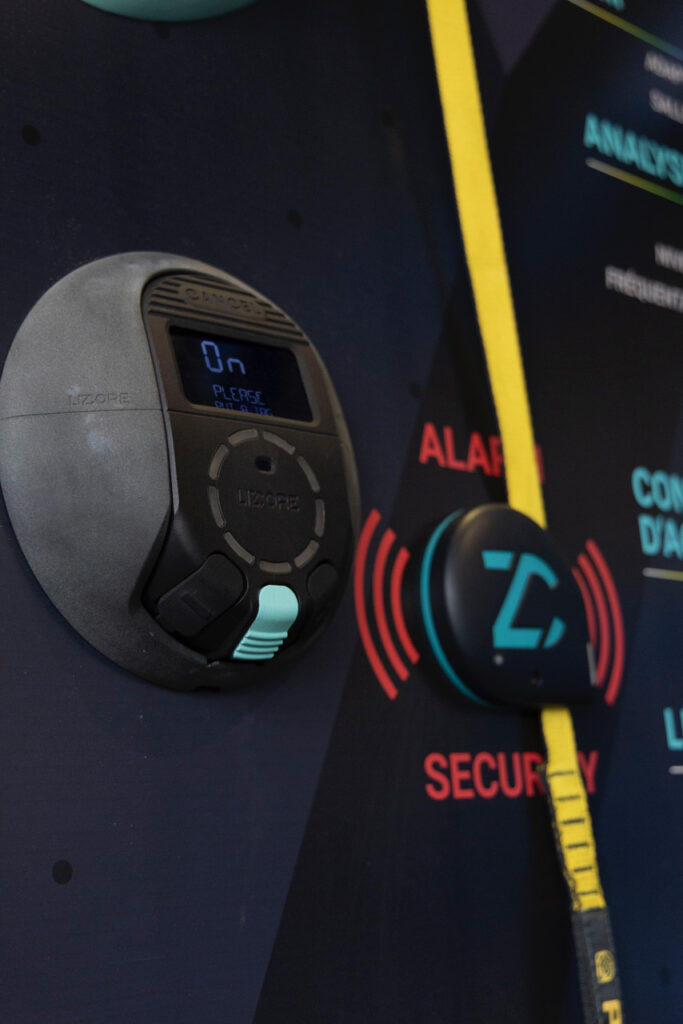
- The inLab FIB at the UPC has collaborated with Lizcore® for the development of a proof of concept based on artificial intelligence to improve safety in climbing with autobelay devices. The system allows the automatic and accurate detection of risk situations before starting a route.
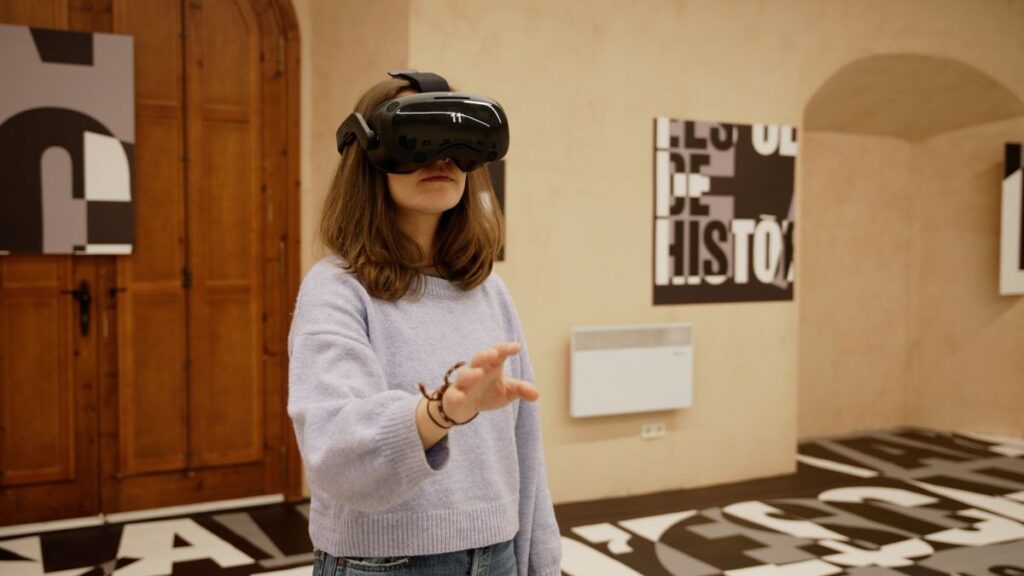
- Researchers from the Centre for Image and Multimedia Technology of the UPC (CITM) and from the DiCode research group (Digital Culture and Creative Technologies Research Group) of the Universitat Politècnica de Catalunya – BarcelonaTech (UPC) have worked on the project The Eyes of History, an initiative of the Catalan Agency for Cultural Heritage that offers an immersive view of Catalan cultural heritage. It is especially aimed at the first and second cycles of secondary education and was created to bring heritage into the classroom. Its goal is to bring the history and monuments of Catalonia closer in a vivid and innovative way, using tools such as virtual reality and new museographic narratives.
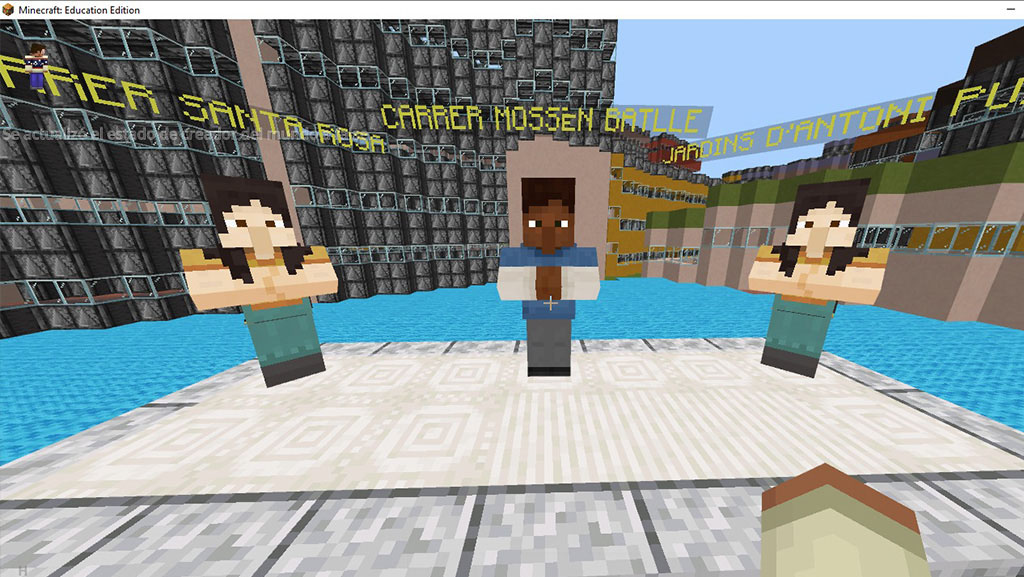
- City and Play is a social action project coordinated by researchers from the Centre for Image and Multimedia Technology (CITM) and the DiCode research group (Digital Culture and Creative Technologies Research Group) of the Universitat Politècnica de Catalunya – BarcelonaTech (UPC), the Universitat Oberta de Catalunya (UOC) and the University of Barcelona (UB), and funded by Barcelona City Council. The aim of the project is to promote civic competences and reflection on the urban environment among adolescents through the creation of an open framework that uses methodologies based on play, co-creation and storytelling.