


IRIS: A platform to assess, detect and respond to vulnerabilities and threats in ICT networks
March 18, 2022
Predictive eBoost’s project aims to improve the performance of electric vehicles’ powertrain and batteries
April 21, 2022The project Biomedical photonics and machine learning for the diagnosis and treatment of ocular disorders, cognitive deterioration and haematological diseases (BIOPHOCH), led by the Centre for Sensors, Instruments and Systems Development (CD6), is designed to develop new tools and methodologies for image analysis and processing of data in the health area using photonic techniques.
Biomedical photonics is leading to revolutionary discoveries in the health sector, where light-based instruments are already used for non-invasive diagnoses and treatments of patients. These advances are accompanied by the generation of a large quantity of data. It is in this area that BIOPHOCH has the mission of obtaining efficient algorithms that could process the information that is gathered.
What are the challenges of the BIOPHOCH project?
The project uses eye-tracking technology, spectral and confocal microscopy, among others, along with data analysis and machine learning algorithms to research and address the challenges in three medical areas:
- The diagnosis of ocular disorders using new methods of refraction and evaluation of the eye fundus.
- The objective evaluation of cognitive state (Alzheimer’s and persistent COVID) from the analysis of ocular movements.
- The diagnosis of haematological diseases through spectral confocal microscopy.
Through machine learning, the aim is to offer the capacity to classify and identify data patterns, with similar reliability to that of experienced doctors.

Continuity project with a multidisciplinary team
BIOPHOCH brings together in one project a highly complementary team comprised of physicists, optical engineers, software engineers and optometrists from the CD6 and various hospitals, including the Institute of Ocular Microsurgery (IMO), Terrassa Health Consortium (CST) and Sant Joan de Déu Hospital (HSJD). It is also supported by companies in the medical sector.
As part of the State R+D+I Programme Oriented to the Challenges of Society of the Ministry of Science and Innovation, BIOPHOCH has a budget of 242,000 euros and lasts 3 years (September 2021 to August 2024).
Technology
Sector
You want to know more?
Related Projects
- The Image and Video Processing Group (GPI), part of the IDEAI-UPC research group, and the Digital Culture and Creative Technologies Research Group (DiCode) from the Image Processing and Multimedia Technology Center (CITM) at the Universitat Politècnica de Catalunya – BarcelonaTech (UPC), have co-organised the AI and Music Festival (S+T+ARTS) together with Sónar+D and Betevé, to explore the creative use of artificial intelligence in music.
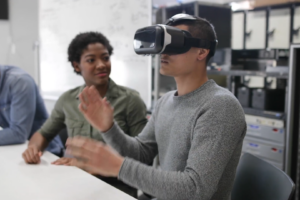
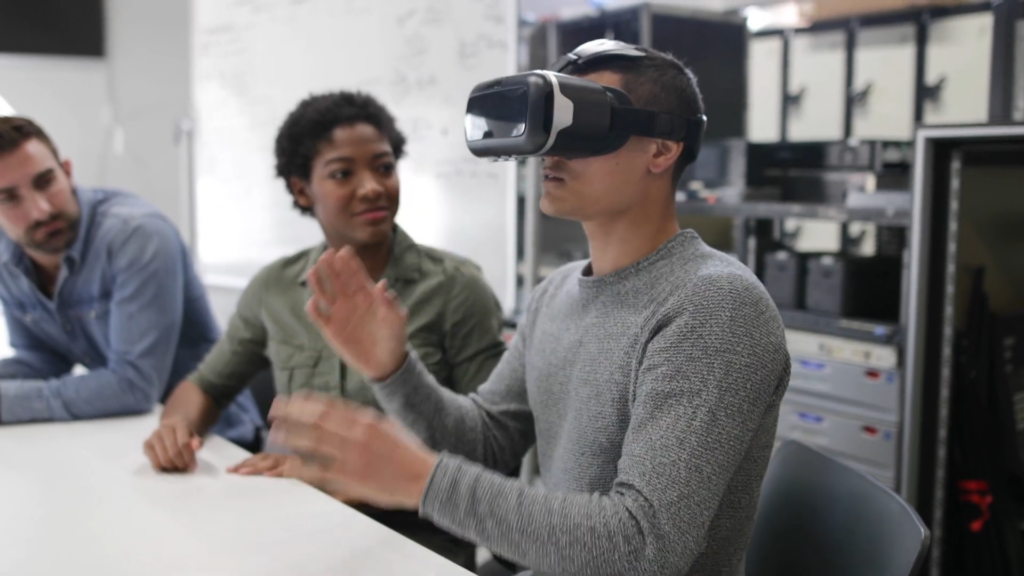
- The Visualisation, Virtual Reality and Graphic Interaction Research Group (ViRVIG) at the Universitat Politècnica de Catalunya - BarcelonaTech (UPC) has participated in the XR4ED project, an initiative that connects the educational technology (EdTech) and Extended Reality (XR) sectors, with the aim of transforming learning and training across Europe.
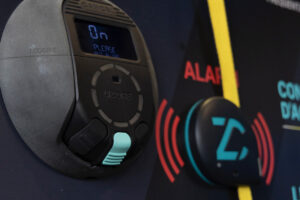
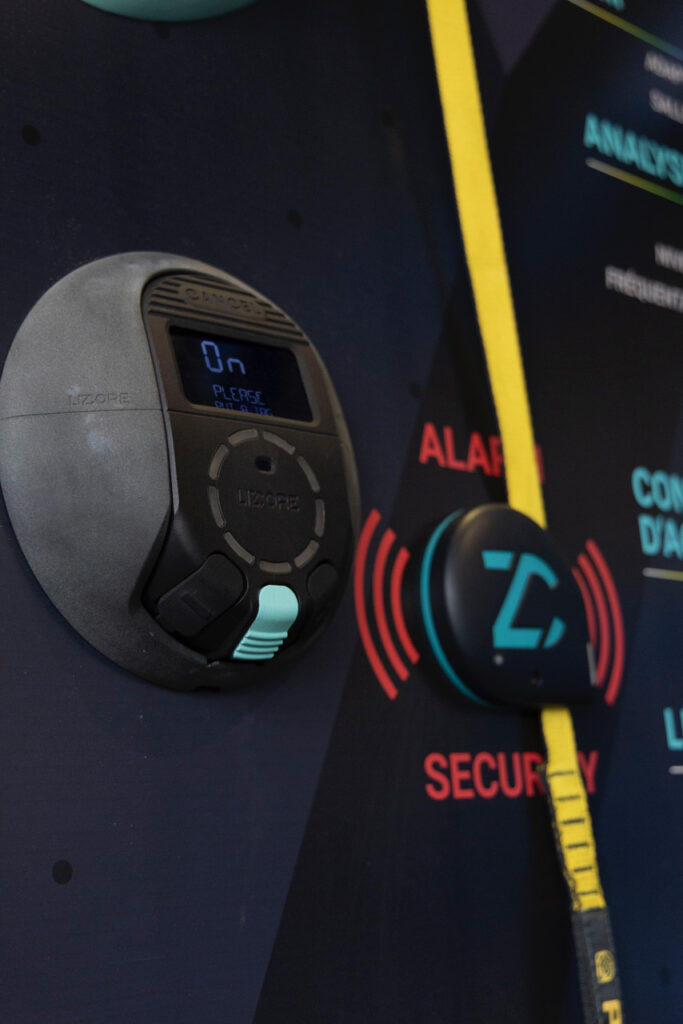
- The inLab FIB at the UPC has collaborated with Lizcore® for the development of a proof of concept based on artificial intelligence to improve safety in climbing with autobelay devices. The system allows the automatic and accurate detection of risk situations before starting a route.
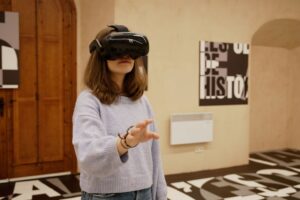
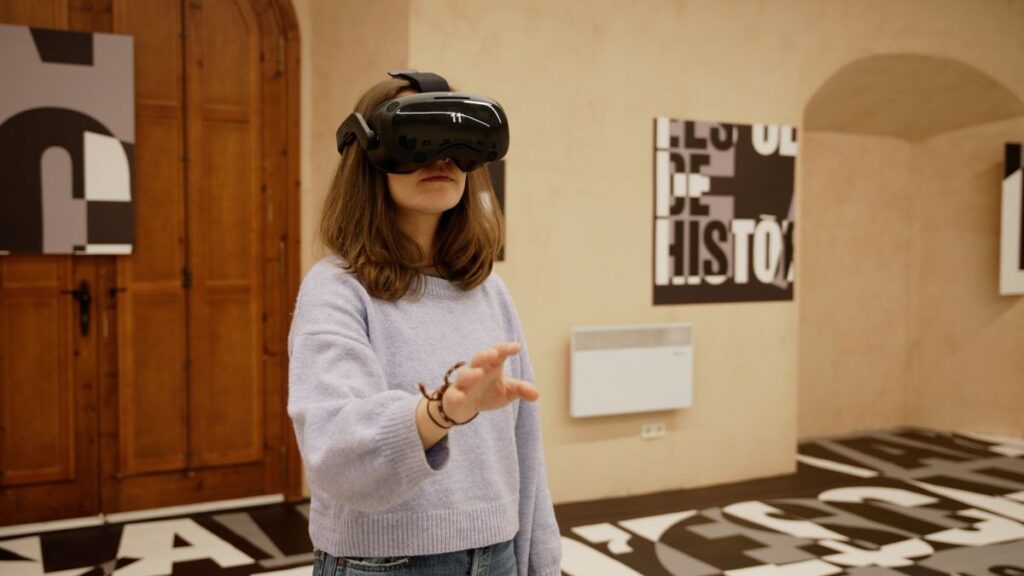
- Researchers from the Centre for Image and Multimedia Technology of the UPC (CITM) and from the DiCode research group (Digital Culture and Creative Technologies Research Group) of the Universitat Politècnica de Catalunya – BarcelonaTech (UPC) have worked on the project The Eyes of History, an initiative of the Catalan Agency for Cultural Heritage that offers an immersive view of Catalan cultural heritage. It is especially aimed at the first and second cycles of secondary education and was created to bring heritage into the classroom. Its goal is to bring the history and monuments of Catalonia closer in a vivid and innovative way, using tools such as virtual reality and new museographic narratives.