


Assolim: Optimised routes on demand for the food service sector
February 20, 2024
LENA: Continuous learning to improve AI applied to robot navigation with human interactions
April 4, 202419/03/2024
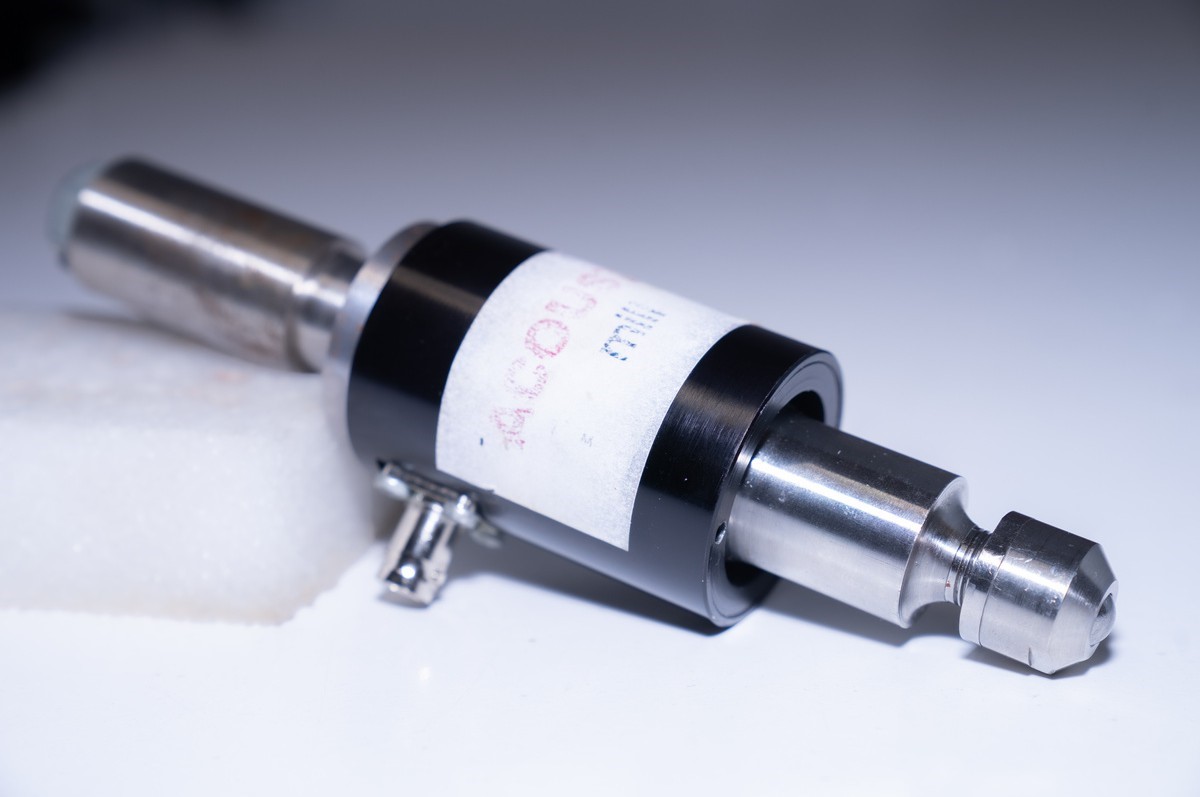
A team of researchers from the Manufacturing Technologies Research Group (TECNOFAB) at the Universitat Politècnica de Catalunya - BarcelonaTech (UPC) is participating in BRUVIT. The aim of this project is to develop and validate the ball burnishing process assisted by ultrasonic vibration to improve the hardness and surface integrity of parts on a parallel lathe.
The aim of this project is to analyse the viability of using a vibration-assisted burnishing process on a parallel lathe and to validate its operation on industrial parts. With this project, the performance of this tool was tested in relevant settings outside of the laboratory with industrial parts.
The vibration-assisted burnishing process can be used on surfaces that are worked on by any machine tool in the workshop to finish them by plastic deformation. Simultaneously, this increases the hardness and residual stress of the material and reduces its characteristic texture.
This new burnishing process is therefore ideal to manufacture parts with improved surface integrity, which means that they will have greater durability and better features.
The project has three phases: a market study and positioning to identify relevant partners in the implementation value chain, an experimental and testing phase of the product to carry out tests on real parts, and a final transfer phase in which the tests are transferred to the premises of future users or developers of the final model of the tool.
The burnishing technology only deforms the material plastically. It does not generate waste, as no shavings are produced. This means that the process is cleaner and less harmful for the environment than other similar processes. Furthermore, the process does not generate noise, which is another added value in relation to the environment in which it is carried out.
The sectors in which this new process can be applied include the transport sector (represented by automotive and aerospace companies) and the biomedical sector, which requires the manufacture of parts with very specific finishes to promote the potential bioactivity of the material.
Budget and funding
The project has a total budget of €115,000. It has been funded through the State Plan of Scientific and Technical Research and Innovation 2021-2023 (PDC2022-133596-I00; Spanish State Research Agency) and has a duration of two years (2022-2024).


Technology
Topic
You want to know more?
Related Projects
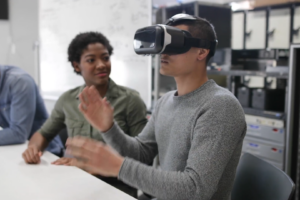
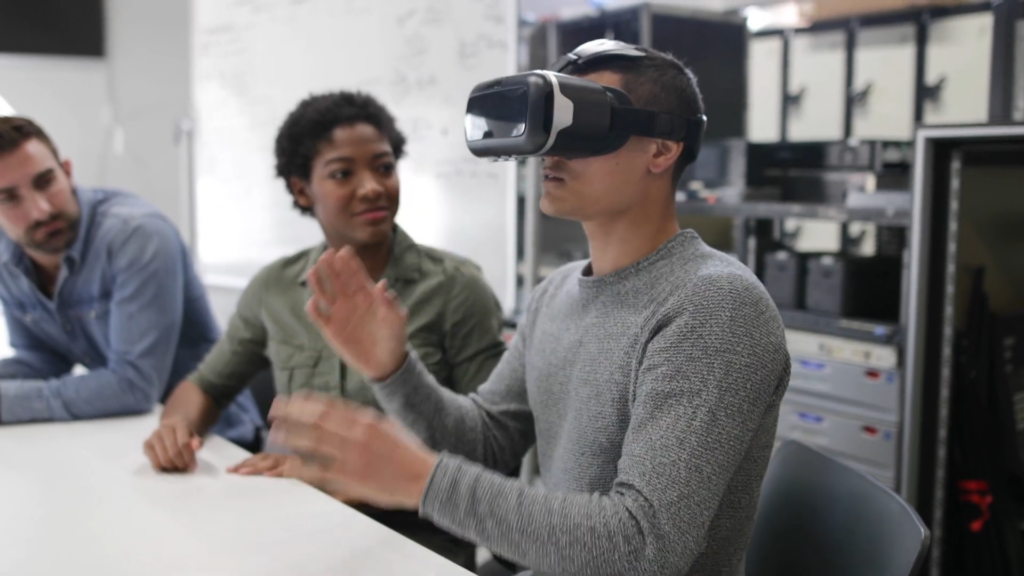
- The Visualisation, Virtual Reality and Graphic Interaction Research Group (ViRVIG) at the Universitat Politècnica de Catalunya - BarcelonaTech (UPC) has participated in the XR4ED project, an initiative that connects the educational technology (EdTech) and Extended Reality (XR) sectors, with the aim of transforming learning and training across Europe.
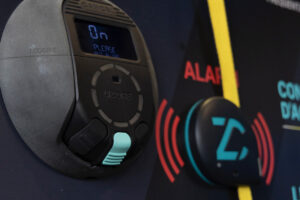
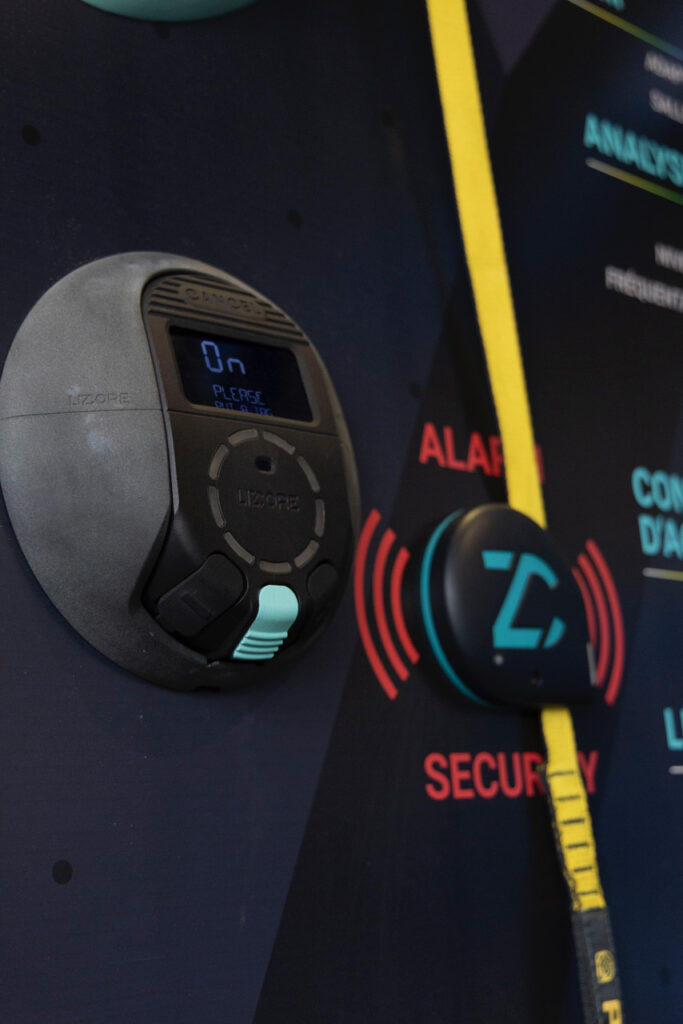
- The inLab FIB at the UPC has collaborated with Lizcore® for the development of a proof of concept based on artificial intelligence to improve safety in climbing with autobelay devices. The system allows the automatic and accurate detection of risk situations before starting a route.
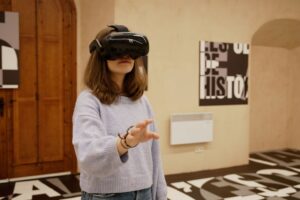
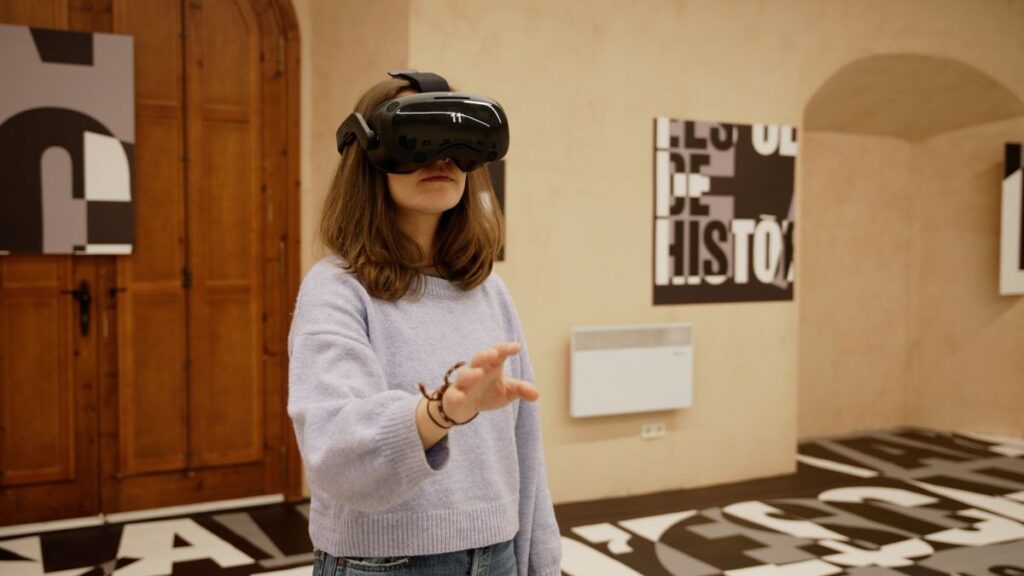
- Researchers from the Centre for Image and Multimedia Technology of the UPC (CITM) and from the DiCode research group (Digital Culture and Creative Technologies Research Group) of the Universitat Politècnica de Catalunya – BarcelonaTech (UPC) have worked on the project The Eyes of History, an initiative of the Catalan Agency for Cultural Heritage that offers an immersive view of Catalan cultural heritage. It is especially aimed at the first and second cycles of secondary education and was created to bring heritage into the classroom. Its goal is to bring the history and monuments of Catalonia closer in a vivid and innovative way, using tools such as virtual reality and new museographic narratives.
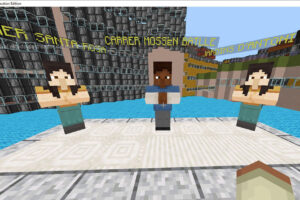
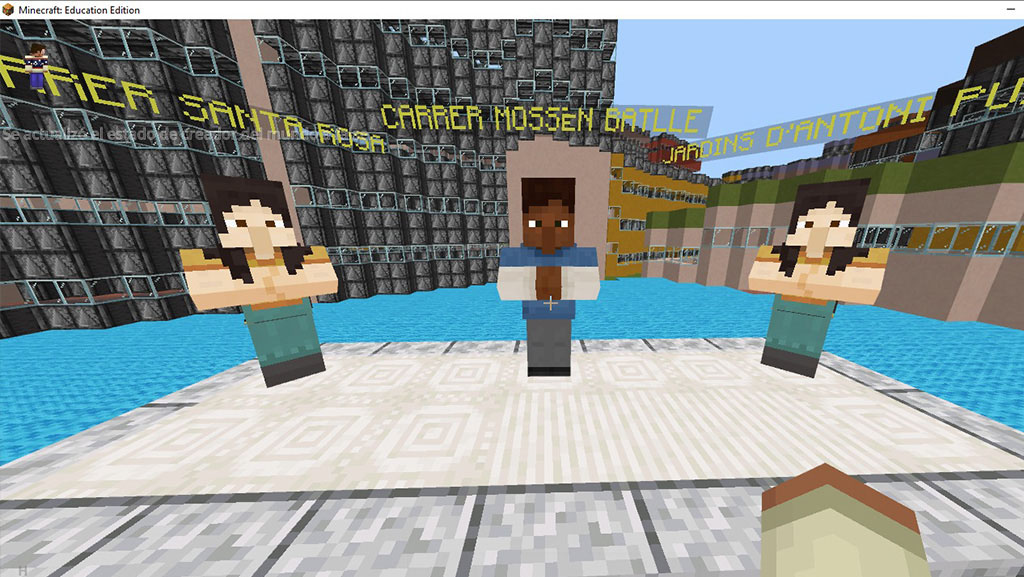
- City and Play is a social action project coordinated by researchers from the Centre for Image and Multimedia Technology (CITM) and the DiCode research group (Digital Culture and Creative Technologies Research Group) of the Universitat Politècnica de Catalunya – BarcelonaTech (UPC), the Universitat Oberta de Catalunya (UOC) and the University of Barcelona (UB), and funded by Barcelona City Council. The aim of the project is to promote civic competences and reflection on the urban environment among adolescents through the creation of an open framework that uses methodologies based on play, co-creation and storytelling.