

ROB-IN: Robots for continual personalised assistance that can explain themselves
October 19, 2023
BINAFET: Integrating agriculture into buildings and modelling strategies for air reuse in cities
October 30, 202318/10/2023
A team of researchers from the Department of Agri-Food Engineering and Biotechnology of the Barcelona School of Agri-Food and Biosystems Engineering (EEABB), associated with the Specific Research Centre for Agri-Food Technology (Agrotech UPC), and the Design and Assessment group of Broadband Networks and Services (BAMPLA) at the Castelldefels School of Telecommunications and Aerospace Engineering (EETAC), Universitat Politècnica de Catalunya - BarcelonaTech (UPC), are participating in the development of a monitoring and decision support system for weed management in crops.
Weed control is essential to obtain maximum crop yield. Weeds are most sensitive when they are seedlings, so it is during this stage that the utmost should be done to control them. For this reason, a field should be constantly monitored after sowing but often there is not enough time to do this. Applying control measures too soon (which leads to the emergence of new weeds) or too late (when some are already very tall and can survive the control measures) could lead to an increase in production losses.
The aim of GESTERB is to create an IT tool that reports the moment that weeds appear and advises on the best time to carry out control measures, to increase the efficiency of weeding. In the first phase, an application will be developed for mobile phones and computers aimed at the main weeds in cereal crops, such as Lolium rigidum (annual ryegrass) and Papaver rhoeas (common poppy). In a second phase, the application’s functioning will be validated and the quality of the application in commercial fields will be assessed. In addition, summer weeds such as Echinochloa crus-galli and Digitaria sanguinalis, among others, will be included in the application.
The aim of the project is to provide farmers with a decision support tool to manage weeds in crops and improve efficiency. Specifically, the GESTERB project proposes the design of a tool to control annual ryegrass and common poppy.
The application will be fed daily weather data on land temperature and precipitation and will use algorithms that have already been developed and validated to predict the emergence of weeds. The final aim is to focus on improving the efficacy of existing treatments, whether with weedkillers or by tilling, and cutting the economic and environmental costs through better management of water, fertilisers and pesticides.
The project will be carried out in three phases:
- Phase 1. Development of the application for mobiles (Android and iOS) and computers.
- Phase 2. Validation of the predictions made by the application for farmers’ commercial fields.
- Phase 3. Dissemination of the tool through a programme of knowledge transfer meetings, educational talks and the Ruralcat network, among others.
Budget and funding
GESTHERB will have a duration of three years (December 2021 – June 2024). It has a budget of €49,825 through a grant from the Catalan Rural Development Programme 2014-2022 of the Ministry of Climate Action, Food and Rural Agenda (Catalan Government).


Activity funded through Technology Transfer Operation 01.02.01 of the Catalan Rural Development Programme 2014-2022
Related Projects
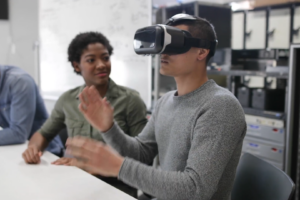
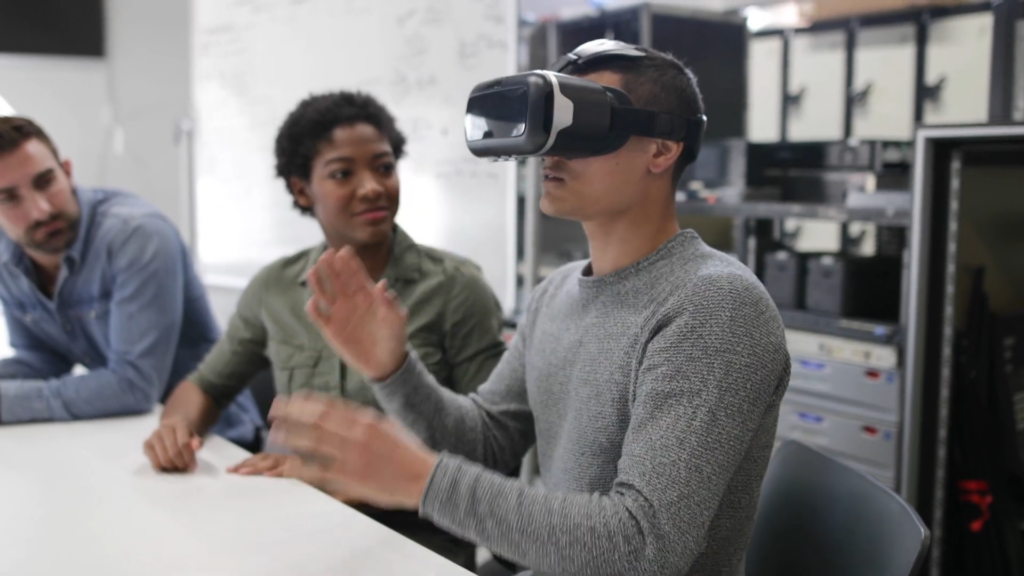
- The Visualisation, Virtual Reality and Graphic Interaction Research Group (ViRVIG) at the Universitat Politècnica de Catalunya - BarcelonaTech (UPC) has participated in the XR4ED project, an initiative that connects the educational technology (EdTech) and Extended Reality (XR) sectors, with the aim of transforming learning and training across Europe.
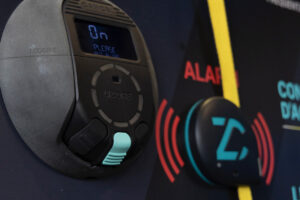
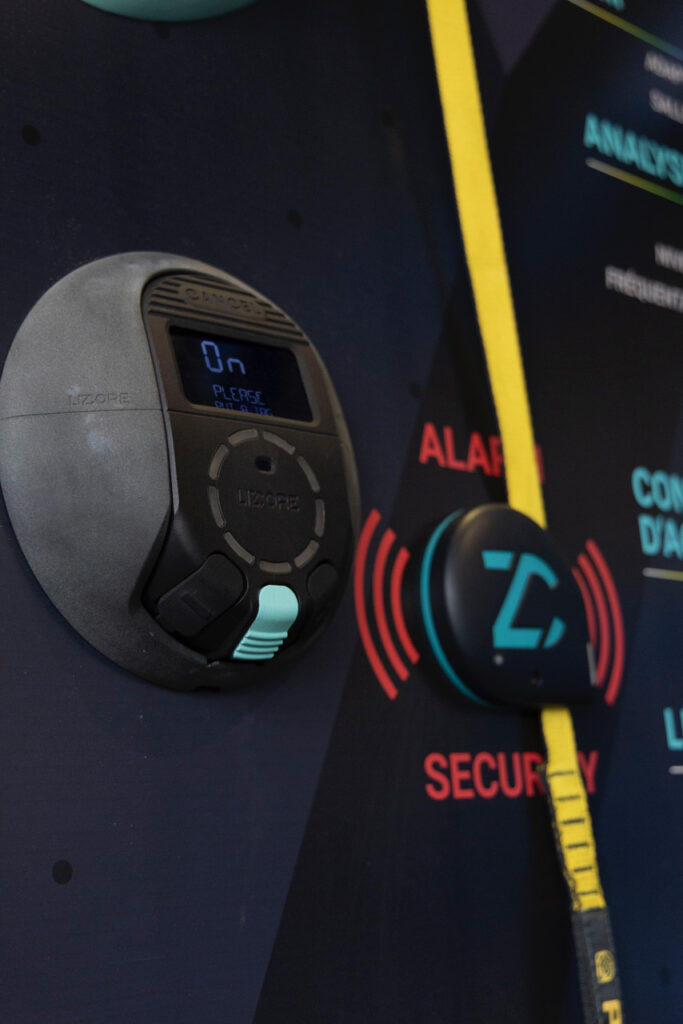
- The inLab FIB at the UPC has collaborated with Lizcore® for the development of a proof of concept based on artificial intelligence to improve safety in climbing with autobelay devices. The system allows the automatic and accurate detection of risk situations before starting a route.
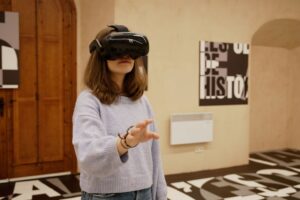
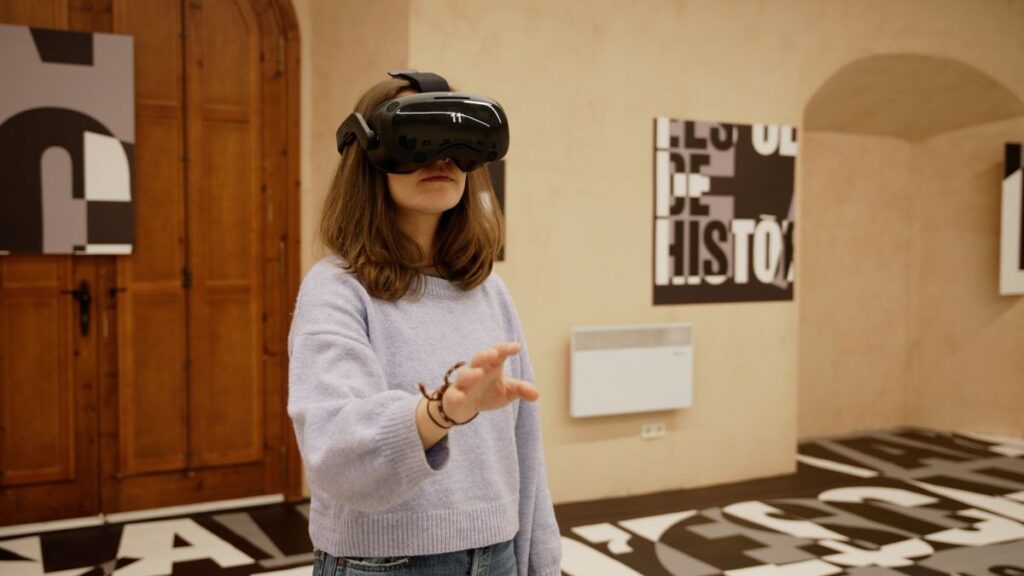
- Researchers from the Centre for Image and Multimedia Technology of the UPC (CITM) and from the DiCode research group (Digital Culture and Creative Technologies Research Group) of the Universitat Politècnica de Catalunya – BarcelonaTech (UPC) have worked on the project The Eyes of History, an initiative of the Catalan Agency for Cultural Heritage that offers an immersive view of Catalan cultural heritage. It is especially aimed at the first and second cycles of secondary education and was created to bring heritage into the classroom. Its goal is to bring the history and monuments of Catalonia closer in a vivid and innovative way, using tools such as virtual reality and new museographic narratives.
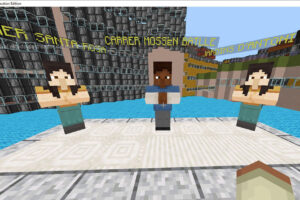
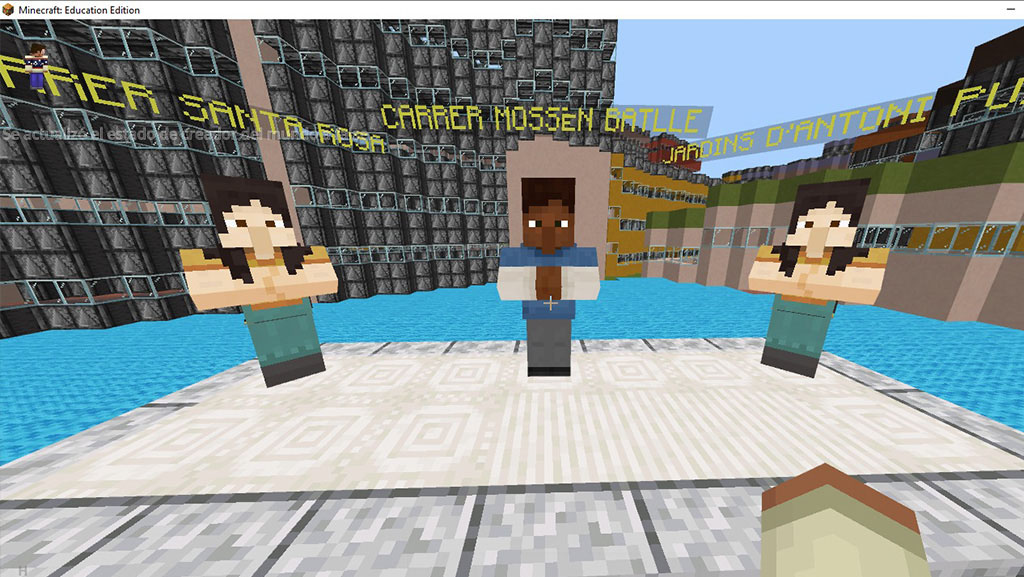
- City and Play is a social action project coordinated by researchers from the Centre for Image and Multimedia Technology (CITM) and the DiCode research group (Digital Culture and Creative Technologies Research Group) of the Universitat Politècnica de Catalunya – BarcelonaTech (UPC), the Universitat Oberta de Catalunya (UOC) and the University of Barcelona (UB), and funded by Barcelona City Council. The aim of the project is to promote civic competences and reflection on the urban environment among adolescents through the creation of an open framework that uses methodologies based on play, co-creation and storytelling.