

Energy information in digital administration: design of a model of Building Renovation Passport based on BIM and Blockchain
October 11, 2023
ROB-IN: Robots for continual personalised assistance that can explain themselves
October 19, 202316/10/2023
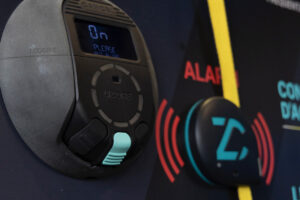
Researchers from the Electronic and Biomedical Instrumentation (IEB) group of the Biomedical Engineering Research Centre (CREB) at the UPC are working with the company Detnov Security SL on a project to improve battery performance in fire detection systems.
Fires in buildings are a great threat due to the frequency of their occurrence and their consequences. They cause great concern and generate the need to adopt effective protection measures. Over the years, various technical solutions have been developed that enable both fire detection and prevention of damage.
Fire protection systems are equipped with batteries that ensure functioning in the case of power cuts. Usually, they contain lead-acid batteries with a power source that keeps them charged. However, traditional chargers have limitations in their capacity to accurately monitor the vital parameters of batteries, which can lead to inefficient charge patterns. This means that they have to be inspected and replaced frequently to avoid safety problems.
Through the incorporation of internet of things (IoT) technologies, battery chargers can use cloud computing to estimate battery parameters, optimise the charge and even introduce new functionalities such as the prediction of ageing. In addition, the incorporation of these technologies plays a key role in reducing the environmental impact associated with lead-acid batteries in fire detection systems, by increasing their useful life from 5 to 10 years.
Although the use of IoT in fire detection systems is increasing, there is still a lack of research on their use to prevent faults in the system. To address this shortfall, the research and development team of the company Detnov Security SL, in collaboration with the Biomedical Engineering Research Centre (CREB) at the Universitat Politècnica de Catalunya - BarcelonaTech (UPC), is working on a project to apply improvements in fire detection systems and to develop data gathering techniques focused on predicting battery performance.
The aim of the project is therefore to improve the management, reliability and preventive maintenance of batteries, by applying IoT techniques and data science to internal variables measured in these systems throughout their entire life cycle. The objective is to lengthen their useful life and reduce their environmental impact.
In particular, the aim is to undertake a study of all the unexploited data that are available in the network of fire protection systems, and a study of appropriate methods for gathering and transmitting these data, to improve the system’s features.
This project combines knowledge of the fire detection product, knowledge of the physical principles that govern the ageing of electronic components, and knowledge of data management, transmission and processing. In the project, sufficient information will be gathered to model the ageing of elements of the system, predict faults and enable the planning of preventive maintenance, to avoid corrective maintenance interventions as far as possible. In this way, the objective is to improve the focus of preventive maintenance, reduce travel and ensure that a building’s installations function under optimum conditions throughout the time that the system is in operation.
The project includes:
- Undertaking a study of the information available in the fire prevention systems that currently is not being used appropriately.
- Propose the variations in electronic circuits that are needed to access these data.
- Resolve challenges of gathering and transmitting measurements of interest.
- Process data obtained to gain information of interest.
- Generate improvements in maintenance and detection due to the data that are gathered.
Budget and funding
The research project ‘Smart sensing and monitoring of fire detection systems’ has a budget of €33,960, due to a grant awarded by the Catalan Government’s Agency for Management of University and Research Grants (AGAUR). The project has a three-year duration (December 2022 – December 2025).


Related Projects
- The Visualisation, Virtual Reality and Graphic Interaction Research Group (ViRVIG) at the Universitat Politècnica de Catalunya - BarcelonaTech (UPC) has participated in the XR4ED project, an initiative that connects the educational technology (EdTech) and Extended Reality (XR) sectors, with the aim of transforming learning and training across Europe.
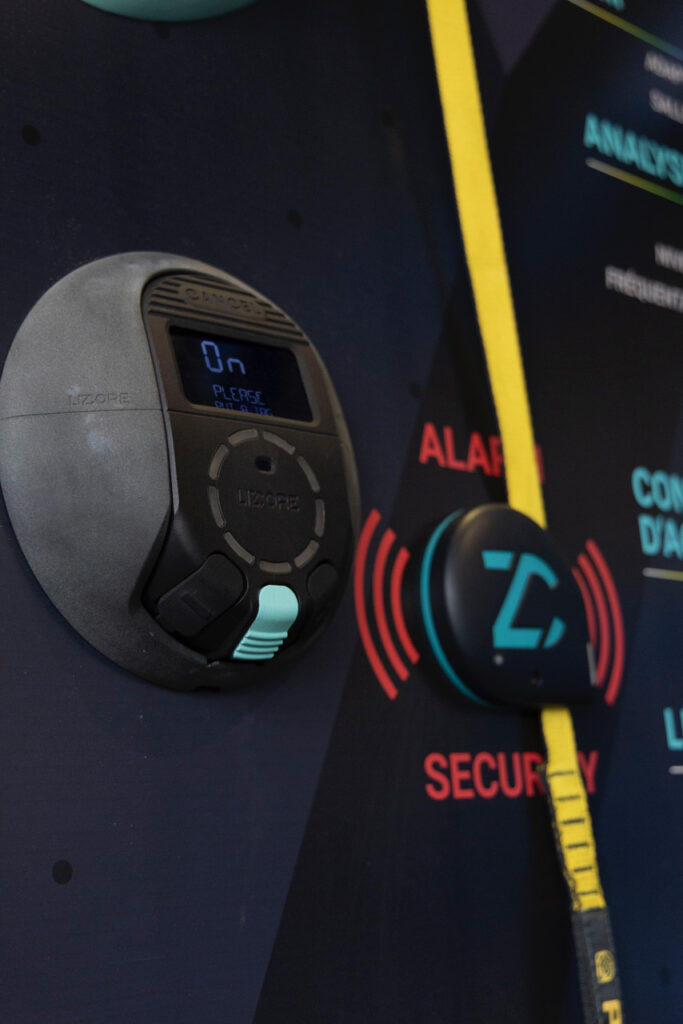
- The inLab FIB at the UPC has collaborated with Lizcore® for the development of a proof of concept based on artificial intelligence to improve safety in climbing with autobelay devices. The system allows the automatic and accurate detection of risk situations before starting a route.
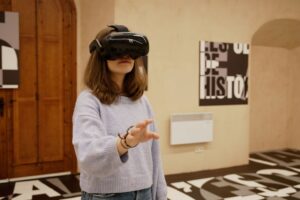
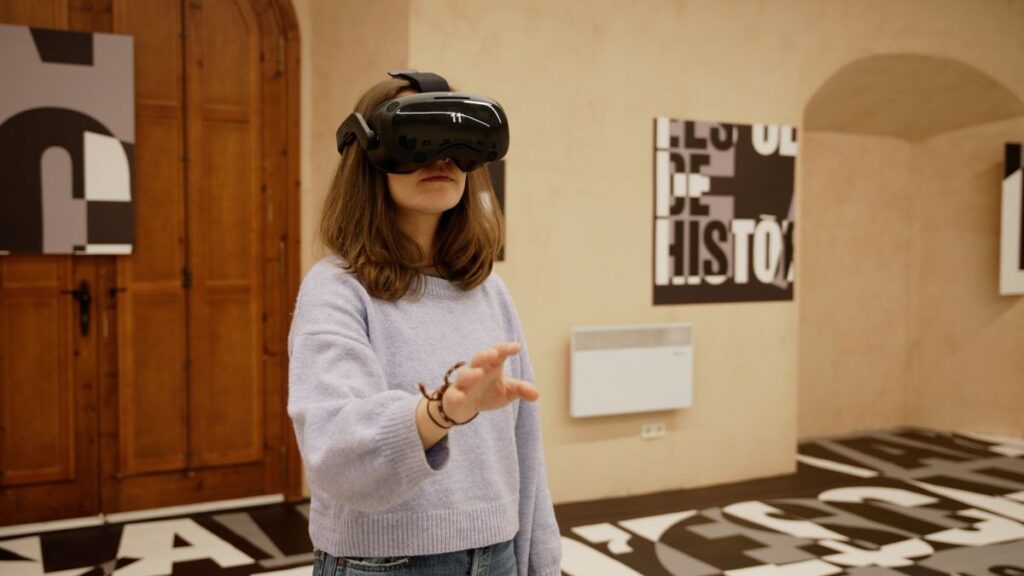
- Researchers from the Centre for Image and Multimedia Technology of the UPC (CITM) and from the DiCode research group (Digital Culture and Creative Technologies Research Group) of the Universitat Politècnica de Catalunya – BarcelonaTech (UPC) have worked on the project The Eyes of History, an initiative of the Catalan Agency for Cultural Heritage that offers an immersive view of Catalan cultural heritage. It is especially aimed at the first and second cycles of secondary education and was created to bring heritage into the classroom. Its goal is to bring the history and monuments of Catalonia closer in a vivid and innovative way, using tools such as virtual reality and new museographic narratives.
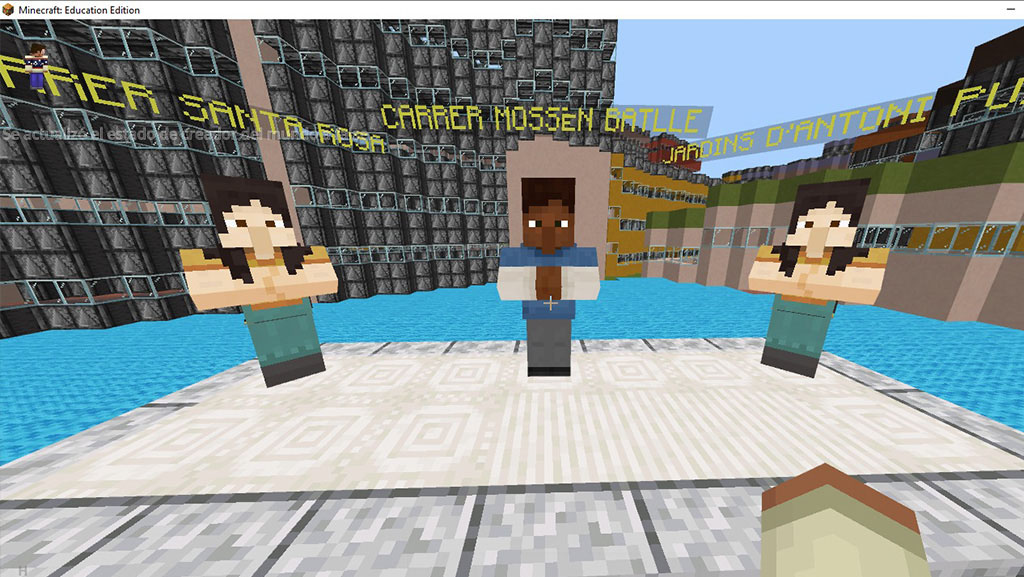
- City and Play is a social action project coordinated by researchers from the Centre for Image and Multimedia Technology (CITM) and the DiCode research group (Digital Culture and Creative Technologies Research Group) of the Universitat Politècnica de Catalunya – BarcelonaTech (UPC), the Universitat Oberta de Catalunya (UOC) and the University of Barcelona (UB), and funded by Barcelona City Council. The aim of the project is to promote civic competences and reflection on the urban environment among adolescents through the creation of an open framework that uses methodologies based on play, co-creation and storytelling.