

The most exceptional marine observatories, now more accessible
January 4, 2019
New technologies for the treatment and reuse of industrial wastewater
February 12, 2019Renewable Electrical Energy Systems (SEER UPC) is participating in the Sudoket project, to boost key Enabling Technologies -KETs for the construction of innovative buildings..

KETs can be applied in the construction sector to design and build innovative buildings that are more environmentally friendly, efficient, and competitive, with new and better features, to enhance quality of life. However, despite current regulations and technological advances, the construction sector still uses mainly conventional methods and technologies.
SUDOKET has four pilot projects to construct buildings in France, Spain and Portugal. The aim is to validate experimentally the advanced technological features used to construct innovative buildings, and to demonstrate the feasibility of using these features under real operating conditions.
In addition, SUDOKET promotes the research and development of new KET-based solutions in universities and research centres. Online collaborative information systems are developed such as KETpedia, to disseminate the state of the art in KETs, and KETcluster, an initiative designed to promote collaboration between agents (builders, manufacturers, designers, and technologists) by creating connections and synergies that help to improve the quality and competitiveness of the sector.
SUDOKET will contribute to boosting growth and Europe’s technological leadership of the innovative building sector. This will be achieved through a transnational, cutting-edge approach to the promotion of new technologies and the interaction between key agents in the value chain.
The project, with a budget of 2 million euros, will last 37 months and end in February 2021. In addition to SEER UPC, twelve participants are involved, including the Heat and Mass Transfer Technological Center (CTTC UPC), which is also a CIT UPC member.
The construction sector represents 10% of GDP in the EU and generates 20 million jobs. Buildings are responsible for 40% of energy consumption and 36% of CO2 emissions in Europe.
Related Projects
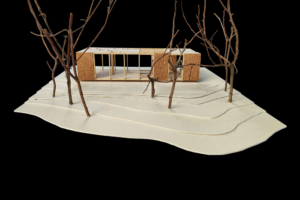
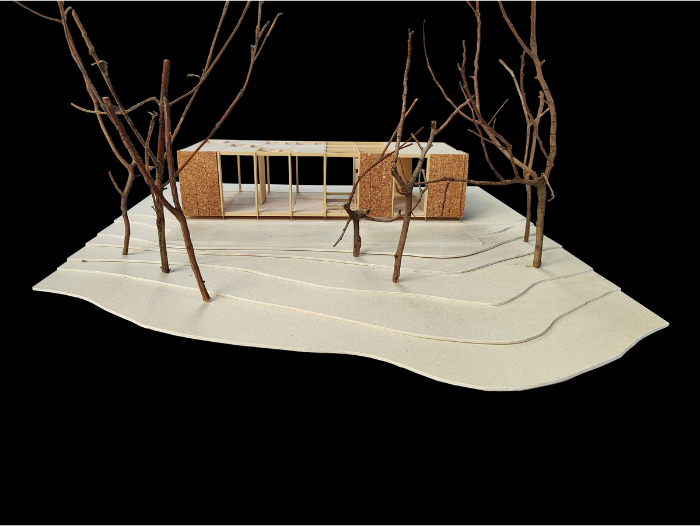
- The Casa Bosc project explores a lightweight, modular and prefabricated timber construction system designed to reduce the environmental impact of housing while making it easier to build and adapt to different contexts. The project has been developed by researchers from the Architectural Rehabilitation and Restoration Research Group (REARQ) at the Universitat Politècnica de Catalunya - BarcelonaTech (UPC) and the company ÀGORA.
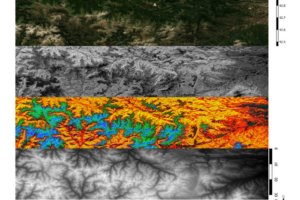
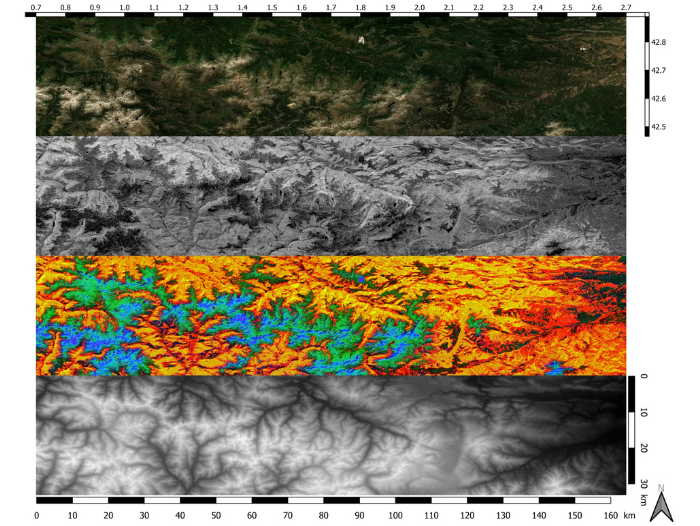
- Un equip de recerca de la UPC, integrat pel CommSensLab-UPC i el Remote Sensing Lab (RSLAB) de la Universitat Politècnica de Catalunya - BarcelonaTech (UPC), juntament amb l’Institut d’Estudis Espacials de Catalunya (IEEC), ha participat en el projecte AI4EO, amb l’objectiu d’impulsar solucions i posar en pràctica eines d’intel·ligència artificial aplicades a dades d’observació de la Terra en diversos casos d’ús sobre el territori català.
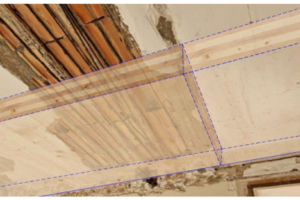
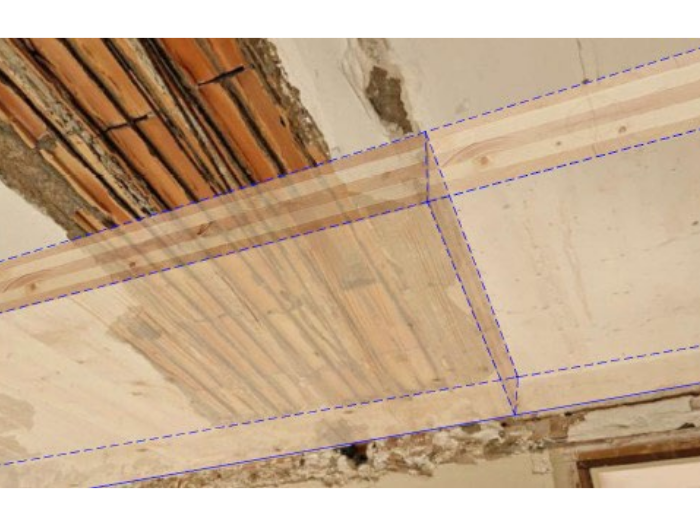
- Researchers from the Architecture, Energy and Environment research group (AiEM) and the Design and Analysis of Architectural Structures research group of the Department of Architectural Technology (DiCEA), which are part of the Centre for Research and Services for the Local Administration (CRAL) at the Universitat Politècnica de Catalunya - BarcelonaTech (UPC), have developed an innovative system for the structural strengthening of ceramic floor slabs using stress-activated timber, designed to intervene in occupied buildings in a fast, sustainable and replicable manner.
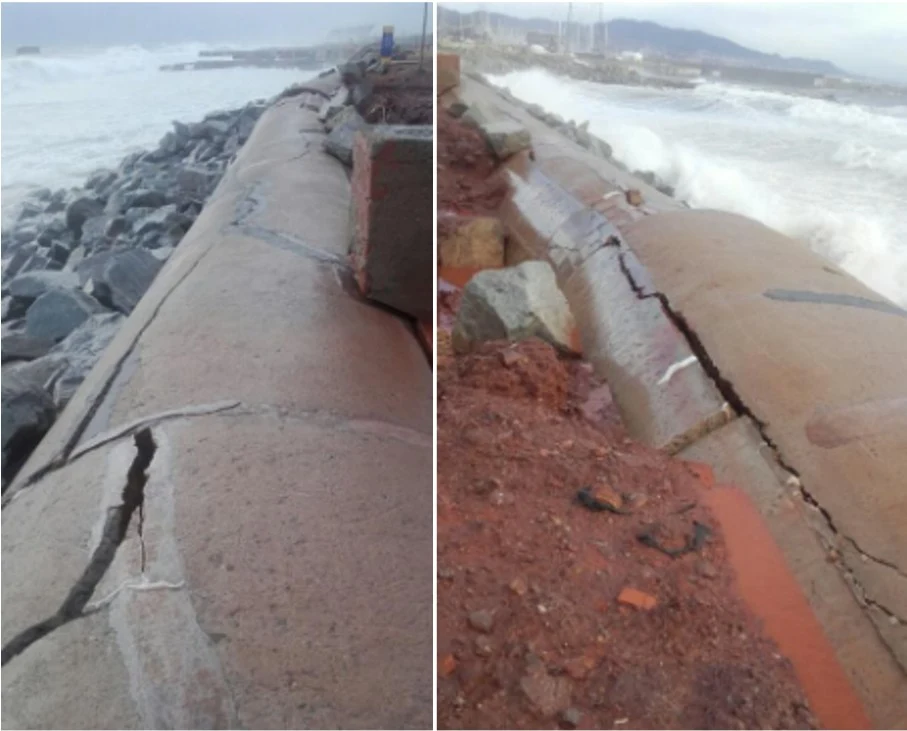
- A team of researchers led by the FLUMEN Research Institute at the Universitat Politècnica de Catalunya - BarcelonaTech (UPC) has participated in the European ICARIA project. Its aim is to develop tools and risk maps that enable public authorities and infrastructure managers to anticipate the impacts of extreme climate events and make adaptation decisions on a more robust technical basis.