


Algorithms to achieve sustainable growth in the leisure marine sector
January 4, 2019
New technologies for more efficient, environmentally friendly buildings
January 4, 2019The Technological Development Centre of Remote Acquisition and Data Processing Systems (SARTI UPC) has concluded its participation in FixO3 (Fixed point Open Ocean Observatory), a European project whose objectives are integration and standardisation of European ocean observatories and making these exceptional facilities accessible to society. The aim of the observatories is to provide multidisciplinary measurements of oceans, from the seabed to the interface between the ocean and the atmosphere.
During FixO3, SARTI UPC centralised demands for use of the OBSEA marine observatory (on the seabed off the coast of Vilanova i la Geltrú, Barcelona province). Projects undertaken at OBSEA included corrosion studies, comparisons of current measuring instruments, and evaluations of acoustic communication systems., one notable project is Fishout which assessed new submarine image processing techniques for observing and analysing macrofauna.. Thus, manufacturers and designers could assess the behaviour of their equipment in the sea, under continuous, real-time supervision provided by OBSEA. Some of the results have been published in Nature. Nature.
The FixO3 project encompassed coordination activities to integrate and standardise processes and procedures. It provided support to access infrastructures, data services, and free products, and to undertake research initiatives that improve the capacity for multidisciplinary ocean observation.
FixO3 was coordinated by the National Oceanography Centre (United Kingdom) based on the results of other projects in the 7th Framework Programme (EuroSIRES, ESONET, and CARBOOCEAN). FixO3 involved the participation of 29 partners from academic institutions, research centres, and SMEs. It received funding of 7 million euros and lasted 4 years.
Technology
You want to know more?
Related Projects
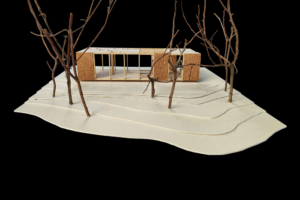
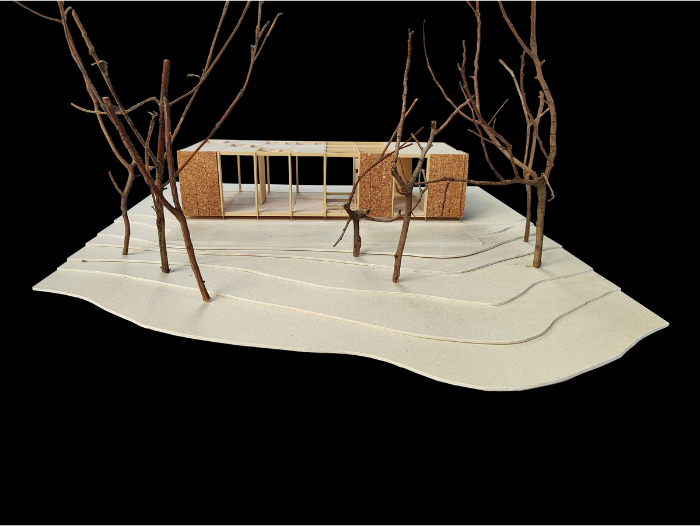
- The Casa Bosc project explores a lightweight, modular and prefabricated timber construction system designed to reduce the environmental impact of housing while making it easier to build and adapt to different contexts. The project has been developed by researchers from the Architectural Rehabilitation and Restoration Research Group (REARQ) at the Universitat Politècnica de Catalunya - BarcelonaTech (UPC) and the company ÀGORA.
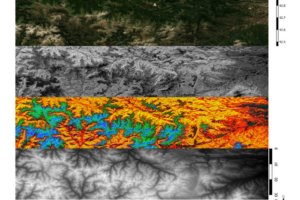
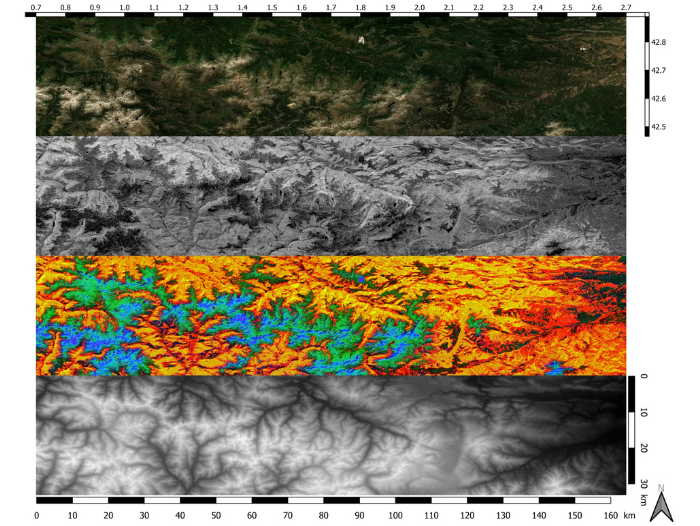
- Un equip de recerca de la UPC, integrat pel CommSensLab-UPC i el Remote Sensing Lab (RSLAB) de la Universitat Politècnica de Catalunya - BarcelonaTech (UPC), juntament amb l’Institut d’Estudis Espacials de Catalunya (IEEC), ha participat en el projecte AI4EO, amb l’objectiu d’impulsar solucions i posar en pràctica eines d’intel·ligència artificial aplicades a dades d’observació de la Terra en diversos casos d’ús sobre el territori català.
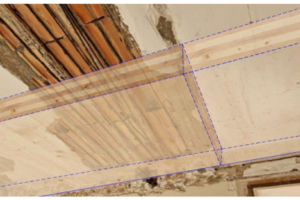
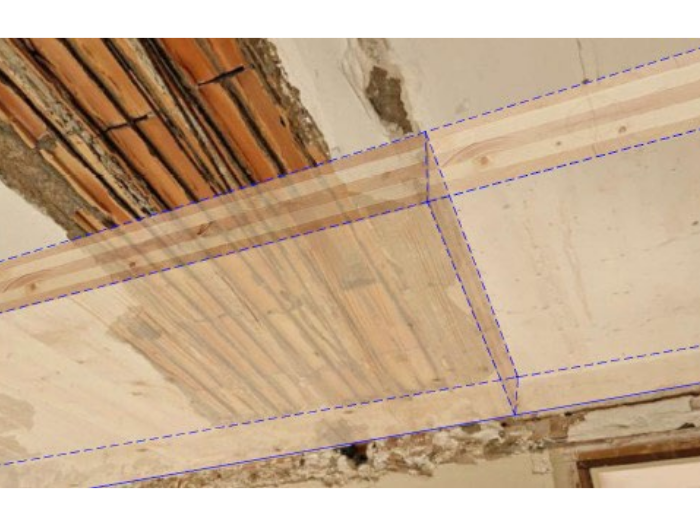
- Researchers from the Architecture, Energy and Environment research group (AiEM) and the Design and Analysis of Architectural Structures research group of the Department of Architectural Technology (DiCEA), which are part of the Centre for Research and Services for the Local Administration (CRAL) at the Universitat Politècnica de Catalunya - BarcelonaTech (UPC), have developed an innovative system for the structural strengthening of ceramic floor slabs using stress-activated timber, designed to intervene in occupied buildings in a fast, sustainable and replicable manner.
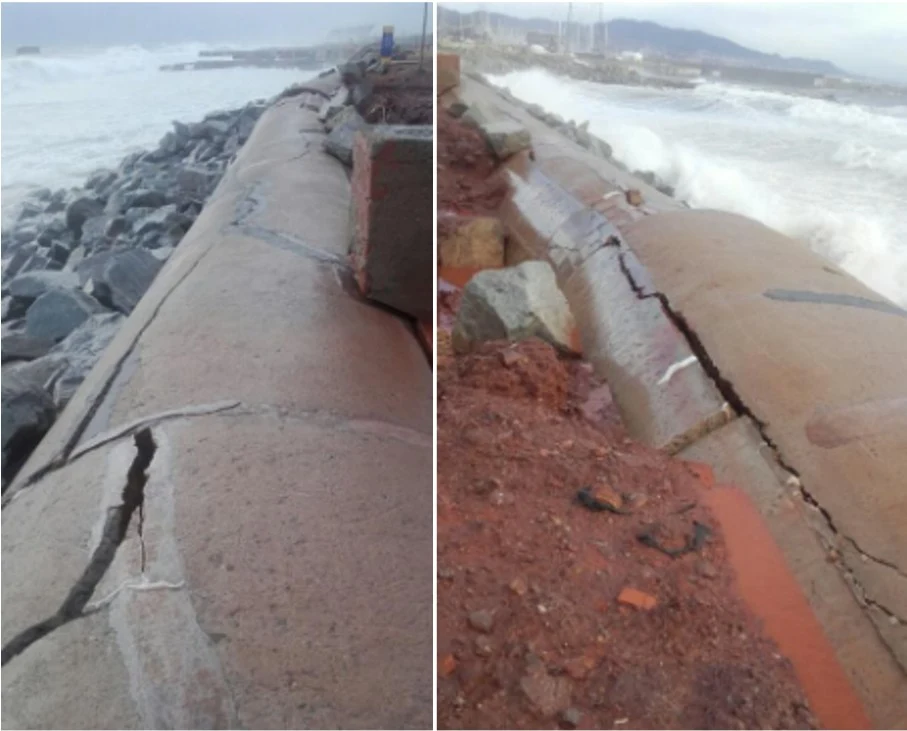
- A team of researchers led by the FLUMEN Research Institute at the Universitat Politècnica de Catalunya - BarcelonaTech (UPC) has participated in the European ICARIA project. Its aim is to develop tools and risk maps that enable public authorities and infrastructure managers to anticipate the impacts of extreme climate events and make adaptation decisions on a more robust technical basis.