

Recap of the conference Advanced materials for construction
May 11, 2022
CIT UPC co-organizes the conference Door-to-door mobility
May 17, 2022Recap of the conference Advanced materials for construction
May 11, 2022CIT UPC co-organizes the conference Door-to-door mobility
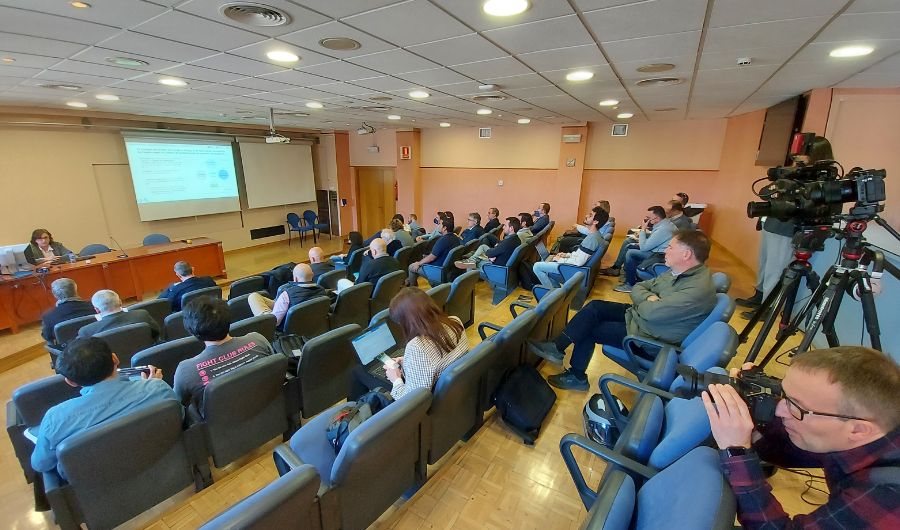
May 17, 2022On Tuesday 26 April, the conference Advanced materials for construction took place. This conference was organised by the Technology Center of the Universitat Politècnica de Catalunya, along with CIM UPC at the Terrassa School of Industrial, Aerospace and Audiovisual Engineering (ESEIAAT UPC).
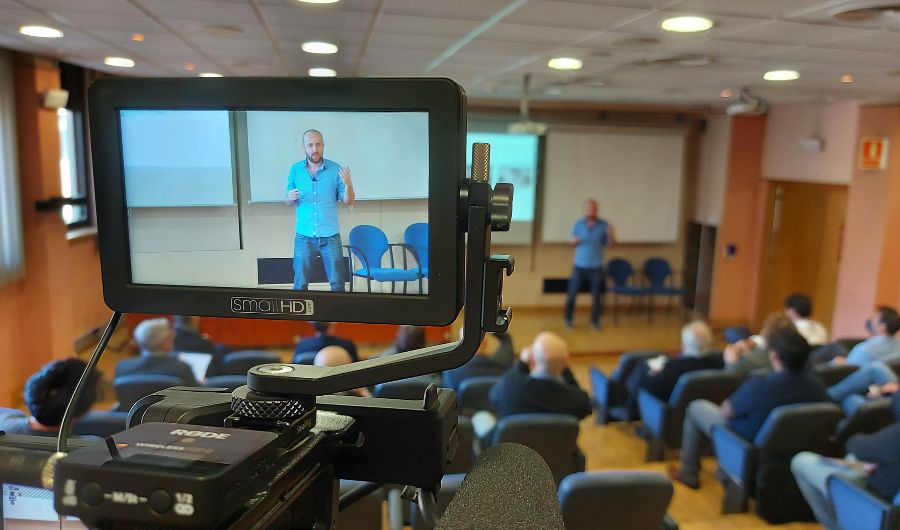
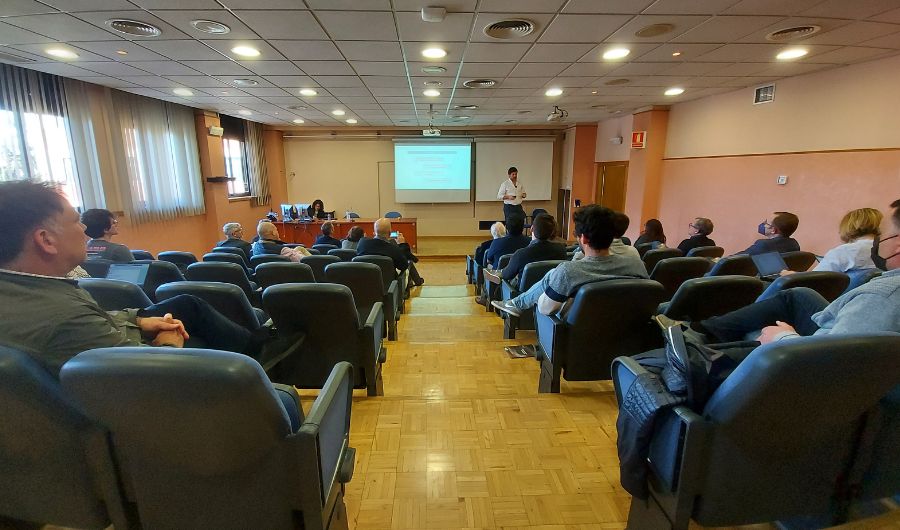
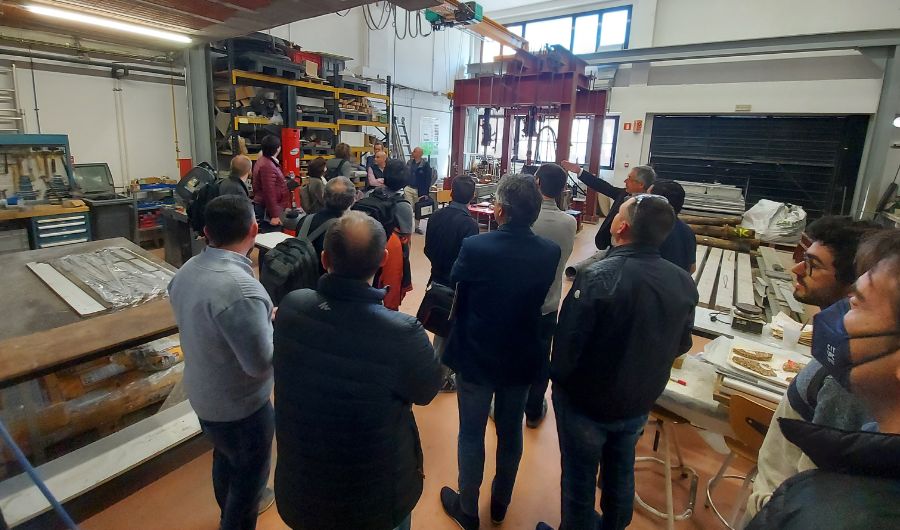
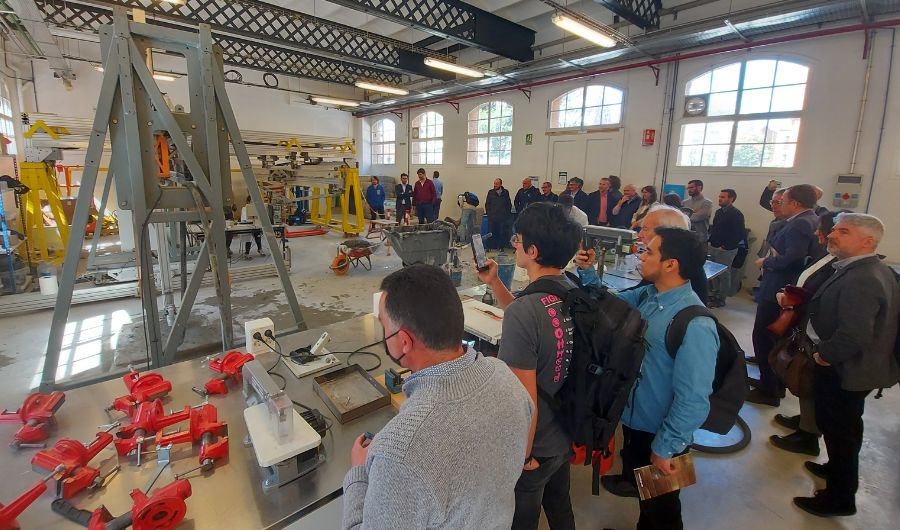
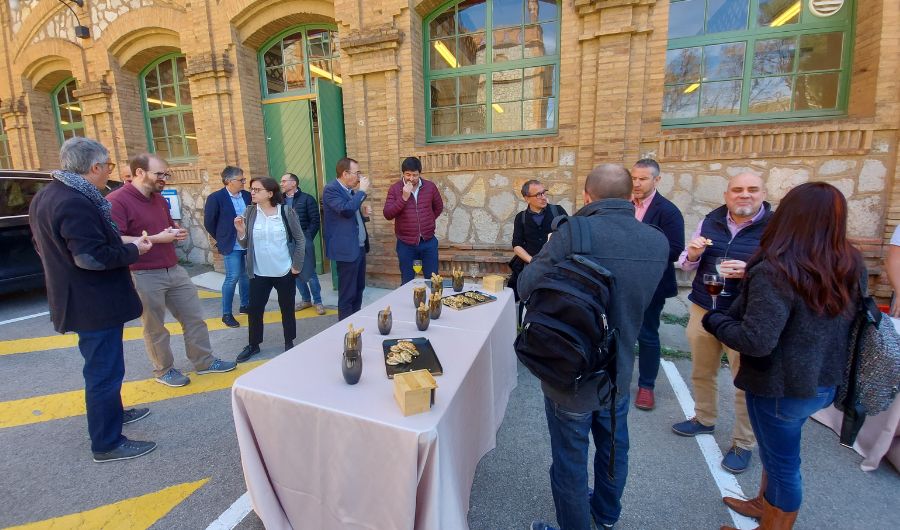
Over 30 participants from the construction sector attended a conference that included five presentations, a round table, a visit to additive manufacturing facilities and laboratories of ESEIAAT UPC and a final networking aperitif.
UPC technology, key to transformation in the sector
“The construction sector needs to enter the twenty-first century, both technologically and socially.” Xavier Roca, director of the Terrassa School of Industrial, Aerospace and Audiovisual Engineering opened the conference with this statement.
The sector is evolving towards new building technologies and new materials, to meet regulatory directives and to increase competitiveness in the market. To address the challenges of transformation that are faced, a commitment must be made to sustainable solutions. All parties involved must be able to overcome the deeply rooted conventionalism of the sector.
The presentations by UPC researchers showed how alternative pathways exist and that they have been validated in terms of efficacy and security.
Taking the path towards sustainability and industrialisation
During her presentation Analysis of the applicability of concrete and mixed recycled aggregates in the manufacture of durable concrete, Miren Etxeberria from the research group Analysis and Technology of Structures and Materials (ATEM UPC) showed the feasibility of using recycled aggregates (a component of concrete), construction and demolition waste from existing works to produce new, very high quality concretes. “Thirty per cent of the waste that is generated in the European Union comes from construction. The key for the transformation of the sector is industrialisation, especially digital, and the use of recycled resources. Sustainability involves universalising the use of recycled elements to generate new raw material.”
Louison Poudelet, from CIM UPC, added that, to reduce the global impact of this sector, the future of construction should consider additive manufacturing technologies or 3D printing. With these, the sector would save energy, resources and material costs and contribute in a real, positive way to the environment and energy efficiency. To disseminate its use, he stated, it is important to respond to considerable technological challenges, and to ensure the standards of mechanical resistance in structural applications and standards of uniformity in the material composition.
Finally, through the presentation by Lluís Gil, from the Centre for Advanced Technologies in Mechanics (CATMech UPC), positive results in the use of natural fibres and waste were presented to give new properties to structural cements, meeting specific needs of elasticity, deformation and acoustic insulation.
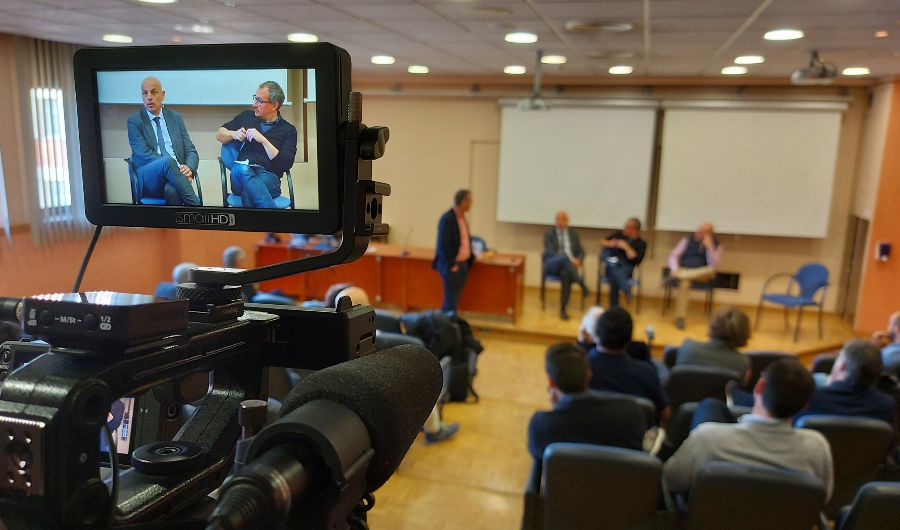
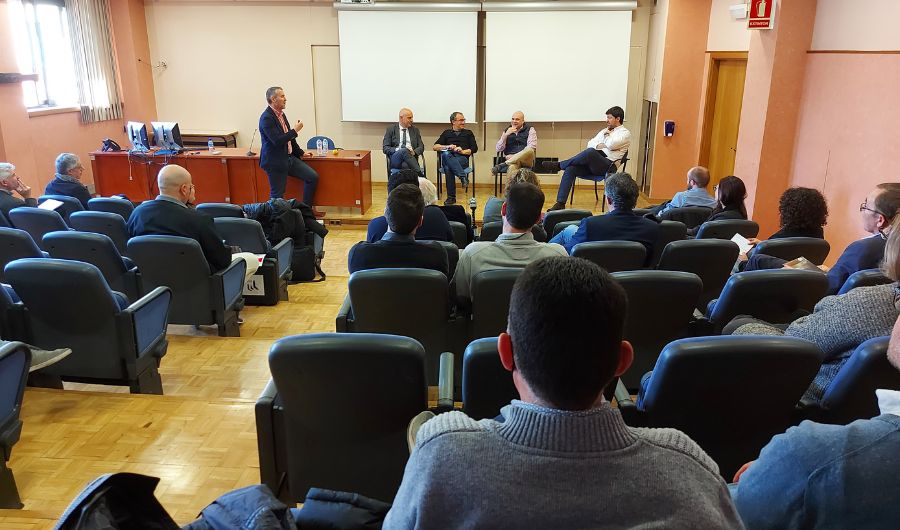
After the first part of the presentations, a round table was held in which different perspectives were brought together from the areas of research, design, architecture and construction through the participation of companies VIAS, Escofet and Lagula Arquitectes, and the Construction Engineering group of the Universitat Politècnica de Catalunya.
The key aspect of the debate, chaired by Roger Uceda, director of the technology transfer area of CIM UPC, was the need to industrialise construction, digitalise it and increase quality standards. At the same time, a commitment must be made to new more sustainable, safer materials.
Networking for future collaborations
At the end of the day, attendees could visit the additive manufacturing laboratories and facilities of ESEIAAT UPC, a tour that ended with a networking aperitif.
Related Projects
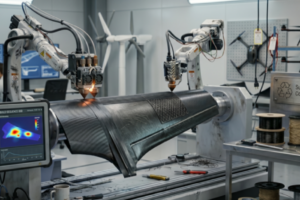
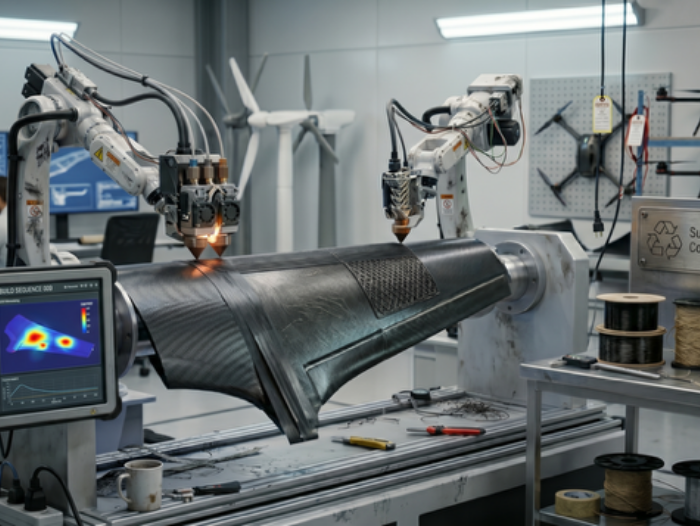
- The Control, Data and Artificial Intelligence (CoDAlab) research group at the Universitat Politècnica de Catalunya - BarcelonaTech (UPC) is taking part in the ATHENS project, which is developing recyclable thermoplastic composite materials with advanced real-time monitoring systems to improve the manufacture, safety and service life of lightweight structures.
- The MICROTECH LAB - Microtechnology for the Industry research subgroup, part of the Centre for Advanced Technologies in Mechanics (CATMech) at the Universitat Politècnica de Catalunya - BarcelonaTech (UPC), is leading the technical development of a minimally invasive platform to monitor biomarkers and physiological indicators related to stress and emotional wellbeing.
- A research team from the Universitat Politècnica de Catalunya - BarcelonaTech (UPC) has participated in the M3LEC project, coordinated by the Centro de Astrobiología (CAB), a joint centre of the Spanish National Research Council (CSIC) and the Instituto Nacional de Técnica Aeroespacial (INTA), with the Universidad de Sevilla (US) / Instituto de Microelectrónica de Sevilla (IMSE) also participating. M3LEC aimed to contribute to the characterisation of the Martian atmosphere and meteorology, and to investigate new instrumentation for future planetary exploration missions.
- The Interdisciplinary Group on Building Science and Technology (GICITED) and the Energy, Catalysis, Process and Reaction Engineering (ENCORE) research group at the Universitat Politècnica de Catalunya - BarcelonaTech (UPC) are participating in the European ArchiSpace project, to develop infrastructure prototypes for human settlements in extraterrestrial environments using materials and conditions analogous to those on the Moon and Mars.