

POWERTWIN. A digital twin to improve energy efficiency, comfort and use of buildings
December 22, 2022
SOPHOS: Natural, sustainable solutions to capture and recycle phosphorus in the agricultural sector
December 22, 202222/12/2022
Agricultural robotics is currently an emerging sector. Although initiatives to automate farming tasks are beginning to emerge, most of them are in the United States and Central Europe, and are still in early stages in our environment. Most automation proposals involve autonomous mobility, although they are not focused on integration with standard tools.
In this context, agroMOBY has been established. This is a project developed by the Center for Industrial Equipment Design (CDEI) of the Universitat Politècnica de Catalunya - BarcelonaTech (UPC). The aim is to improve the financial results of agricultural operations, and facilitate reorganisation and modernisation, to increase their focus on the market and agricultural diversification, and to achieve a more efficient use of energy in agriculture and the transformation of foodstuffs.
The main aim of agroMOBY is to transfer to the agricultural sector an innovative mobile robotics technology called MOBY, which has already been validated in the industrial sector. The project will enable the advantages to be exported to the agricultural sector. An all-terrain, electric, autonomous, omnidirectional robot of approximate dimensions 110 x 110 x 40 cm will be developed for flexible uses, for example as a cargo vehicle for farm logistics, autonomous harvesting, inspection and pest detection systems or crop monitoring, among others. It can be integrated with other applications.
Initially, it will be tested for autonomous cargo transport (tools and harvest) in interior horticulture and vineyards.
Due to the use of standard wheels, the technology is not limited to functioning on smooth surfaces. It can adapt to steep land or farms with small modifications. The drive, watertightness, outside navigation and omnidirectional behaviour on difficult ground are the most relevant features that will be tested in a real environment.
Results and expected impact
AgroMOBY paves the way for the use of small autonomous robots that can navigate on farms, doing specific localised tasks, from the inspection to the application of plant health products, or monitoring the stage of crop maturity. They could help to prevent and fight pests and favour sustainable consumption of resources. In the same line, the use of fleets of mobile robots will enable automation harvesting tasks and logistics for high-quality harvests and will reduce waste. In turn, it will increase the quality and safety of foods. These robots could replace heavy tractors with combustion engines that, in addition to emitting greenhouse gases, compact farmland and have negative effects on production and soil quality.
These new elements, combined with data acquisition technology and artificial intelligence, will increase the degree of energy optimisation and achieve much more efficient use of energy resources. With all this, agroMOBY is proposed as a base technology with a high potential to transform the production system and improve current processes through automation and digitalisation of the sector. This will result in an improvement in the financial performance of its production systems and facilitate the introduction of flexible systems that enable agricultural diversification of a farm.
Budget and funding
The project has been funded through the call for Grants for technology transfer demonstration activities, Catalan Rural Development Programme 2014-2022 (PDR 2014-2022) of the Government of Catalonia’s Ministry of Climate Action, Food and Rural Agenda. AgroMOBY has a total budget of €49,920.44 and will last 22 months (from June 2022 to March 2024).



Activity financed through Operation 01.02.01 for Technology Transfer of the Rural Development Programme of Catalonia 2014-2022.
Related Projects
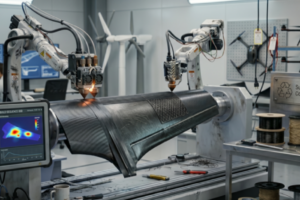
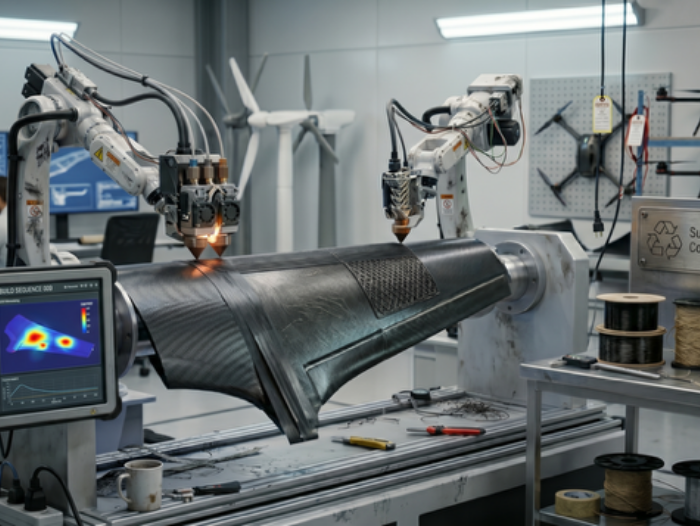
- The Control, Data and Artificial Intelligence (CoDAlab) research group at the Universitat Politècnica de Catalunya - BarcelonaTech (UPC) is taking part in the ATHENS project, which is developing recyclable thermoplastic composite materials with advanced real-time monitoring systems to improve the manufacture, safety and service life of lightweight structures.
- The MICROTECH LAB - Microtechnology for the Industry research subgroup, part of the Centre for Advanced Technologies in Mechanics (CATMech) at the Universitat Politècnica de Catalunya - BarcelonaTech (UPC), is leading the technical development of a minimally invasive platform to monitor biomarkers and physiological indicators related to stress and emotional wellbeing.
- A research team from the Universitat Politècnica de Catalunya - BarcelonaTech (UPC) has participated in the M3LEC project, coordinated by the Centro de Astrobiología (CAB), a joint centre of the Spanish National Research Council (CSIC) and the Instituto Nacional de Técnica Aeroespacial (INTA), with the Universidad de Sevilla (US) / Instituto de Microelectrónica de Sevilla (IMSE) also participating. M3LEC aimed to contribute to the characterisation of the Martian atmosphere and meteorology, and to investigate new instrumentation for future planetary exploration missions.
- The Interdisciplinary Group on Building Science and Technology (GICITED) and the Energy, Catalysis, Process and Reaction Engineering (ENCORE) research group at the Universitat Politècnica de Catalunya - BarcelonaTech (UPC) are participating in the European ArchiSpace project, to develop infrastructure prototypes for human settlements in extraterrestrial environments using materials and conditions analogous to those on the Moon and Mars.