

CELLECOPROD: Transformation of cellulosic materials into advanced, eco-friendly bioproducts
April 24, 2024
TELEBREATH: Smart textiles to improve monitoring of respiratory and associated diseases in vulnerable groups
April 30, 202429/04/2024
The Agricultural Machinery Unit (UMA) at the Universitat Politècnica de Catalunya - BarcelonaTech (UPC) participated in the CULTISENSOR project to design, manufacture and validate a sensing subsoiler prototype for soil decompaction. This instrument allows mapping and interpretation of the physical conditions of soil when fieldwork activities are being carried out.
The prototype has a platform to capture data so that the information collected in the field can be centralised and operations traced.
The goal was to digitalise a subsoiler, an agricultural tool capable of breaking and aerating the subsoil without overturning the topsoil layer. A subsoiler is valuable for working in areas where the soil is more compacted due to the constant passage of heavy machinery or because of natural processes. Digitalisation provides electronic control and enables mapping of the soil resistance, which is expected to be related to its compaction. Installing a pressure sensor allows variations in the oil pressure of the subsoiler's hydraulic pistons to be collected. These variations can be monitored by taking geolocated records second by second, which indirectly provides a map of the soil's resistance to advancement.
Consortium, budget and financing
The project was led by the FEMAC Cluster, with the collaboration of the INNOVI Cluster. It involved companies from the FEMAC cluster, WAATIC Company SL, JYMPA FUTURAGRO SL and AKIS INTERNATIONAL SL as developers of the technological solution, and the EUDALD MASSANA winery as an end user.
The project started in May 2023 and finished in April 2024. It was financed with funds from the Recovery, Transformation and Resilience Plan (Ministry of Industry, Energy and Tourism), within Support for Innovative Business Associations Grants, aimed at increasing the competitiveness of small and medium-sized enterprises. The budget was 19,361 euros.


Related Projects
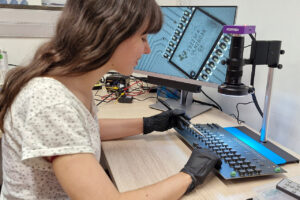
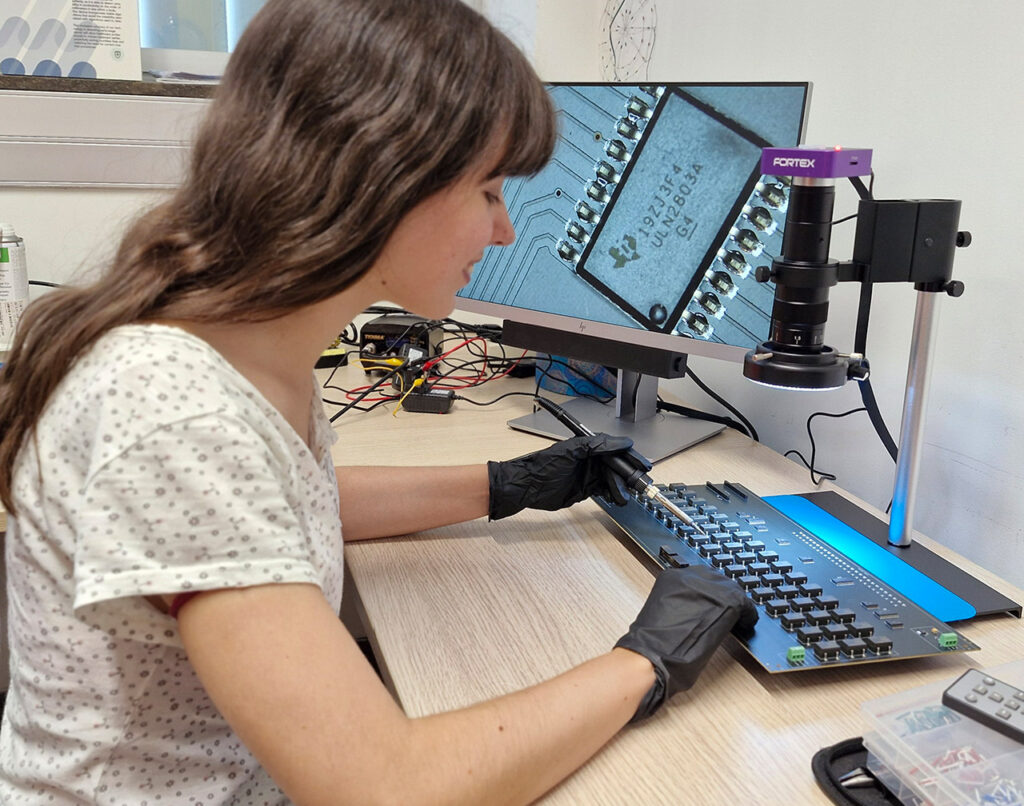
- A team from the Matrix Analysis and Discrete Potential Theory (MAPTHE) research group at the Universitat Politècnica de Catalunya - BarcelonaTech (UPC), and the Department of Mathematics at CUNEF Universidad in Madrid, have participated in the development of MARIA, a prototype of a portable, flexible and radiation-free device designed to improve the early detection of breast cancer. The device can identify tumours through electrical conductivity, with the aim of enabling its future use in primary care settings.
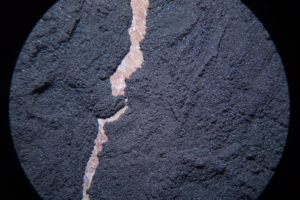
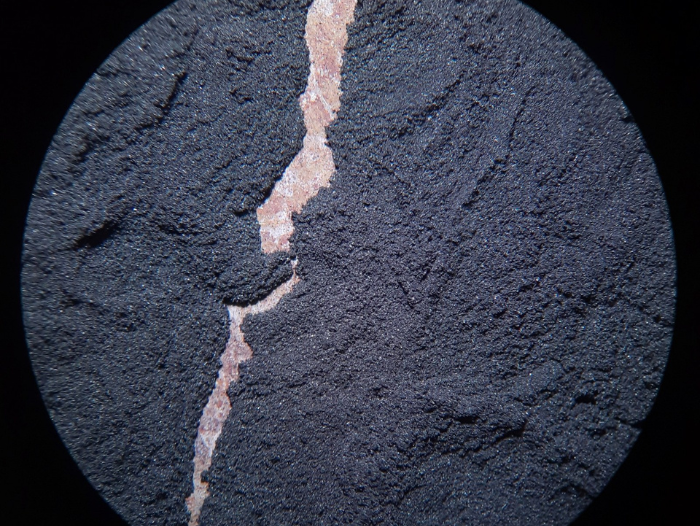
- The Research Group in Smart and Sustainable Resources and Industries (RIIS) at the Universitat Politècnica de Catalunya - BarcelonaTech (UPC) is developing the ZeroCarbonPave project, which aims to assess the feasibility of incorporating biochar as filler and/or as the fine fraction of granular material in bituminous mixtures, with the objective of reducing the carbon footprint associated with the manufacture and laying of road pavements.
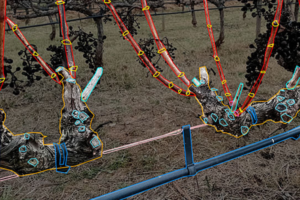
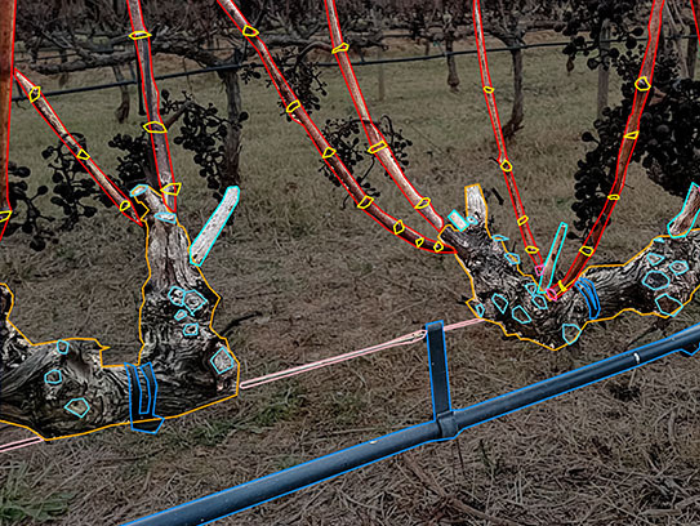
- The Center for Industrial Equipment Design (CDEI-UPC) at the Universitat Politècnica de Catalunya - BarcelonaTech (UPC) is participating in a cross-border project aimed at promoting the use of advanced digital technologies in viticulture in regions on both sides of the Pyrenees. The initiative seeks to improve specialist training, technical advice and decision-making in vineyard management.
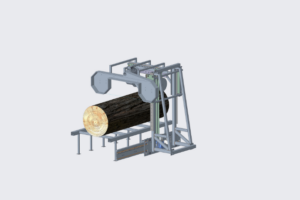
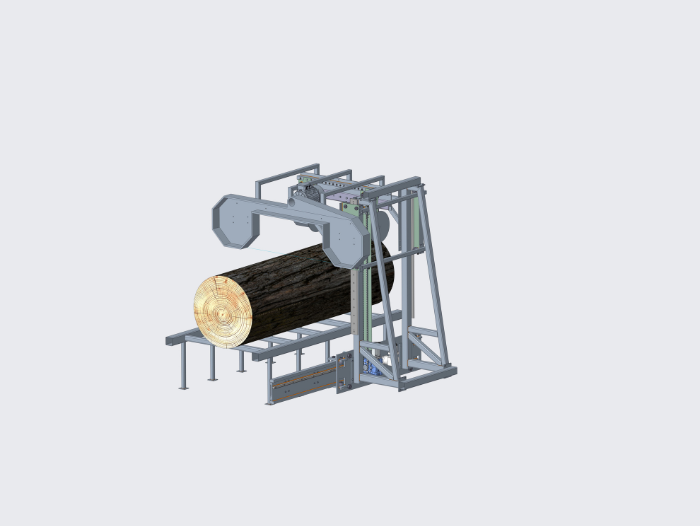
- The Centre for Industrial Equipment Design (CDEI) at the Universitat Politècnica de Catalunya - BarcelonaTech (UPC), together with the IRI, Institut de Robòtica i Informàtica Industrial (CSIC-UPC), is participating in the development of a pre-commercial prototype of an automatic portable sawmill that integrates computer vision, artificial intelligence and computer numerical control to improve productivity, efficiency and safety in local wood processing for the company Envall Coop. S.L.