

Ultra-low consumption radio receivers
February 1, 2020
A robotic wheelchair helps to improve the physical condition of people with duchenne muscular dystrophy
February 1, 2020The Optical Communications Group (GCO) at the UPC leads the ALLIANCE B project to design an optimised optical network infrastructure for rolling out 5G applications. It must be capable of interconnecting anything (for example, people, things, processes and contents) in any place, through a set of network services that really meet communication requirements (in terms of bandwidth, latency, reliability, etc.).

These network services must be orchestrated end-to-end over several segments or sections of the network and computational resources (IT) with varying characteristics. The aim is to ensure high scalability and reactivity in the face of unexpected traffic and resource state changes in an energy-efficient way.
In ALLIANCE B, new transmission techniques have been researched based on advanced modulation formats to optimise spectral efficiency and energy consumption throughout the optical network. This creates a high capacity, flexible optical network that can support the establishment of 5G services. In addition, optical network infrastructures that are spectrally flexible (in signal commutation) are being investigated, with ultra-high capacity compared to current optical systems.
The project has also focused on architectures and technologies for the control and management of virtualised infrastructure resources for optimal provision of end-to-end services.
ALLIANCE-B works on the design and implement management and orchestration solutions based on cognitive techniques to guarantee the quality of service (QoS) and quality of experience (QoE) of services that are rolled out. One ambitious objective of ALLIANCE-B has been to design and implement machine learning-based techniques for optimal end-to-end service provision.
The project lasts three years (January 2018 to September 2021) and has received 91 million euros of funding from the RETOS programme of the Ministry of Science, Innovation and Universities.
Technology
You want to know more?
Related Projects
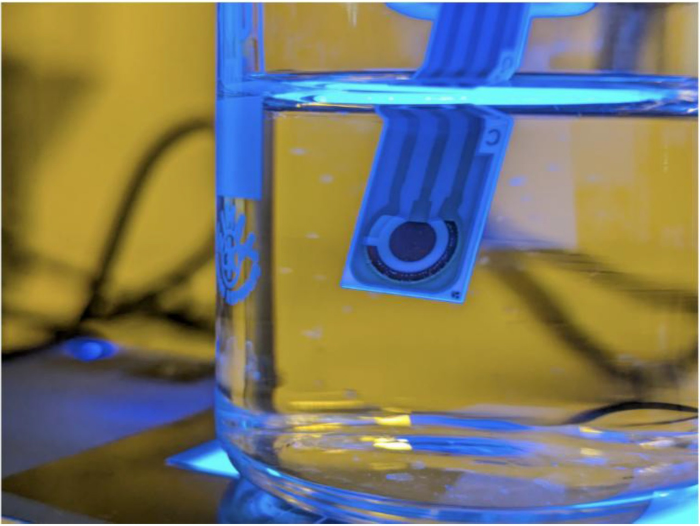
- The MICROTECH LAB - Microtechnology for the Industry research subgroup, part of the Centre for Advanced Technologies in Mechanics (CATMech) at the Universitat Politècnica de Catalunya - BarcelonaTech (UPC), is leading the technical development of a minimally invasive platform to monitor biomarkers and physiological indicators related to stress and emotional wellbeing.
- A research team from the Universitat Politècnica de Catalunya - BarcelonaTech (UPC) has participated in the M3LEC project, coordinated by the Centro de Astrobiología (CAB), a joint centre of the Spanish National Research Council (CSIC) and the Instituto Nacional de Técnica Aeroespacial (INTA), with the Universidad de Sevilla (US) / Instituto de Microelectrónica de Sevilla (IMSE) also participating. M3LEC aimed to contribute to the characterisation of the Martian atmosphere and meteorology, and to investigate new instrumentation for future planetary exploration missions.
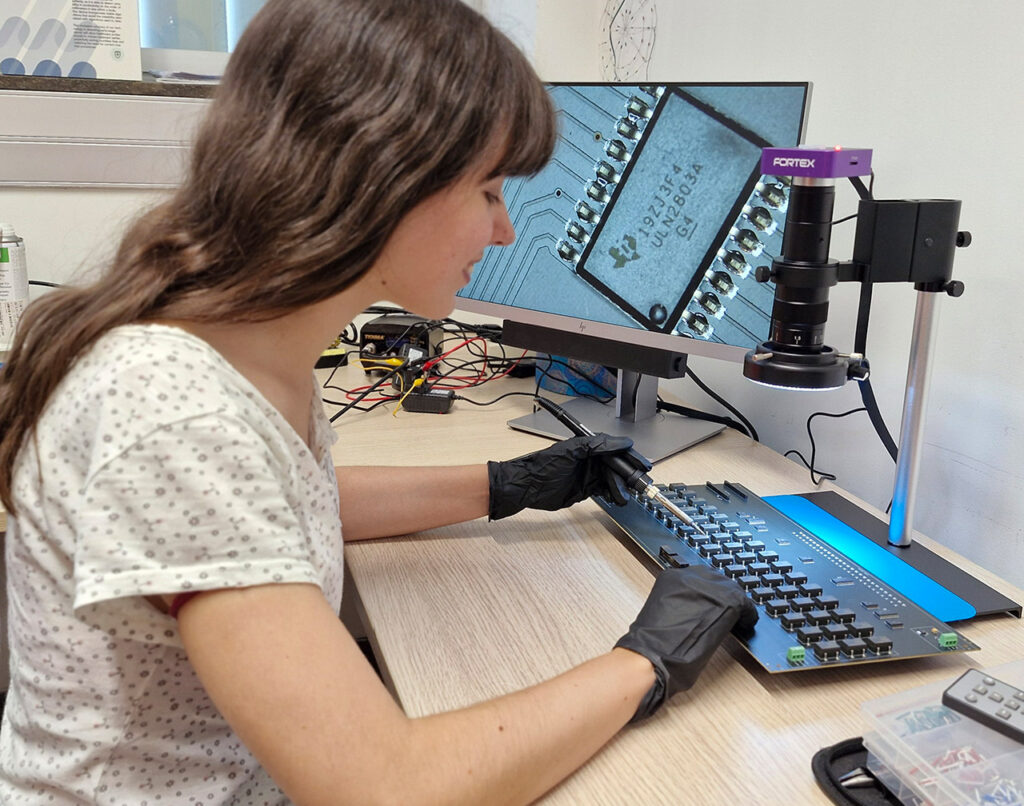
- A team from the Matrix Analysis and Discrete Potential Theory (MAPTHE) research group at the Universitat Politècnica de Catalunya - BarcelonaTech (UPC), and the Department of Mathematics at CUNEF Universidad in Madrid, have participated in the development of MARIA, a prototype of a portable, flexible and radiation-free device designed to improve the early detection of breast cancer. The device can identify tumours through electrical conductivity, with the aim of enabling its future use in primary care settings.
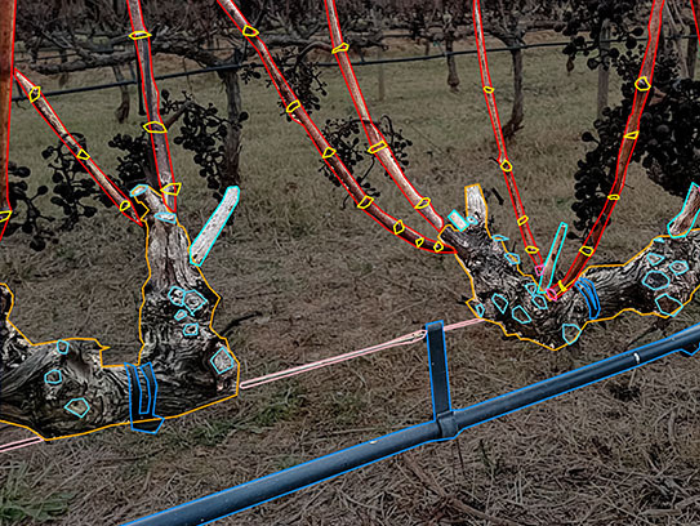
- The Center for Industrial Equipment Design (CDEI-UPC) at the Universitat Politècnica de Catalunya - BarcelonaTech (UPC) is participating in a cross-border project aimed at promoting the use of advanced digital technologies in viticulture in regions on both sides of the Pyrenees. The initiative seeks to improve specialist training, technical advice and decision-making in vineyard management.