

Method of data modulation for WiFi devices so that they can communicate with non-WiFi devices
February 1, 2020
A biodegradable packaging is developed to avoid the use of plastic in the food field/area
February 1, 2020The Communication Circuits and Systems Research Group (CIRCUIT) has launched the first free, open dual connectivity platform that will enable experiments to be carried out in real conditions.

Dual Connectivity is a new technology that enables a mobile device to be connected to two network stations simultaneously. This improves the rate of data transport and therefore the service experience.
Current mobile devices can only be connected to one base station of those available within the coverage area. They select the station with the strongest signal, which tends to be the one that is closest geographically. When the signal gets weaker, mobile devices automatically connect to the strongest signal from the next closest station.
Dual Connectivity enables a simultaneous link to be established between the mobile device and two base stations, whether they are 4G, 5G or a combination of both. In this way, information can be transmitted to the mobile from the best base station or via both stations. This improves the data rate (data aggregation) and or/or involves changing to the fastest station (fast switching).
The testbed developed by Dual Connectivity is fully implemented in open code, which means that any person or company can collaborate in the project. It is expected that the solution that is developed will save researchers and developers around 4 months of work.
The testbed was developed by Dr. Ilker Demirkol and the doctoral student Carlos Pupiales of the UPC. Other collaborators in the project were Eurecom (France), National Instruments (Germany) and the Rutgers University of New Jersey (USA). The Dual Connectivity project won the Best Demo Award at the IEEE MASS Conference 2019.
Technology
Topic
You want to know more?
Related Projects
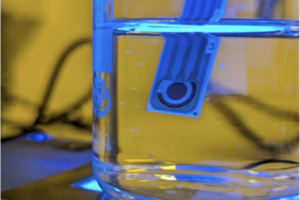
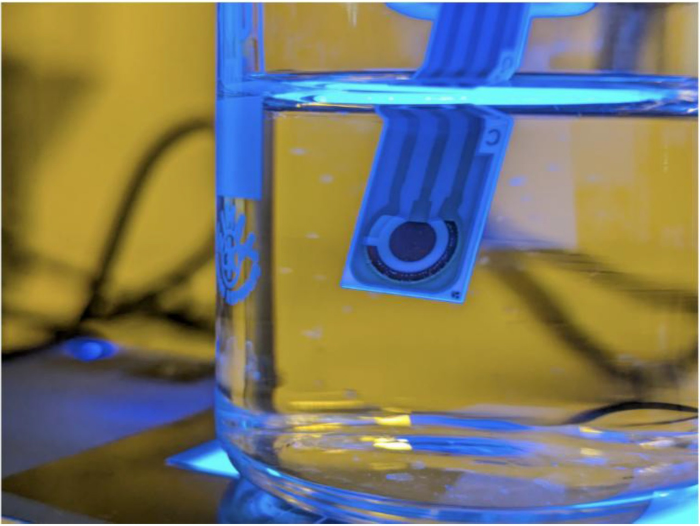
- The MICROTECH LAB - Microtechnology for the Industry research subgroup, part of the Centre for Advanced Technologies in Mechanics (CATMech) at the Universitat Politècnica de Catalunya - BarcelonaTech (UPC), is leading the technical development of a minimally invasive platform to monitor biomarkers and physiological indicators related to stress and emotional wellbeing.
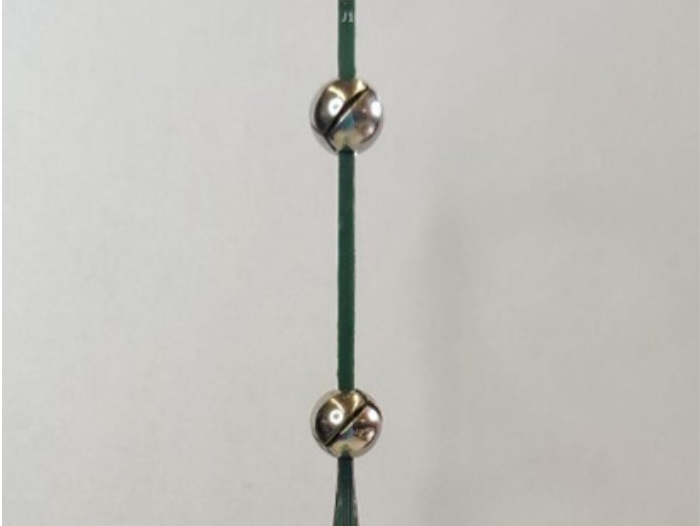
- A research team from the Universitat Politècnica de Catalunya - BarcelonaTech (UPC) has participated in the M3LEC project, coordinated by the Centro de Astrobiología (CAB), a joint centre of the Spanish National Research Council (CSIC) and the Instituto Nacional de Técnica Aeroespacial (INTA), with the Universidad de Sevilla (US) / Instituto de Microelectrónica de Sevilla (IMSE) also participating. M3LEC aimed to contribute to the characterisation of the Martian atmosphere and meteorology, and to investigate new instrumentation for future planetary exploration missions.
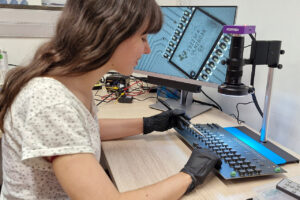
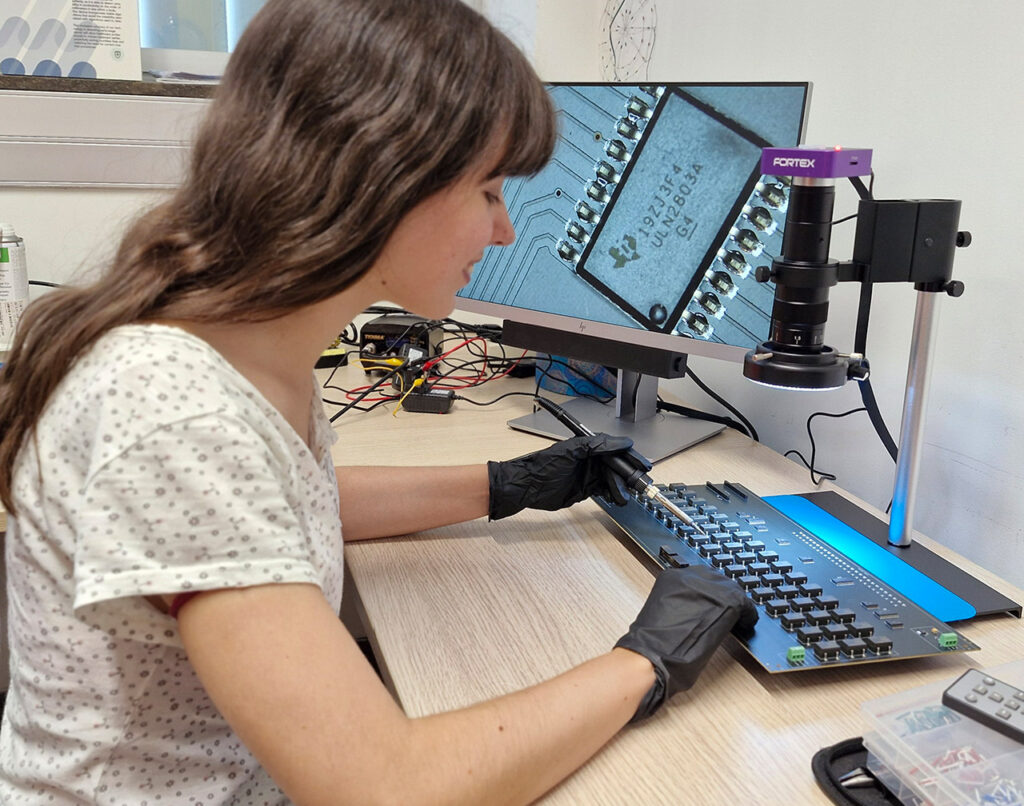
- A team from the Matrix Analysis and Discrete Potential Theory (MAPTHE) research group at the Universitat Politècnica de Catalunya - BarcelonaTech (UPC), and the Department of Mathematics at CUNEF Universidad in Madrid, have participated in the development of MARIA, a prototype of a portable, flexible and radiation-free device designed to improve the early detection of breast cancer. The device can identify tumours through electrical conductivity, with the aim of enabling its future use in primary care settings.
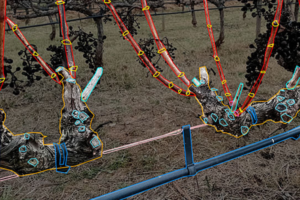
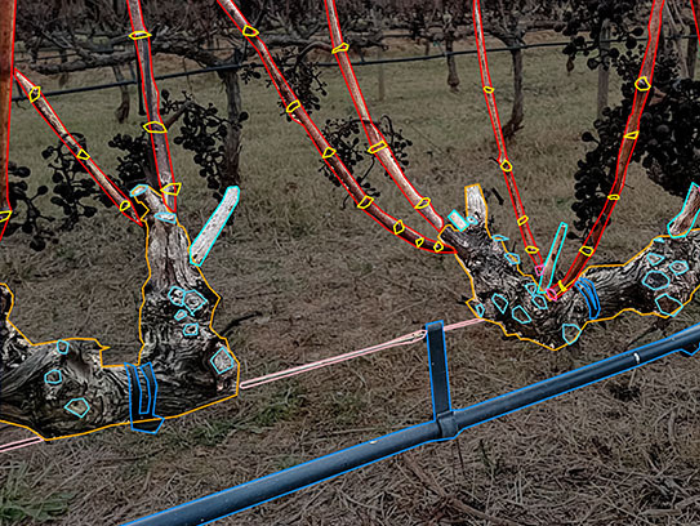
- The Center for Industrial Equipment Design (CDEI-UPC) at the Universitat Politècnica de Catalunya - BarcelonaTech (UPC) is participating in a cross-border project aimed at promoting the use of advanced digital technologies in viticulture in regions on both sides of the Pyrenees. The initiative seeks to improve specialist training, technical advice and decision-making in vineyard management.