

CoCoUnit: processors of the future for smart computer systems
January 4, 2020
Method of data modulation for WiFi devices so that they can communicate with non-WiFi devices
February 1, 2020The Internet of Things (IoT) offers users the opportunity to interact with objects used in daily life. Currently, the range of wireless interfaces is wide, which makes interoperability difficult and limits the real adoption of IoT. The ALLINONE project, developed by the Wireless Networks Group (WNG), offers a solution to provide interoperability between radiofrequency technologies and, at the same time, reduces energy consumption, which is another aspect of central importance in the rollout of IoT. The project is focused on Wi-Fi networks, but the results are applicable to other technologies.

A wake-up radio (WuR) system has been developed. This can wake up an electronic device when it is in sleep mode, that is, when it is not generating any form of active signal and therefore has minimal energy consumption. WNG has created software using WiFi technology, which can generate the “wake up” signal and thus control communication with the receiver and reduce the work cycle of the radio interface of the device, increasing the battery durability and energy efficiency. The system can be used for communication between devices that use different technologies. This is a key aspect to achieve interoperability between wireless interfaces.
ALLINONE was funded through the Spanish Ministry of Economy and Competitiveness and has a budget of 200,000 euros. The project has led to two patents.
Technology
Topic
You want to know more?
Related Projects
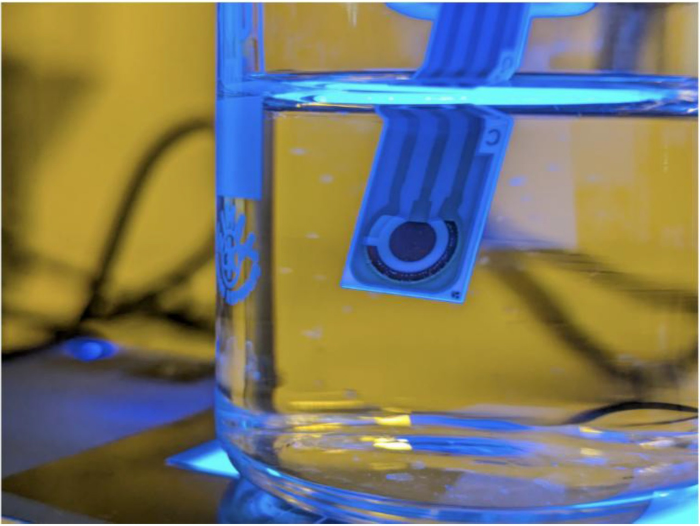
- The MICROTECH LAB - Microtechnology for the Industry research subgroup, part of the Centre for Advanced Technologies in Mechanics (CATMech) at the Universitat Politècnica de Catalunya - BarcelonaTech (UPC), is leading the technical development of a minimally invasive platform to monitor biomarkers and physiological indicators related to stress and emotional wellbeing.
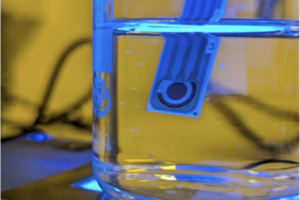
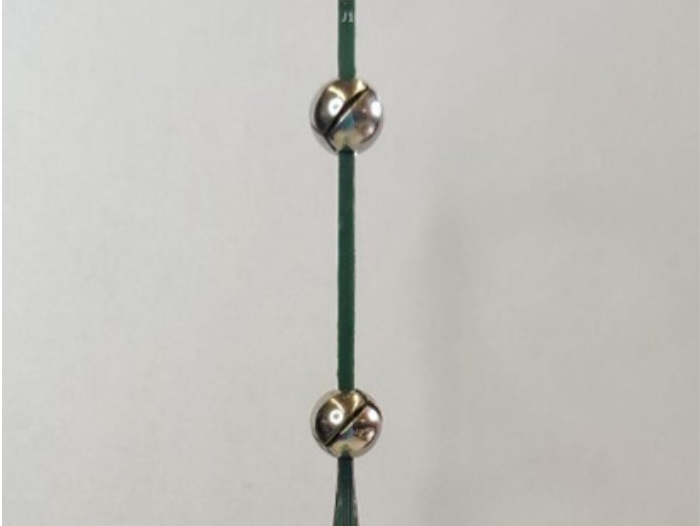
- A research team from the Universitat Politècnica de Catalunya - BarcelonaTech (UPC) has participated in the M3LEC project, coordinated by the Centro de Astrobiología (CAB), a joint centre of the Spanish National Research Council (CSIC) and the Instituto Nacional de Técnica Aeroespacial (INTA), with the Universidad de Sevilla (US) / Instituto de Microelectrónica de Sevilla (IMSE) also participating. M3LEC aimed to contribute to the characterisation of the Martian atmosphere and meteorology, and to investigate new instrumentation for future planetary exploration missions.
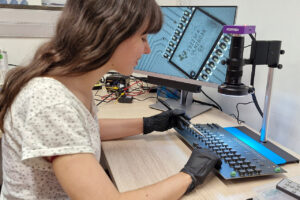
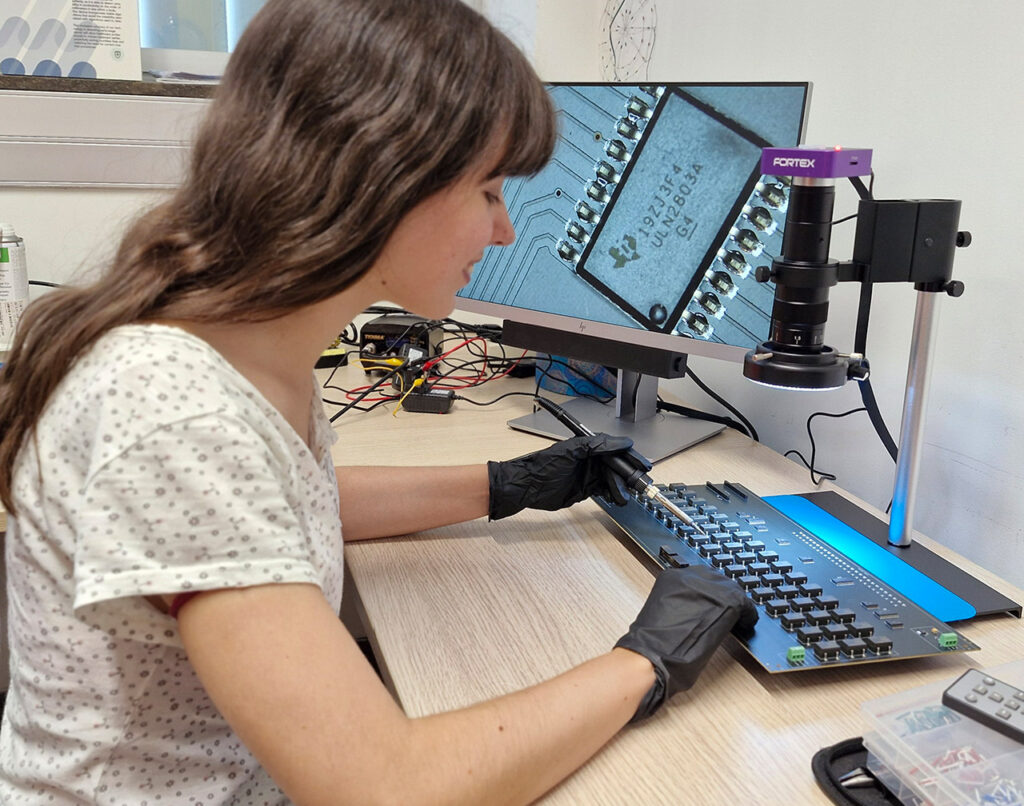
- A team from the Matrix Analysis and Discrete Potential Theory (MAPTHE) research group at the Universitat Politècnica de Catalunya - BarcelonaTech (UPC), and the Department of Mathematics at CUNEF Universidad in Madrid, have participated in the development of MARIA, a prototype of a portable, flexible and radiation-free device designed to improve the early detection of breast cancer. The device can identify tumours through electrical conductivity, with the aim of enabling its future use in primary care settings.
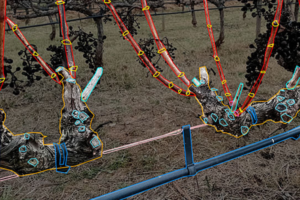
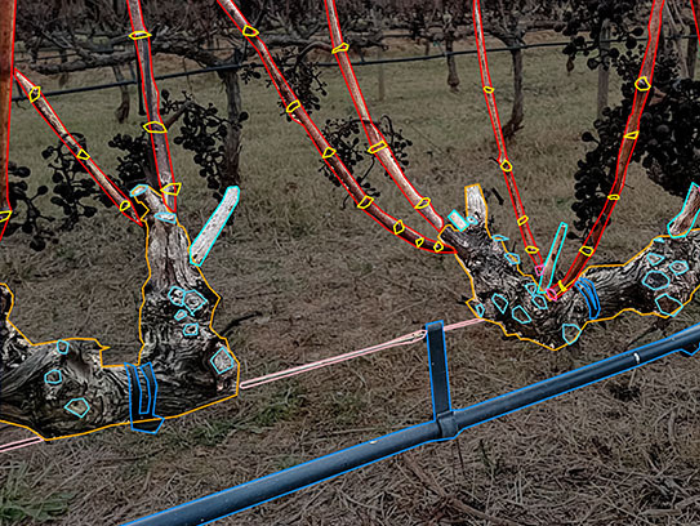
- The Center for Industrial Equipment Design (CDEI-UPC) at the Universitat Politècnica de Catalunya - BarcelonaTech (UPC) is participating in a cross-border project aimed at promoting the use of advanced digital technologies in viticulture in regions on both sides of the Pyrenees. The initiative seeks to improve specialist training, technical advice and decision-making in vineyard management.