

TECHNOLOGICAL CAPABILITIES
INORGANIC CHEMISTRY

Construction
- Sustainable cement based on clinkers with low energy requirements and fly ash.
- High performance cement with low-impact internal curing agents and self-sealing.
- Photocatalytic, self-cleaning cement with TiO2 based on waste of opaque PET and recycled glass for façade cladding.
- Sustainable construction materials based on agricultural byproducts and fibres recovered from textile waste.

Sensorics
- Networks of low-cost, small sensors for monitoring NH3 in stables and reducing the smell in nearby populations.
- Sensorics to detect pollution in the environment. Measurement of levels of methane in gas pipelines.
ORGANIC CHEMISTRY

Organic chemistry
- Bio-based foams and polymer insulation materials (polyol foams, natural cellulose fibres and nanocrystals) for buildings and vehicles.
- Agents that repel water and oil that are non-fluoridated for the textile industry.
- Encapsulation and sequential release of aromas with changes in flavour.
- Bio-based flame retardants for environmentally friendly plastics instead of halogenated compounds.
- New natural biodegradable polymers (PHAs) based on mixed microbial cultures with applications in industry and medicine.
- Development of biodegradable polymers.

Functionalised materials
- New materials and multi-materials for additive manufacturing that improve productivity (functional parts, finishes and post-processes).
- Obtaining nano surfaces and functional microstructures in injected polymer parts.
HEALTH

Biomaterials
- Antibacterial and osteoinductive coatings.
- Surgical meshes that can interact as a smart material with biological tissues.
- Implantable and absorbable sensors for pressure, temperature and acidity.

Pharmaceutical chemistry
- Highly sensitive technology to detect viral infections in the blood.
- Functionalised hydrogels with nanoparticles.
- New polymer materials for drug release.
- Design of new biodegradable polymer systems with bactericide, antioxidant and anticarcinogenic properties.
- Manufacture by ultrasound of coatings with antimicrobial nanoparticles on the surface of special hospital textiles, water treatment membranes, implantable medical devices, etc.
CIRCULAR ECONOMY AND ENVIRONMENT

Circular economy
- Methods and tools to integrate circular systems in the process industry.
- Recovery of added value waste from the copper industry (Bi/Sb) and elimination of As in the mineral phase.
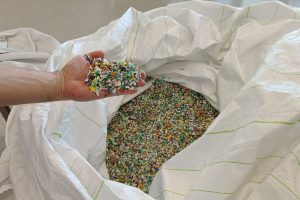
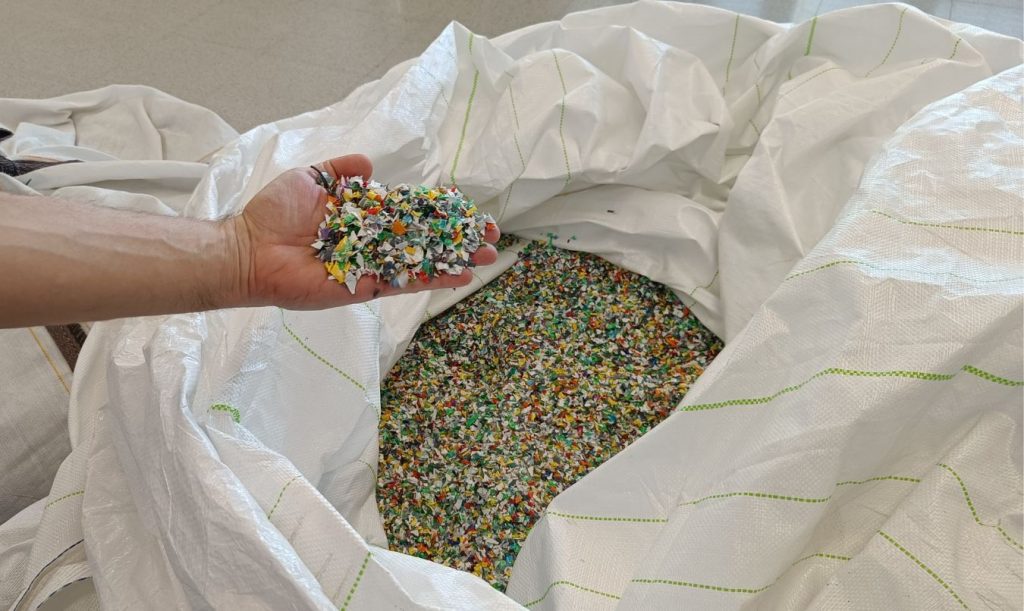
- Recycling of opaque PET for high added value applications.
- New materials and coatings to mitigate abrasive wear and deterioration caused by corrosion.
- Treatment of effluent from textile industries through a new electrochemical alkaline system for hydrogen production.
- Development of lightweight, high-performance biocompounds that are recyclable.
- Water treatment, recovery of valuable metals and minerals from brines from desalination plants.
- Obtaining bioproducts and bioenergy from cyanobacterial activity on waste from urban wastewater, the food industry and others.
- Recovery of metals through reactive crystallisation, selective membrane separation and selective sorption/desorption from brine.
- Thermosensitive hydrogels for desalination and purification of water.
- Recovery of rare earth and metal elements from:
- E-waste and lithium-ion batteries
- Liquid defluent from hydrometallurgical and mining processes
- High added value polymers from recycled, devulcanized elastomers.

Management of emergencies
- 3D models for assessing the spread of fires, adverse weather or the dispersal of pollution.
- Virtual reality in 3D, real volumes and dynamics of computational fluids to measure the radiative transfer and improve the monitoring of fires.
- Protocols for the population and for the emergency services in hazardous situations.

Packaging
- Bioplastics for sustainable packaging based on polylactic acid (PLA) and polyhydroxyalkanoates (PHA).
- Edible food packaging based on materials from renewable sources that are biodegradable and safe and can protect foods and increase their useful life.
- Highly crystalline, degradable polyesters and polyurethanes for the manufacture of environmentally friendly containers.

The environment
- Wastewater filtration systems from aquaculture to retain emerging pollutants (antibiotics).
- Antimicrobial agents of marine origin to reduce the use of conventional food supplements for fish and animals.
- Identification of sources of greenhouse gases using radon as a tracer.
- Microencapsulation with biodegradable polymers to avoid the release of microplastics in the process of domestic cleaning with fabric conditioners.
CHEMICAL AND LABORATORY PROCESSES

- Ecoblends of high added value to optimise additive manufacture.
- Production of ethanol in an ecological, selective way based on CO2 and methane through a hydroxyapatite catalyst.
- Management of highly active nuclear waste: dissolution of fission products and actinides in nuclear fuel
- Transformation of low-quality residual heat into electricity due to conversion processes, transport and use of energy
- Catalyst to produce hydrogen through reforming of a renewable substrate.
- Bimetal catalysts for processes of production of blue and green hydrogen.
APPLICATION SECTORS

FOOD

AGRICULTURE AND MARINE ENVIRONMENT

ENERGY

HEALTH

TEXTILES

BIOTECHNOLOGY
RELATED PROJECTS
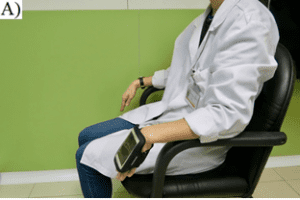
- 15/02/2022rightno-repeat;left top;;auto El Laboratorio de Aplicaciones Multimedia (LAM UPC) ha desarrollado una aplicación móvil que ayuda en el diagnóstico diferencial ente pacientes con Parkinson y Temblor […]
- Researchers in the Analysis and Technology of Structures and Materials (ATEM), the Geomatic Engineering (EGEO) and Construction Engineering (EC) groups, led by Rolando Chacón from the UPC Department of Civil and Environmental Engineering, are taking part in ASHVIN. The aim of this project is to provide a digital platform that will be completely ready to set up digital twins. It will be interoperable with a wide range of designs and engineering applications in the construction sector
- The research group e-PLASCOM is participating in the project RevalPET'UP, whose aim is to develop innovative, high-added value materials with a long useful life based on recycled opaque PET.
- The kick-off meeting of LogiSmile, a project co-funded by the EIT Urban Mobility, was held on 17-18 January in a hybrid format. This 2-days assembly was an opportunity for the whole consortium to meet all together and understand all the needs and requirements of the activities planned in the project. Moreover, the City mayor of the first city pilot test – Esplugues de Llobregat – also participated in the event, representing the willingness of public institutions to collaborate in this type of activity.