

Digital Twins
- Digital twins with applications in construction, mobility, blue economy and agriculture, among other sectors, to optimize and increase productivity, reduce costs and provide safe working conditions.
- Open-source software to produce digital twins for edge computing.
- AI and machine learning-based platforms for generating digital twins.

Security and Cybersecurity
- Real-time response and mitigation of the effects of cyberattacks across ICT supply chains.
- Algorithms for detecting physical and cyberattacks, and response mechanisms.
- More functional and secure integrated circuits for cybersecurity and supercomputing.
- Monitoring of intelligent fire detection systems.
- Perception systems: vision for controlling and guiding robots.

Industry 4.0
- Advanced production using automated technologies such as adaptive models, ATP/AFP, 3D printing, profiling processes, hot stamping.
- Integration of drones with 4G and 5G mobile technologies.
- Smart management of industrial plants and infrastructures.
- Predictive maintenance of machines through IoT platforms.
- Industrial automation and communication.
- Energy saving through smart monitoring.
- Flexible manufacturing processes.
- Advanced decision-making tools for zero defect manufacturing (ZDM).
- Digital control with microprocessors and DSP.
- Computer vision.
- Human-machine communication interfaces (dialogue systems).

Big Data Analytics
- Data analysis techniques to obtain high-precision information with low-cost sensors.
- Capability to connect and transform data from the Internet of Things (IoT) or the Internet of People (IoP) into reliable and usable information.
- Efficient and adaptable management of large amounts of data on network devices and infrastructures.
- Communication protocols with limited latency, high reliability and energy efficiency.
- LoRa Mesher.
- Alert management system with different input channels.
- Decentralized computing and network system infrastructures, based on cooperative resource coordination models.
- Adaptable, resilient, scalable software systems that exploit edge resources and networks for communication and computing infrastructures (cloud).

Smart Farming
- Agricultura 4.0: sistemes de captació, processament d’imatges i sistemes de telecomunicacions basats en la ciència de dades.
- Aplicació de Digital Twins per a agricultura de regadiu.
- Automatització i mecanització de processos productius en l'agricultura intel·ligent.
- Desenvolupament de sistemes de mesura i comunicació de les dades amb menor consum energètic.
- Teledetecció per a cultius a l’aire lliure mitjançant drons i satèl·lits.
- Millora de la productivitat amb robots mòbils.
- Disseny de maquinària agrícola i equips sensoritzats.
- Monitoratge de bestiar i detecció de malalties mitjançant sensors biomètrics.

Robotic Process Automation
- Advanced robotic handling systems.
- Collaborative robots, human-machine interfaces (HMI).
- Automation of complex processes with artificial intelligence and machine learning to improve robot decision-making.
- Intelligent robotic exoskeletons.
- Voice recognition and response systems enabling interaction and verbal command of robots.

Mobility
- Autonomous delivery devices for last-mile operations.
- Drones for large-scale use.
- IoT platforms for autonomous cars.
- Multimodal image sensors for autonomous vehicles.
- Interconnected and secure mobility through remote sensing and optical communication systems, RADAR and LiDAR sensors.
- Autonomous underwater vehicles with sensors to detect and map the environment.
- Passenger demand prediction, social trends based on learning and decision-making systems.
- New mobility services for public transport.

eHealth
- Surgical robots.
- Virtual reality and augmented reality for telerehabilitation.
- Low-cost devices for remote cardiovascular monitoring.
- Image processing to diagnose injuries.
- Differential diagnosis in patients with Parkinson’s disease using biomechanical tests.
- Advanced non-intrusive remote health evaluation.
- IoT medical devices.
- Wearable tech.
- Modelling of human body movement.
- Biomedical signal processing.

Smart Building & BIM
- Advanced optimization to monitor errors in smart infrastructures.
- IoT platforms with deep learning applied to smart homes.
- Modular sensors to identify bridge structures subjected to quasi-static loads.
- 3D printing of insulating composites useful in construction.
- Energy information in digital administration.

Energy efficiency
- Internet architectures with open-source software and hardware protocols aimed at energy efficiency.
- Smart, modular and scalable batteries using big data analysis, artificial intelligence and IoT.
- Energy management in smart factories.
- Light energy harvesting for autonomous sensors.

Edge & Cloud Computing
- Efficiency and optimization of artificial intelligence systems.
- Efficient artificial intelligence for cloud computing.
- Digital energy transition through the exchange of intelligence and data.
Related Projects
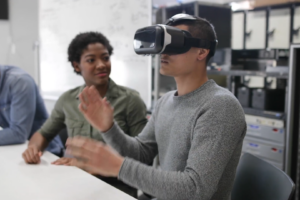
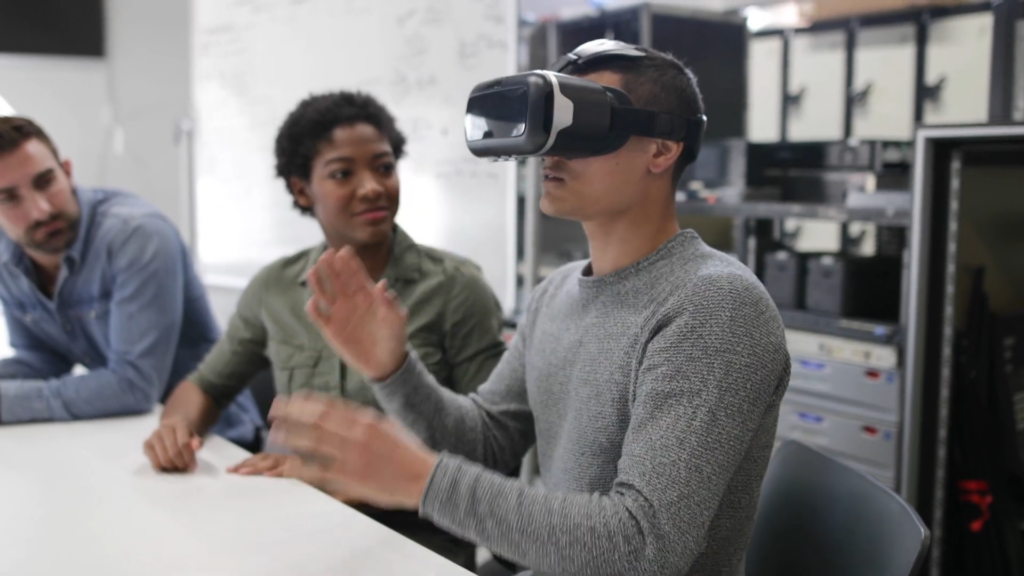
- The Visualisation, Virtual Reality and Graphic Interaction Research Group (ViRVIG) at the Universitat Politècnica de Catalunya - BarcelonaTech (UPC) has participated in the XR4ED project, an initiative that connects the educational technology (EdTech) and Extended Reality (XR) sectors, with the aim of transforming learning and training across Europe.
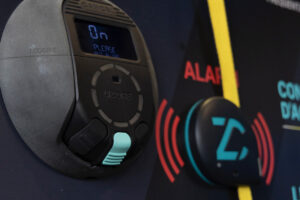
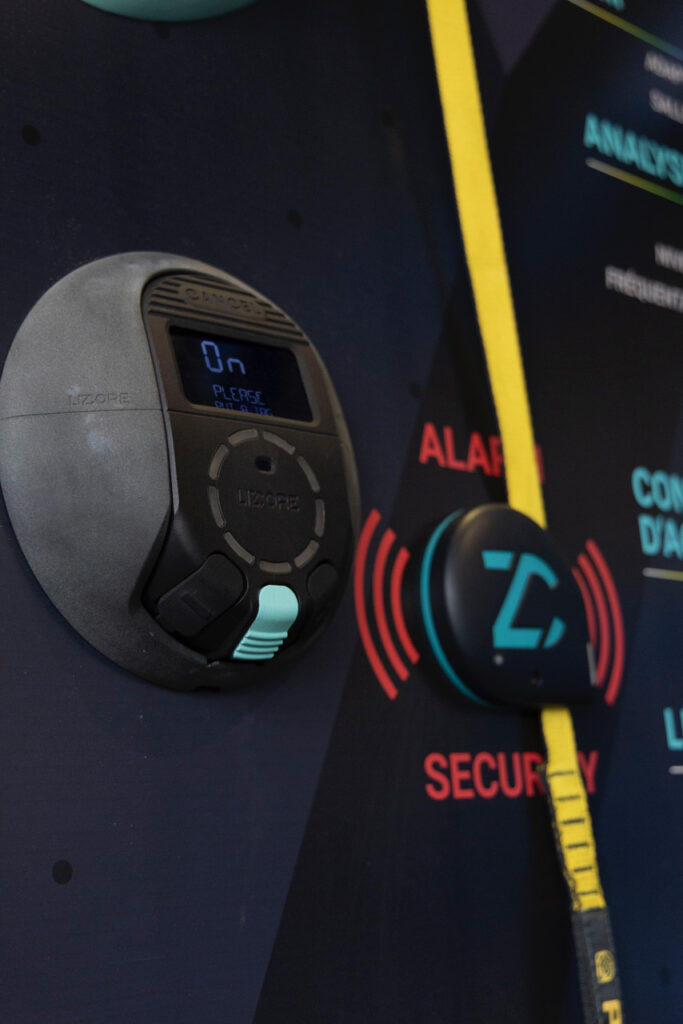
- The inLab FIB at the UPC has collaborated with Lizcore® for the development of a proof of concept based on artificial intelligence to improve safety in climbing with autobelay devices. The system allows the automatic and accurate detection of risk situations before starting a route.
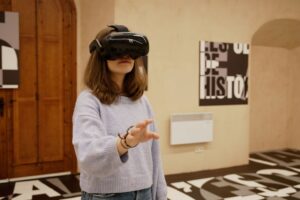
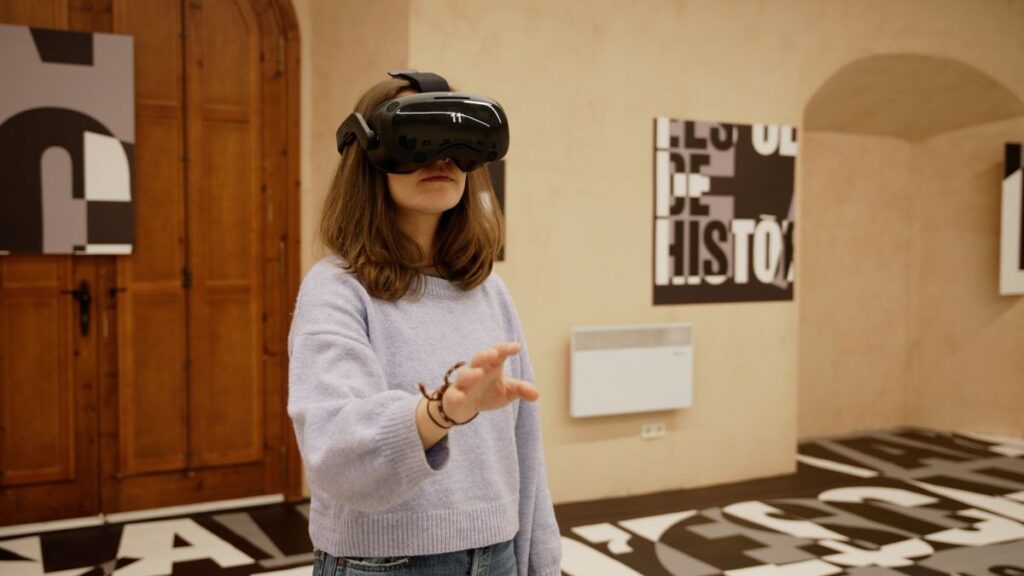
- Researchers from the Centre for Image and Multimedia Technology of the UPC (CITM) and from the DiCode research group (Digital Culture and Creative Technologies Research Group) of the Universitat Politècnica de Catalunya – BarcelonaTech (UPC) have worked on the project The Eyes of History, an initiative of the Catalan Agency for Cultural Heritage that offers an immersive view of Catalan cultural heritage. It is especially aimed at the first and second cycles of secondary education and was created to bring heritage into the classroom. Its goal is to bring the history and monuments of Catalonia closer in a vivid and innovative way, using tools such as virtual reality and new museographic narratives.
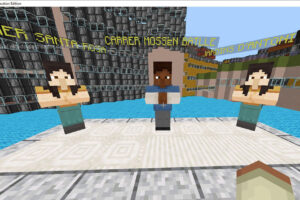
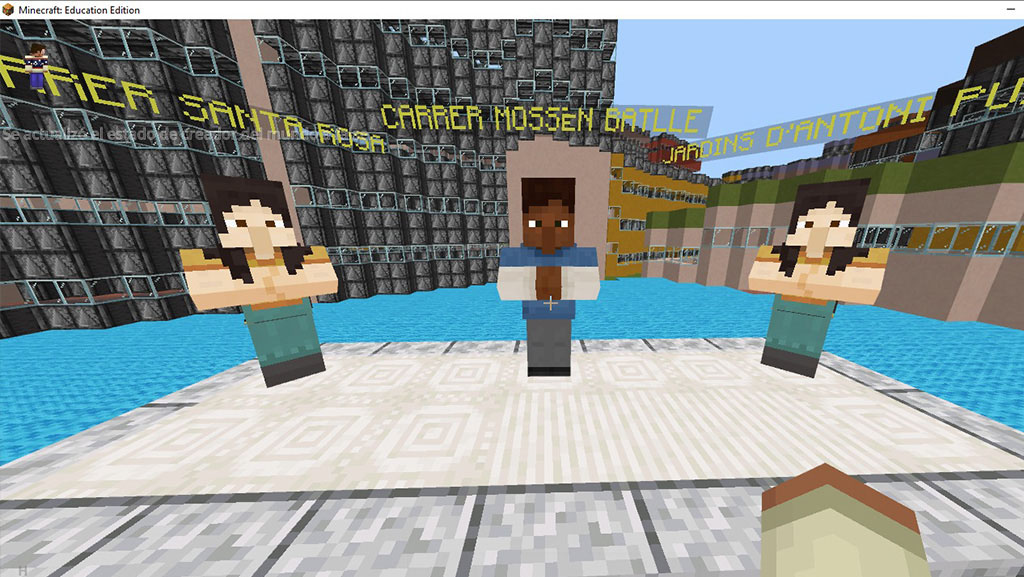
- City and Play is a social action project coordinated by researchers from the Centre for Image and Multimedia Technology (CITM) and the DiCode research group (Digital Culture and Creative Technologies Research Group) of the Universitat Politècnica de Catalunya – BarcelonaTech (UPC), the Universitat Oberta de Catalunya (UOC) and the University of Barcelona (UB), and funded by Barcelona City Council. The aim of the project is to promote civic competences and reflection on the urban environment among adolescents through the creation of an open framework that uses methodologies based on play, co-creation and storytelling.