

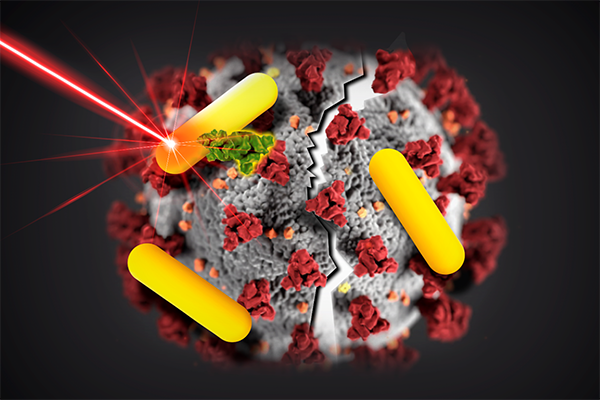
A UPC group and B. Braun investigate new inactivation strategies against SARS-CoV-2 virus through functionalized nanoparticles and activation of heat nanosources
June 28, 2020
Exheus, a new spin-off that analyses gene expression via artificial intelligence, to optimise performance, health and nutrition
July 1, 2020The inLab FIB has participated in the development of a system to characterise and model passenger demand on buses. Specifically, it has developed a module for predicting occupation that has been integrated into the application of the Autocorb company, which operates urban and interurban lines in the Barcelona Metropolitan Area. The app enables users to check the estimated occupation of buses throughout the day. The aim is for users to be able to choose the emptiest buses, so that service supply and demand can be balanced. In the context of the COVID-19 health service, this will help to reduce crowds on buses.
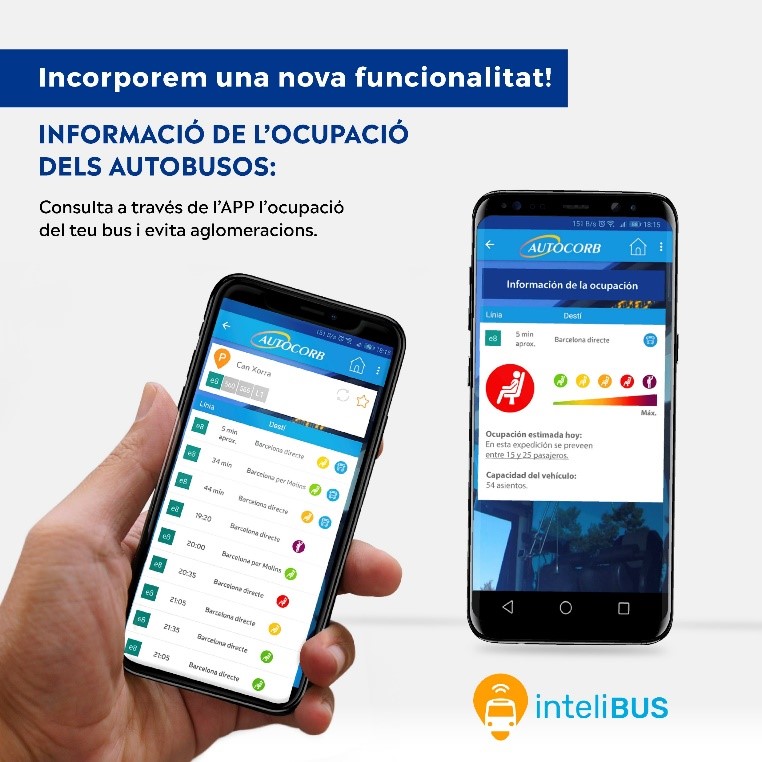
The algorithms are based on data-driven methodologies drawn from a wide range of sources (ticketing, the schedule and bus cameras). Classical methods for processing time series have been incorporated into the prediction module. These include the ARIMA method and neural network algorithms that enable important variables such as the school calendar to be included in the occupation time series.
The new functionality is integrated within the Intelibus ecosystem of tools, a real-time information system in the passenger transport system, which uses GPS positions of buses and the ticketing system to provide useful information for public transport users and the service operator.
Testing of the beta version of the app began on 11 May and is available for Android (on Play Store) and iOS devices.
Technology
You want to know more?
Related Projects
- The Image and Video Processing Group (GPI), part of the IDEAI-UPC research group, and the Digital Culture and Creative Technologies Research Group (DiCode) from the Image Processing and Multimedia Technology Center (CITM) at the Universitat Politècnica de Catalunya – BarcelonaTech (UPC), have co-organised the AI and Music Festival (S+T+ARTS) together with Sónar+D and Betevé, to explore the creative use of artificial intelligence in music.
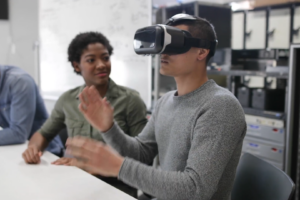
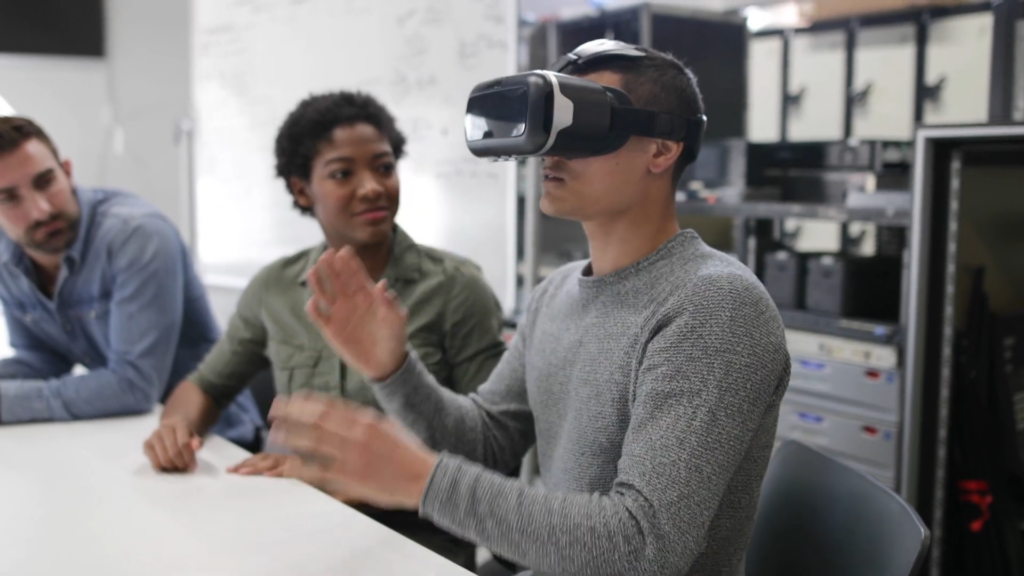
- The Visualisation, Virtual Reality and Graphic Interaction Research Group (ViRVIG) at the Universitat Politècnica de Catalunya - BarcelonaTech (UPC) has participated in the XR4ED project, an initiative that connects the educational technology (EdTech) and Extended Reality (XR) sectors, with the aim of transforming learning and training across Europe.
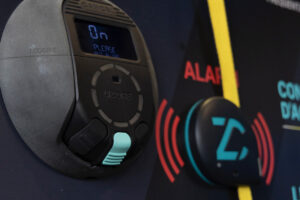
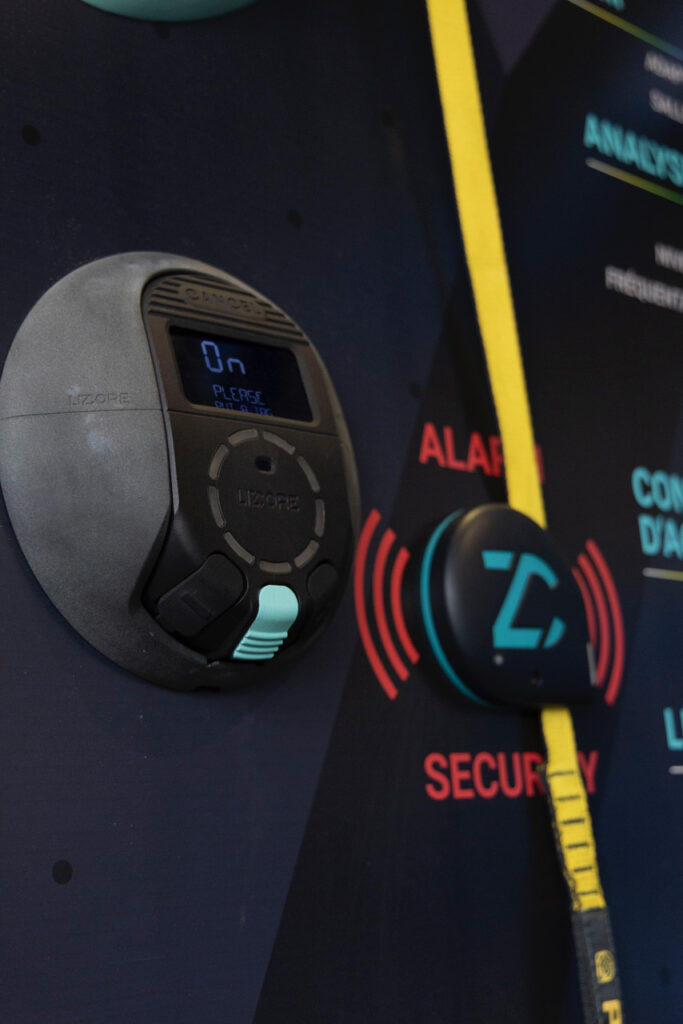
- The inLab FIB at the UPC has collaborated with Lizcore® for the development of a proof of concept based on artificial intelligence to improve safety in climbing with autobelay devices. The system allows the automatic and accurate detection of risk situations before starting a route.
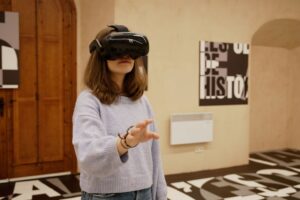
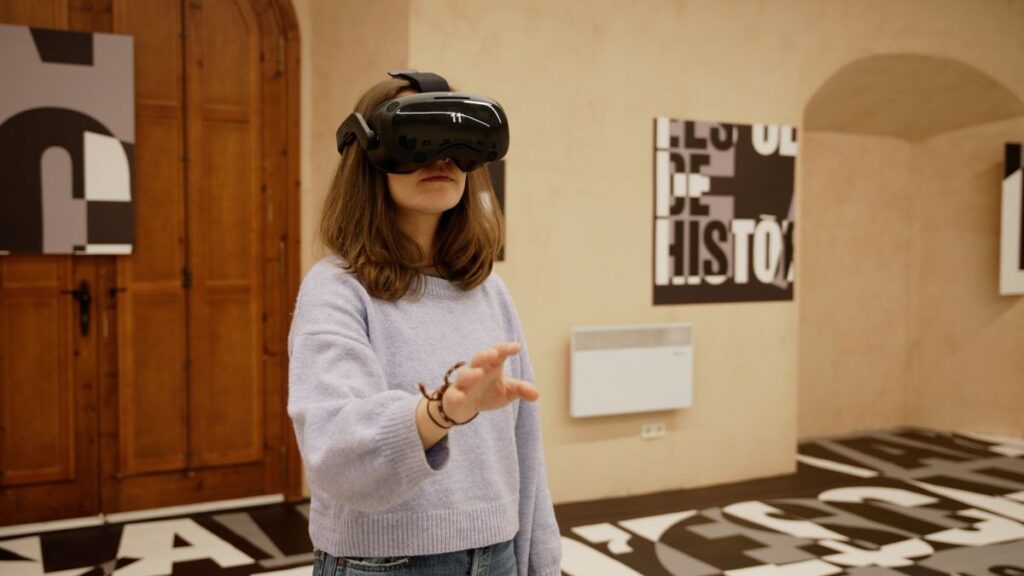
- Researchers from the Centre for Image and Multimedia Technology of the UPC (CITM) and from the DiCode research group (Digital Culture and Creative Technologies Research Group) of the Universitat Politècnica de Catalunya – BarcelonaTech (UPC) have worked on the project The Eyes of History, an initiative of the Catalan Agency for Cultural Heritage that offers an immersive view of Catalan cultural heritage. It is especially aimed at the first and second cycles of secondary education and was created to bring heritage into the classroom. Its goal is to bring the history and monuments of Catalonia closer in a vivid and innovative way, using tools such as virtual reality and new museographic narratives.