

Gavius: A virtual assistant to process social grants through an app
September 29, 2023
IoT to improve the efficacy of batteries in fire detection systems
October 16, 202311/10/2023
Researchers at the Centre for Land Valuation Policy (CPSV), from the research group Quality of Urban Life: Innovation, Sustainability and Social Engagement (QURBIS) at the UPC, have participated in the design of the theoretical model of the Building Renovation Passport based on BIM and Blockchain for the public administration.
The European Union Directive 2018/844 on the energy efficiency of buildings (Energy Performance Building Directive - EPBD) has introduced Building Renovation Passports (BRP) as instruments to promote the energy renovation of the building stock in the long term. The EPBD describes the BRP as a road map for renovations programmed in stages, so that a building can move up to a better energy class and reach a rating of A or B. In Spain, where more than half of the building stock was constructed before 1980, this directive has not been fully transposed. Consequently, it is imperative to include energy efficiency (EE) characteristics in existing buildings and to standardise sustainable construction.
In this context, with the aim of analysing and assessing the features of a BRP adapted to the characteristics and needs of its application in Spain, and in particular in Catalonia, a theoretical model of BRP has been designed based on BIM and Blockchain.
The document, drawn up by researchers of the CPSV and QURBIS at the Universitat Politècnica de Catalunya - BarcelonaTech (UPC), is the result of feedback with specialists and agents who are experts in the sustainable construction sector, and it brings together the analysis of the state of the art, the theory of information vortices and the study of the instruments that exist in Spain and Catalonia on building information and assessment.
This work has achieved the following specific objectives:
- Carry out a critical review of the specialised literature that links energy efficiency and other attributes of sustainability to building information management (BIM) tools, BIM methodology and Blockchain.
- Analyse, from a theoretical perspective, the needs and opportunities of the public administration in the area of building energy information using BIM-Blockchain technology.
- Examine the BRP management model in other European Union states to identify their design, the agents involved, the technological support and the regulations and economic aspects of their operation.
- Study the regulatory and operational framework of the Spanish and Catalan real estate sector, for new and existing buildings, to identify the main limitations and opportunities of the digital administration of energy information.
- Examine, from a technological perspective, the information and interaction requirements between BIM and Blockchain technologies that are required to create a BRP.
- Validate the hypotheses for the composition of a BRP based on BIM and Blockchain (according to the information gathered in the previous objectives) and determine the technological, legal and organisational needs and requirements of the digital instrument.
- Design a theoretical model of the BRP-BIM-Blockchain system that facilitates the management of conventional and energy information by means of a digital platform.
The main contribution of this project has been to establish the foundations, the theoretical model and the data structure for the creation of a Digital Building Logbook (DBL), as a digital and cloud tool that enables information to be gathered on the entire life cycle of the building: the design, the construction, operation and its assessment (habitability, security, healthiness, accessibility, energy efficiency).
The proposed tool is designed as a single electronic repository, considered a “biography” of the building, with a set of information fields that are needed for the various assessments that are made of residential buildings throughout their life, such as the Certificate of Habitability (CdH), the Technical Building Inspection (ITE), the Energy Efficiency Certificate (EPC), and in situ inspections for use in new fields (for example, required improvements). This would provide a faithful snapshot of the state of the buildings at all times.
The attainment of this DBL would improve, among other aspects, the management and assessment of buildings, the planning of improvements, and the assessment of economic needs to fund them. The proposal represents great progress in the construction of the structure, management, governance and technological implementation of the DBL.
Budget and funding
The research study that was carried out to draw up this proposal was subsidised by the Public Administration School of Catalonia (Catalan Government) within the context of the call for applications for grants for research studies on public administration, decision PDA/345/2021. The project was undertaken between October 2021 and November 2022.

Sector
Topic
You want to know more?
Related Projects
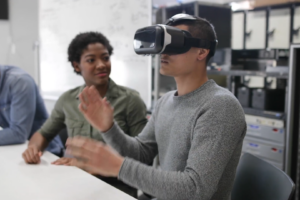
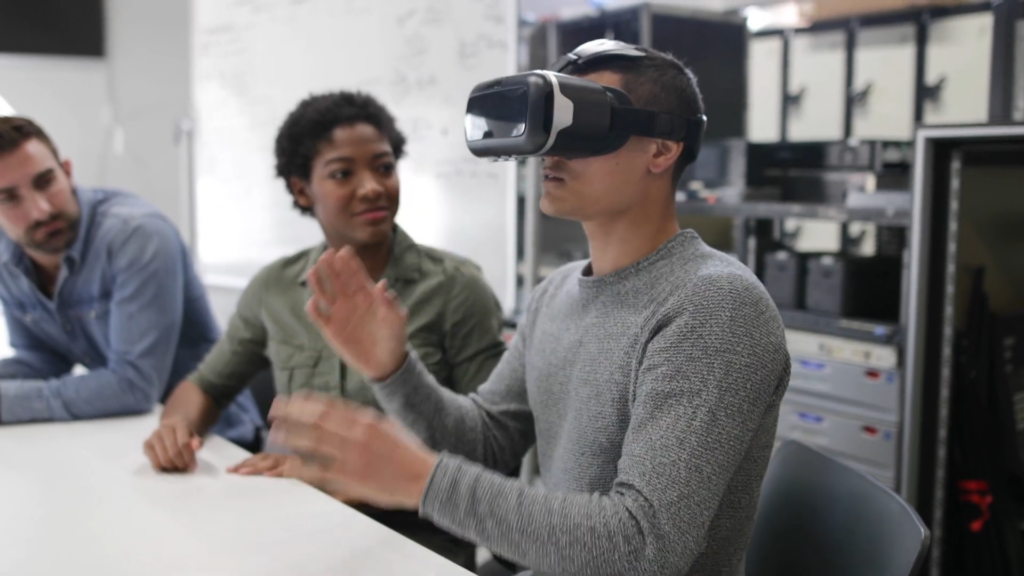
- The Visualisation, Virtual Reality and Graphic Interaction Research Group (ViRVIG) at the Universitat Politècnica de Catalunya - BarcelonaTech (UPC) has participated in the XR4ED project, an initiative that connects the educational technology (EdTech) and Extended Reality (XR) sectors, with the aim of transforming learning and training across Europe.
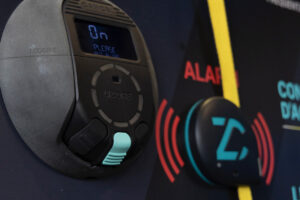
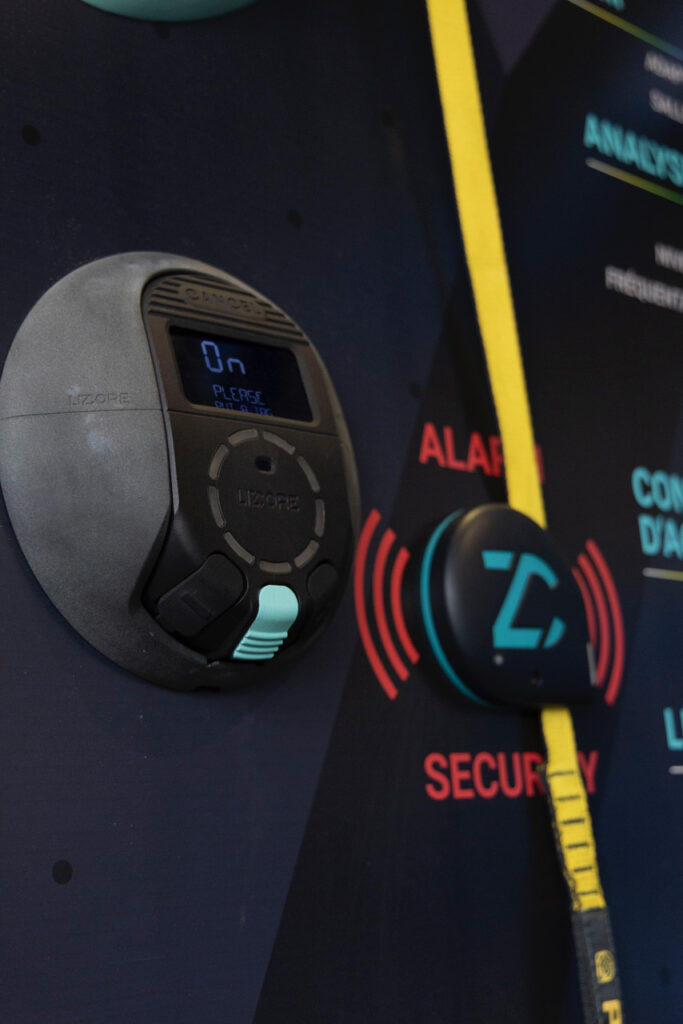
- The inLab FIB at the UPC has collaborated with Lizcore® for the development of a proof of concept based on artificial intelligence to improve safety in climbing with autobelay devices. The system allows the automatic and accurate detection of risk situations before starting a route.
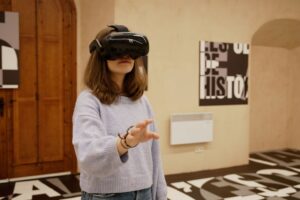
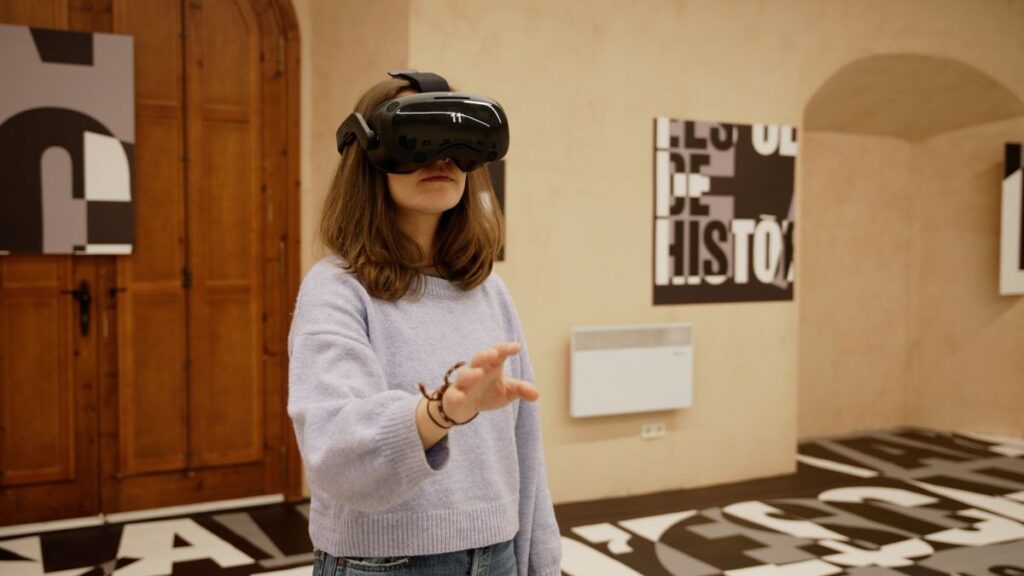
- Researchers from the Centre for Image and Multimedia Technology of the UPC (CITM) and from the DiCode research group (Digital Culture and Creative Technologies Research Group) of the Universitat Politècnica de Catalunya – BarcelonaTech (UPC) have worked on the project The Eyes of History, an initiative of the Catalan Agency for Cultural Heritage that offers an immersive view of Catalan cultural heritage. It is especially aimed at the first and second cycles of secondary education and was created to bring heritage into the classroom. Its goal is to bring the history and monuments of Catalonia closer in a vivid and innovative way, using tools such as virtual reality and new museographic narratives.
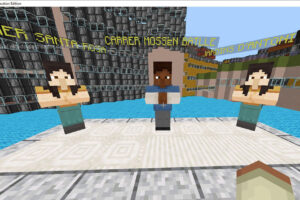
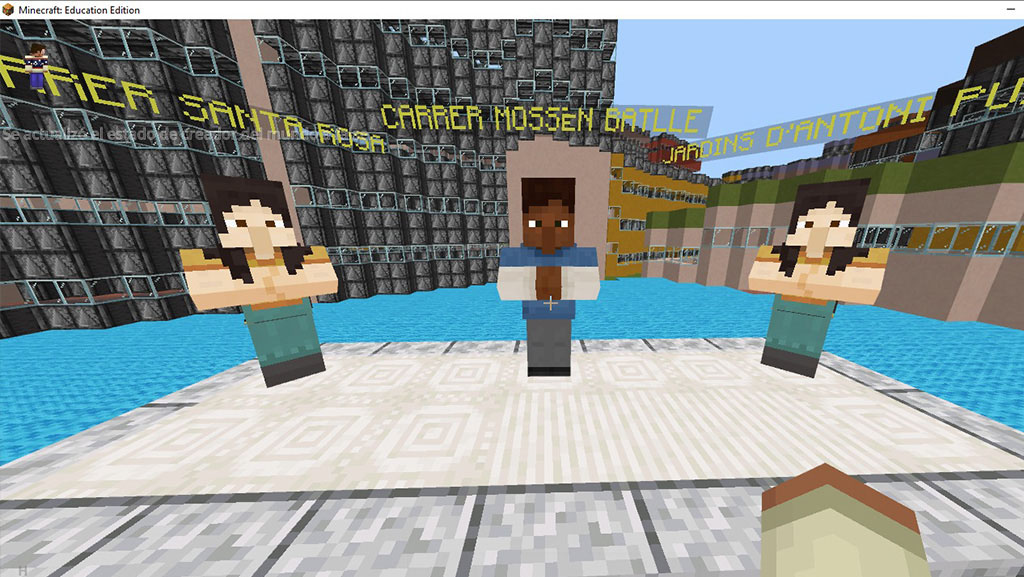
- City and Play is a social action project coordinated by researchers from the Centre for Image and Multimedia Technology (CITM) and the DiCode research group (Digital Culture and Creative Technologies Research Group) of the Universitat Politècnica de Catalunya – BarcelonaTech (UPC), the Universitat Oberta de Catalunya (UOC) and the University of Barcelona (UB), and funded by Barcelona City Council. The aim of the project is to promote civic competences and reflection on the urban environment among adolescents through the creation of an open framework that uses methodologies based on play, co-creation and storytelling.