

New system of mixed steel-concrete structures for construction
May 21, 2019
Architectural model of the Sagrada Familia’s Nativity Facade in 3D
May 23, 2019The Centre for Technological Innovation in Static Converters and Drives (CITCEA UPC), in collaboration with its spin-off Teknocea, has developed a smart system called IDPR (Intelligent Distribution Power Router).


This device can be used to address congestion and instability in the low voltage grid for the integration of renewable energies and distributed generation, new loads such as electric vehicles and storage systems. The device can also be used to manage batteries, so it has great potential in self-consumption environments and in future situations that could make way for changes in the regulatory framework for the energy sector.
The system has a greater capacity to supply the low voltage grid if the high voltage grid fails, which increases the reliability and quality of the supply. In addition, the IDPR is an excellent solution to improve the quality of supply to weak networks in rural environments that require considerable investment to improve them.
This innovation is one of the results of the Smart Rural Grid EU project, developed in conjunction with the company Estabanell Energia.
The project received funding in the fourth call for the “Knowledge Industry” programme, promoted by the Government of Catalonia’s Secretariat for Universities and Research in the Product phase, for the creation of prototypes and to recognise and transfer teams’ research results. The programme is also funded by the European Union through the European Regional Development Fund (ERDF).
The IDPR won an award in the latest edition of the CEEC Catalan Energy Efficiency Cluster as the best business technology project in the Product category.
Project Partners

Technology
Sector
Topic
You want to know more?
Related Projects
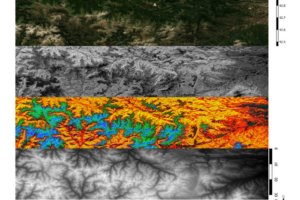
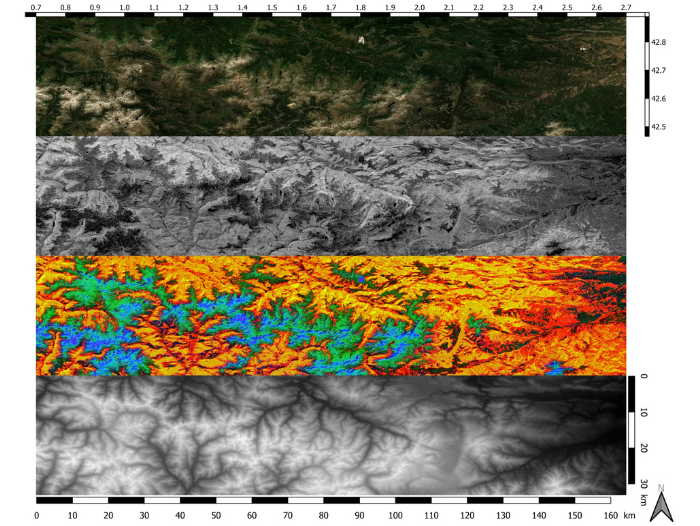
- Un equip de recerca de la UPC, integrat pel CommSensLab-UPC i el Remote Sensing Lab (RSLAB) de la Universitat Politècnica de Catalunya - BarcelonaTech (UPC), juntament amb l’Institut d’Estudis Espacials de Catalunya (IEEC), ha participat en el projecte AI4EO, amb l’objectiu d’impulsar solucions i posar en pràctica eines d’intel·ligència artificial aplicades a dades d’observació de la Terra en diversos casos d’ús sobre el territori català.
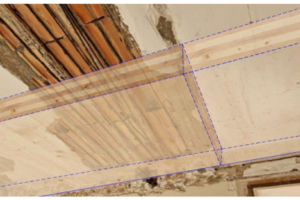
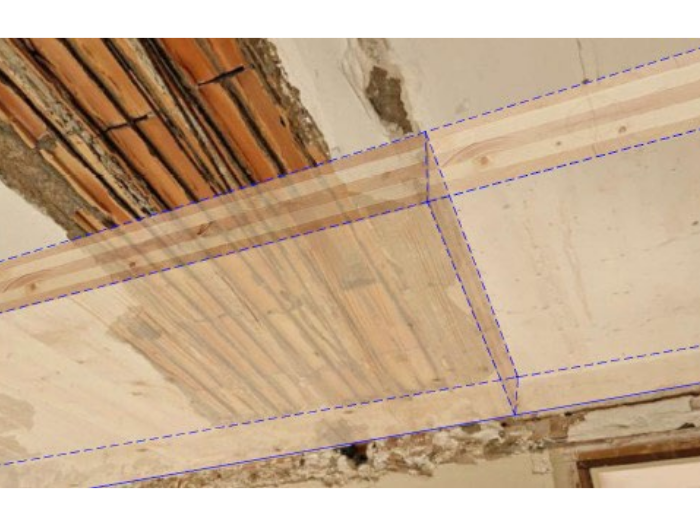
- Researchers from the Architecture, Energy and Environment research group (AiEM) and the Design and Analysis of Architectural Structures research group of the Department of Architectural Technology (DiCEA), which are part of the Centre for Research and Services for the Local Administration (CRAL) at the Universitat Politècnica de Catalunya - BarcelonaTech (UPC), have developed an innovative system for the structural strengthening of ceramic floor slabs using stress-activated timber, designed to intervene in occupied buildings in a fast, sustainable and replicable manner.
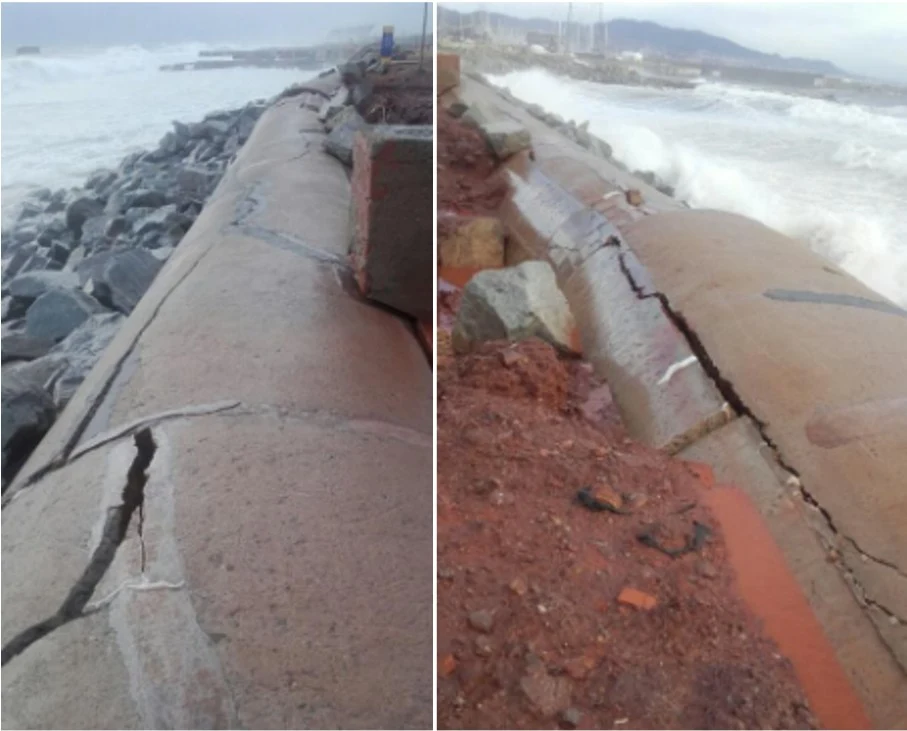
- A team of researchers led by the FLUMEN Research Institute at the Universitat Politècnica de Catalunya - BarcelonaTech (UPC) has participated in the European ICARIA project. Its aim is to develop tools and risk maps that enable public authorities and infrastructure managers to anticipate the impacts of extreme climate events and make adaptation decisions on a more robust technical basis.
- The project is led by a team from the Rehabilitation and Architectural Restoration (REARQ) at the Universitat Politècnica de Catalunya - BarcelonaTech (UPC), in collaboration with the Interdisciplinary Group on Building Science and Technology (GICITED), also from UPC, and CONSTRAULA.