

VALORFIN: New Cementitious Materials from the Valorisation of the Fine Fraction of Construction and Demolition Waste
July 22, 2025
QUEEN: Efficient and Sustainable Production of Metallurgical Silicon from Quartz Sand Sourced from Local Quarries
August 26, 202524/07/2025
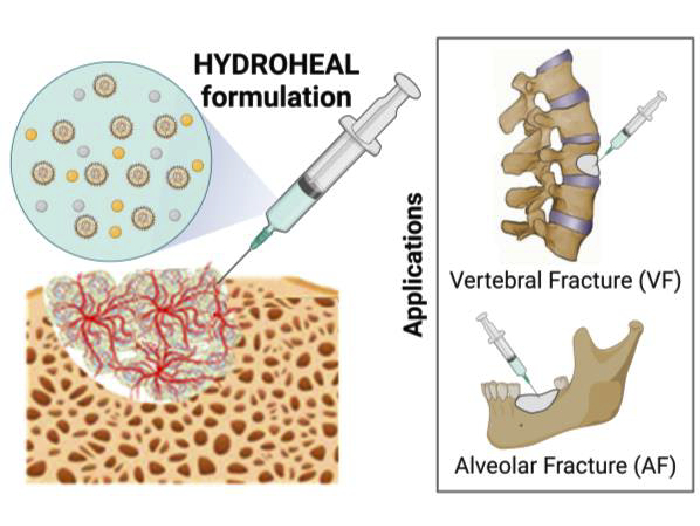
A team from the Bioinspired Oral Biomaterials and Interfaces (BOBI) research group of the Universitat Politècnica de Catalunya - BarcelonaTech (UPC) is taking part in the European project HYDROHEAL, which explores how to transform bone fracture treatment using smart and advanced biomaterials, aiming to reduce the risk of infection and implant rejection, as well as shortening fracture recovery times.
Currently, materials used to replace bone often become infected. To address this, the HYDROHEAL project will specifically evaluate, under conditions that simulate the human body, how bacteria adhere to the developed materials to determine the best strategies for preventing this type of bone infection.
The research team behind the HYDROHEAL project will develop microparticles encapsulated in bioresorbable and self-hardening hydrogels, allowing the incorporation and transport of various pharmacologically active compounds. These biomaterials will serve as temporary support for bone regeneration while also enabling controlled and targeted release of active agents, thereby enhancing treatment effectiveness and significantly reducing the risk of infection and implant rejection. The project focuses on developing new biomaterials for the treatment of vertebral and alveolar fractures (in the jaw, at the base of the teeth), especially in complex cases caused by osteoporosis, cancer or trauma.
The project will employ innovative technologies such as “layer-by-layer” coating to develop the microparticles, adding multiple layers containing active molecules that can be released sequentially during treatment.
HYDROHEAL will also integrate artificial intelligence tools and hybrid digital modelling to optimise the design and performance of the new materials. Following an initial formulation phase, in vitro and in vivo tests will be conducted to validate their efficacy and safety, before moving on to sustainable large-scale production.
Consortium, Budget and Funding
The project, funded by the European Commission’s Horizon programme with a budget of nearly € 6.5 million, will run for a period of four years (June 2025 – May 2029).
Coordinated by UPV, the project brings together 13 partners from 8 European countries, including universities, hospitals, technology centres and companies from the pharmaceutical and biomedical sectors. Alongside UPC and UPV, participating institutions include Newcastle University (UK), Politecnico di Torino (Italy), Royal College of Surgeons in Ireland (Ireland), University of Warwick (UK), Centre for Process Innovation – CPI (UK), SITEC Pharmabio (Spain), Separeco (Italy), Vet Ex Machina LTD (Cyprus), Fluidinova S.A. (Portugal), Asphalion S.A. (Spain), and ConsulTech GmbH (Germany).


Disclaimer:
Views and opinions expressed are however those of the author(s) only and do not necessarily reflect those of the European Union or the European Health and Digital Executive Agency. Neither the European Union nor the granting authority can be held responsible for them.

Sector
You want to know more?
Related Projects
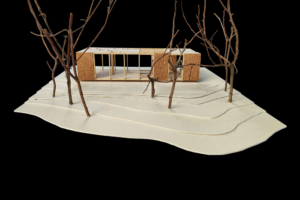
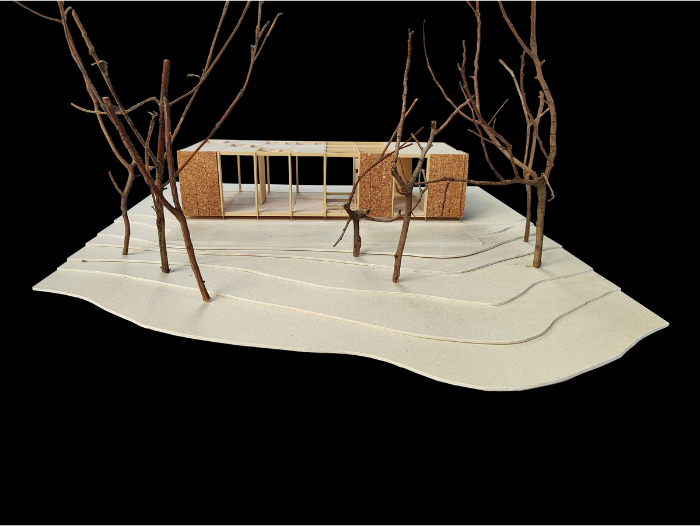
- The Casa Bosc project explores a lightweight, modular and prefabricated timber construction system designed to reduce the environmental impact of housing while making it easier to build and adapt to different contexts. The project has been developed by researchers from the Architectural Rehabilitation and Restoration Research Group (REARQ) at the Universitat Politècnica de Catalunya - BarcelonaTech (UPC) and the company ÀGORA.
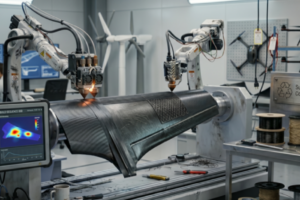
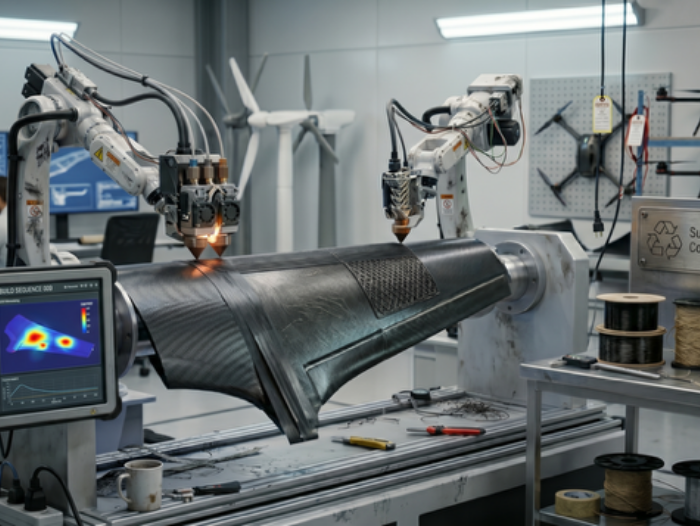
- The Control, Data and Artificial Intelligence (CoDAlab) research group at the Universitat Politècnica de Catalunya - BarcelonaTech (UPC) is taking part in the ATHENS project, which is developing recyclable thermoplastic composite materials with advanced real-time monitoring systems to improve the manufacture, safety and service life of lightweight structures.
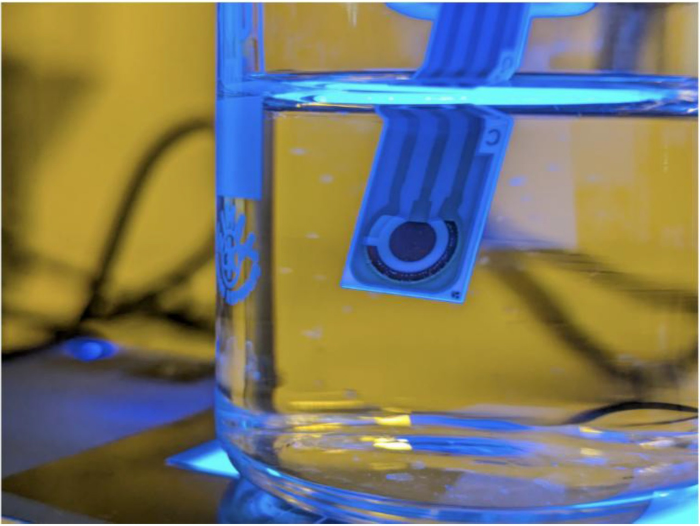
- The MICROTECH LAB - Microtechnology for the Industry research subgroup, part of the Centre for Advanced Technologies in Mechanics (CATMech) at the Universitat Politècnica de Catalunya - BarcelonaTech (UPC), is leading the technical development of a minimally invasive platform to monitor biomarkers and physiological indicators related to stress and emotional wellbeing.
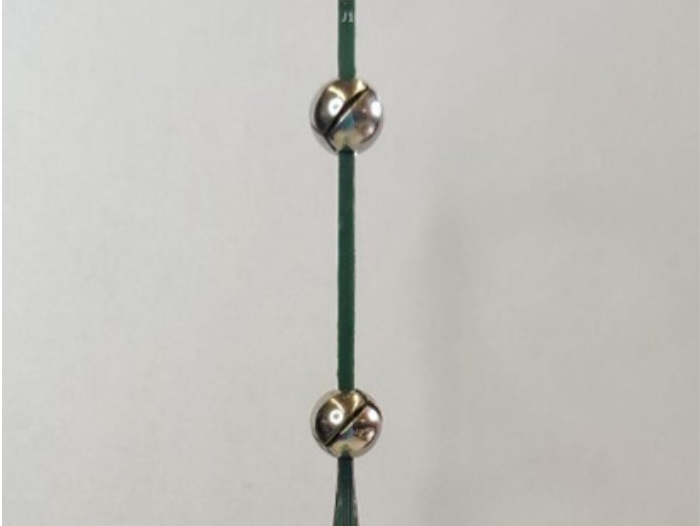
- A research team from the Universitat Politècnica de Catalunya - BarcelonaTech (UPC) has participated in the M3LEC project, coordinated by the Centro de Astrobiología (CAB), a joint centre of the Spanish National Research Council (CSIC) and the Instituto Nacional de Técnica Aeroespacial (INTA), with the Universidad de Sevilla (US) / Instituto de Microelectrónica de Sevilla (IMSE) also participating. M3LEC aimed to contribute to the characterisation of the Martian atmosphere and meteorology, and to investigate new instrumentation for future planetary exploration missions.