

5G-AURA: Mechanisms to optimise handover in 5G networks
February 1, 2020
ARIADNA, a European project to promote the use of GALILEO applied to urban mobility
February 1, 202001/02/2020
The Wireless Networks Group (WNG) has worked on a device that carries out the functions of a communication node in passive fibre optic access networks. This node must be situated at a remote point in the network, without the assistance of an electricity supply, in an environment that is not controlled for temperature or humidity and with no other active elements, to meet the requirement that these access networks are passive to considerably reduce the costs of their installation and use. In this way, new sections can be incorporated into a previously installed access network, to provide a means of growth that can provide a service for new users in situations in which it would not be possible or would be very expensive to install a new access network for them.
The project was led by IHP GMBH Innovations for High Performance Microelectronics/Leibniz-Institut für Innovative Mikroelektronik and involved the participation of over 16 other European members. It had a budget of 100,625 euros and lasted four years (2017–2020).

Technology
Topic
You want to know more?
Related Projects
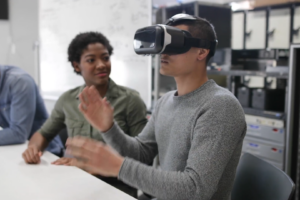
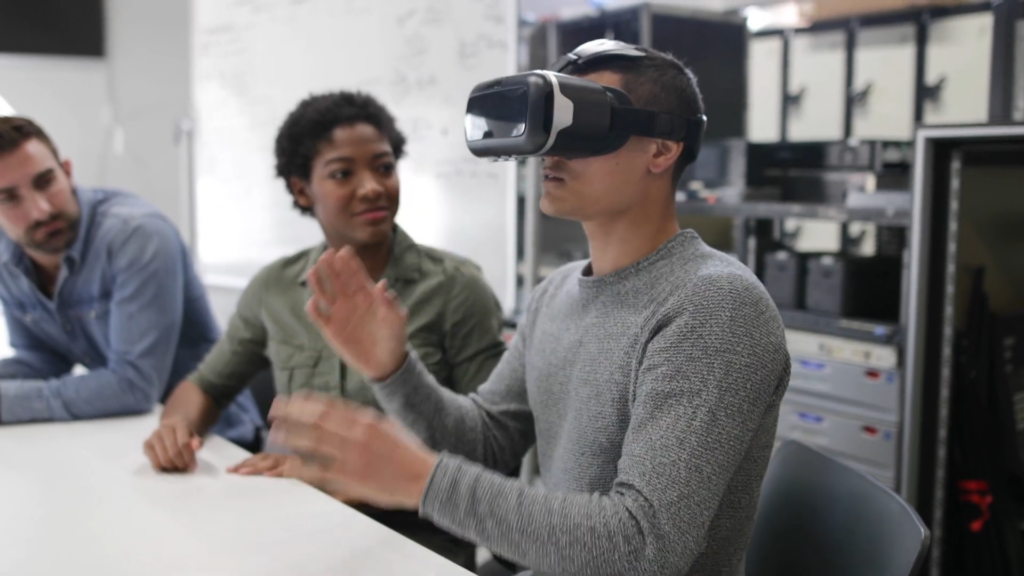
- The Visualisation, Virtual Reality and Graphic Interaction Research Group (ViRVIG) at the Universitat Politècnica de Catalunya - BarcelonaTech (UPC) has participated in the XR4ED project, an initiative that connects the educational technology (EdTech) and Extended Reality (XR) sectors, with the aim of transforming learning and training across Europe.
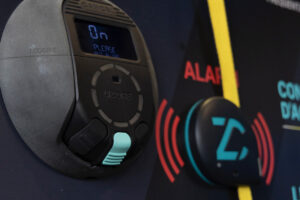
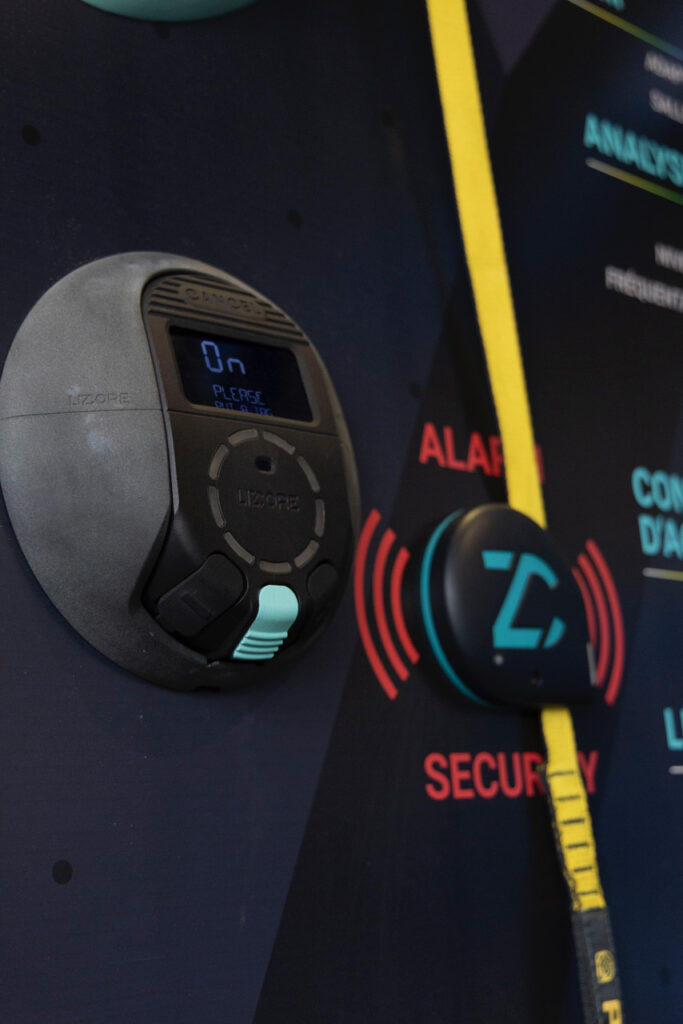
- The inLab FIB at the UPC has collaborated with Lizcore® for the development of a proof of concept based on artificial intelligence to improve safety in climbing with autobelay devices. The system allows the automatic and accurate detection of risk situations before starting a route.
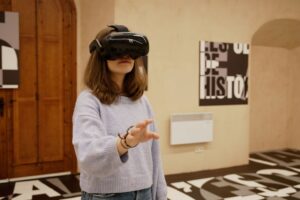
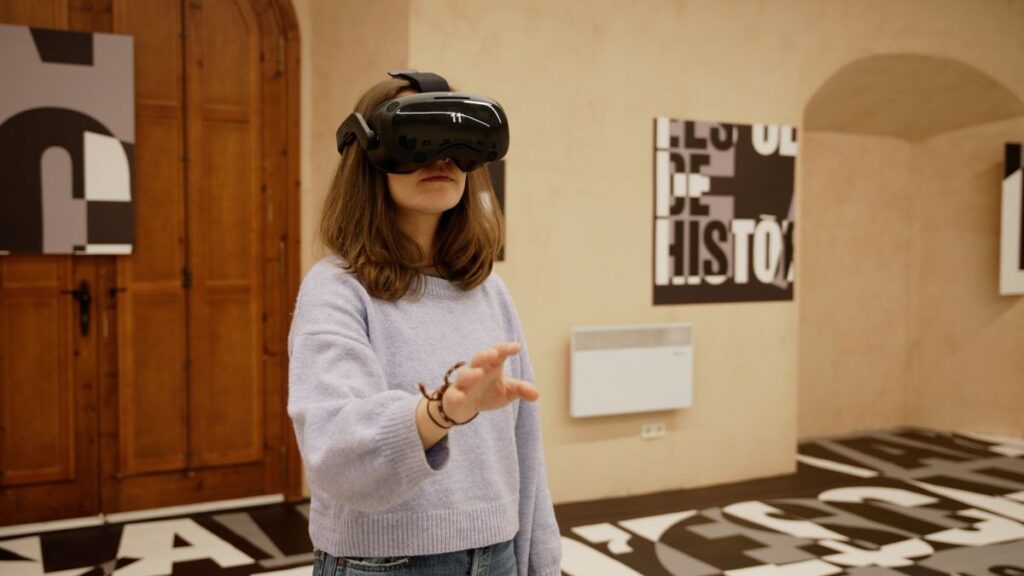
- Researchers from the Centre for Image and Multimedia Technology of the UPC (CITM) and from the DiCode research group (Digital Culture and Creative Technologies Research Group) of the Universitat Politècnica de Catalunya – BarcelonaTech (UPC) have worked on the project The Eyes of History, an initiative of the Catalan Agency for Cultural Heritage that offers an immersive view of Catalan cultural heritage. It is especially aimed at the first and second cycles of secondary education and was created to bring heritage into the classroom. Its goal is to bring the history and monuments of Catalonia closer in a vivid and innovative way, using tools such as virtual reality and new museographic narratives.
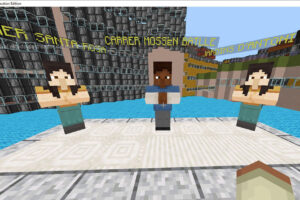
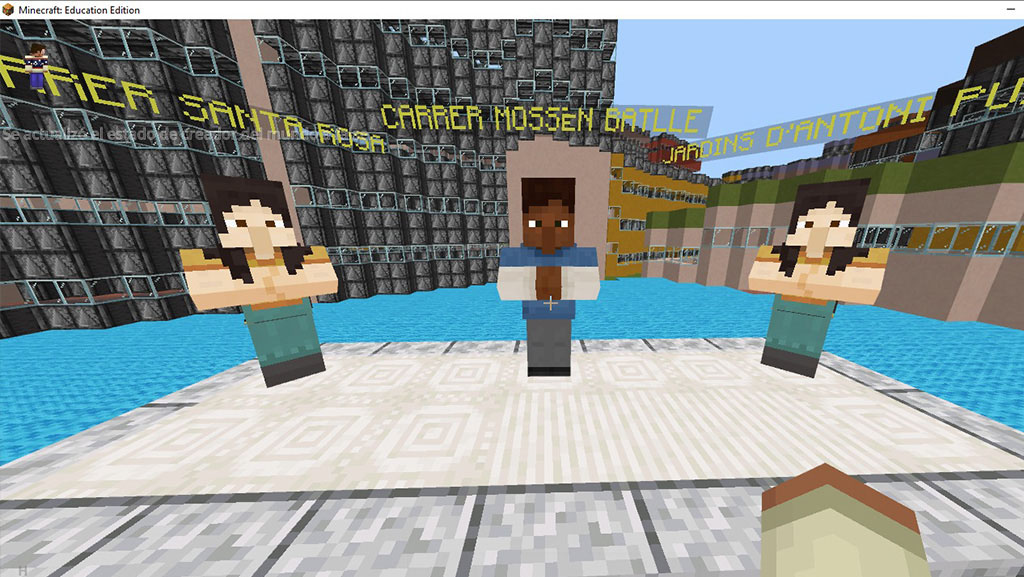
- City and Play is a social action project coordinated by researchers from the Centre for Image and Multimedia Technology (CITM) and the DiCode research group (Digital Culture and Creative Technologies Research Group) of the Universitat Politècnica de Catalunya – BarcelonaTech (UPC), the Universitat Oberta de Catalunya (UOC) and the University of Barcelona (UB), and funded by Barcelona City Council. The aim of the project is to promote civic competences and reflection on the urban environment among adolescents through the creation of an open framework that uses methodologies based on play, co-creation and storytelling.