

WUITIPS: Protection Solutions for Tourist Infrastructure Against Wildfires
May 2, 2025
OCEAN: Application for Optimising Energy Consumption in High-Power Electrical Devices
May 8, 202506/05/2025
The Research Center for Supervision, Safety and Automatic Control (CS2AC-UPC) at the Universitat Politècnica de Catalunya - BarcelonaTech (UPC) has coordinated the SaCoAV project, focused on researching new methods and tools to ensure the safe coordination of autonomous vehicles in urban environments.
Autonomous vehicles are complex systems that must operate safely and in a coordinated manner in real time, considering the presence of other vehicles, people, roads, and obstacles. While significant progress has been made in the safety and control of individual autonomous vehicles, coordinating multiple autonomous vehicles remains a major challenge. The SaCoAV project tackled this issue to make such coordination more efficient, thereby reducing traffic and pollution, while also enabling the effective implementation of mobility solutions.
The project combined two key concepts:
- Development of algorithms to coordinate the movements and activities of connected autonomous vehicles in urban settings.
- Integration of safety and cybersecurity mechanisms to ensure proper vehicle operation in the event of errors, unexpected changes, or malicious attacks on communication links.
Specifically, the project achieved the following:
- Developed algorithms to coordinate multiple vehicles, considering safety and cybersecurity aspects.
- Integrated learning mechanisms into the developed coordination strategies.
- Created algorithms to detect security issues, including events and failures during coordination.
- Developed technologies to identify vulnerabilities in communications arising from cyberattacks.
- Proposed algorithms to reconfigure coordination actions in the face of security or cybersecurity issues.
- Applied the algorithms in realistic coordination scenarios involving various vehicles such as drones, mobile robots, and autonomous cars, in collaboration with other expert research teams (both national and international partnerships).
Impact
SaCoAV has significantly advanced the field of safe and coordinated autonomous mobility, addressing one of today’s key challenges: the collective and secure management of multiple autonomous vehicles in complex urban environments. The project will contribute to improving traffic efficiency, reducing pollution, and enhancing road safety.
Budget and Funding
The project involved several UPC research groups: Advanced Control Systems (SAC), the Research Center for Supervision, Safety and Automatic Control (CS2AC-UPC), the Centre for Hydrogen Research of the UPC (CER-H2), and Smart Control Systems (SIC). SaCoAV had a total budget of €244,420 and lasted 3 years (September 2021 – August 2024). It was funded by the Spanish State Research Agency under the Spanish R&D and Innovation Programme 2017–2020.

You want to know more?
Related Projects
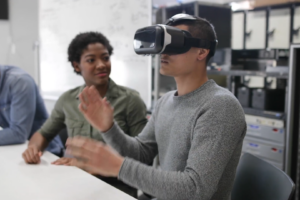
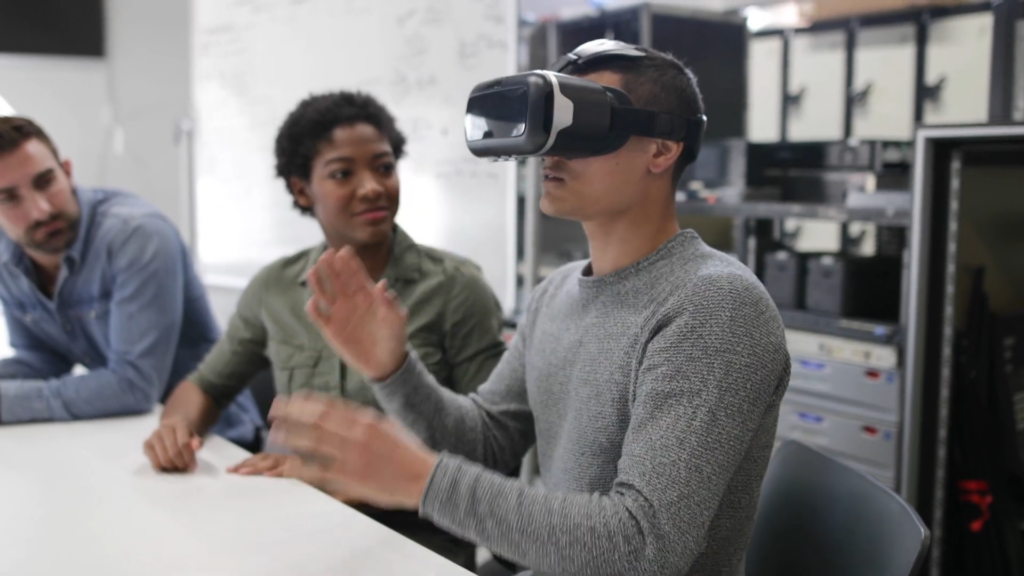
- The Visualisation, Virtual Reality and Graphic Interaction Research Group (ViRVIG) at the Universitat Politècnica de Catalunya - BarcelonaTech (UPC) has participated in the XR4ED project, an initiative that connects the educational technology (EdTech) and Extended Reality (XR) sectors, with the aim of transforming learning and training across Europe.
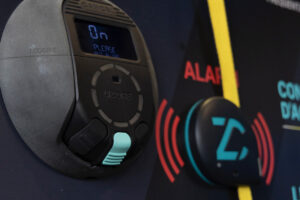
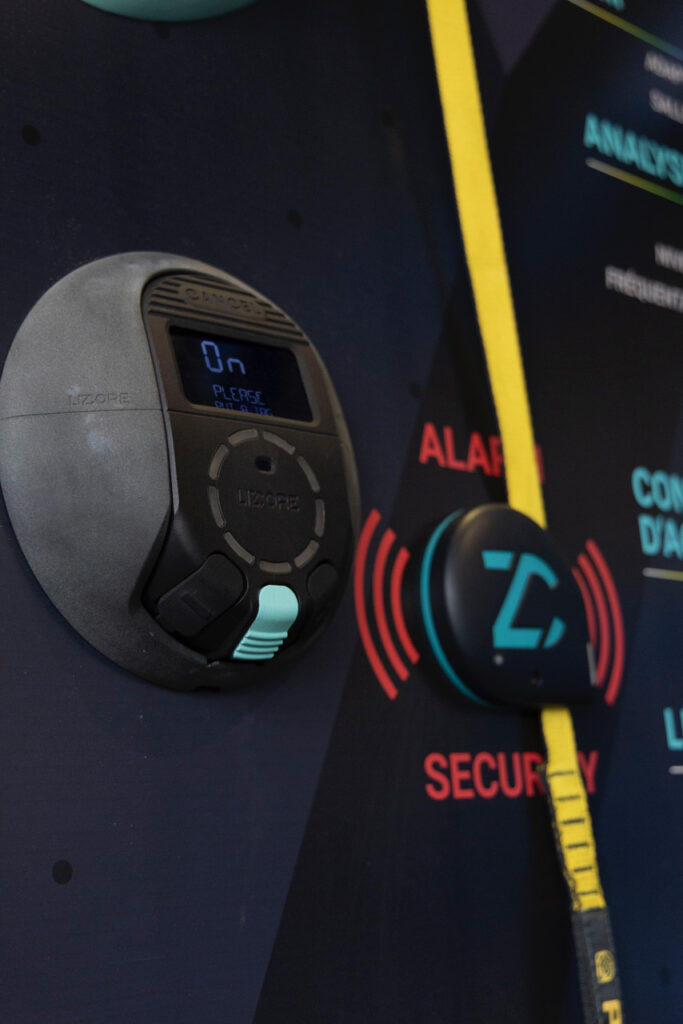
- The inLab FIB at the UPC has collaborated with Lizcore® for the development of a proof of concept based on artificial intelligence to improve safety in climbing with autobelay devices. The system allows the automatic and accurate detection of risk situations before starting a route.
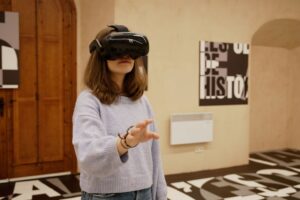
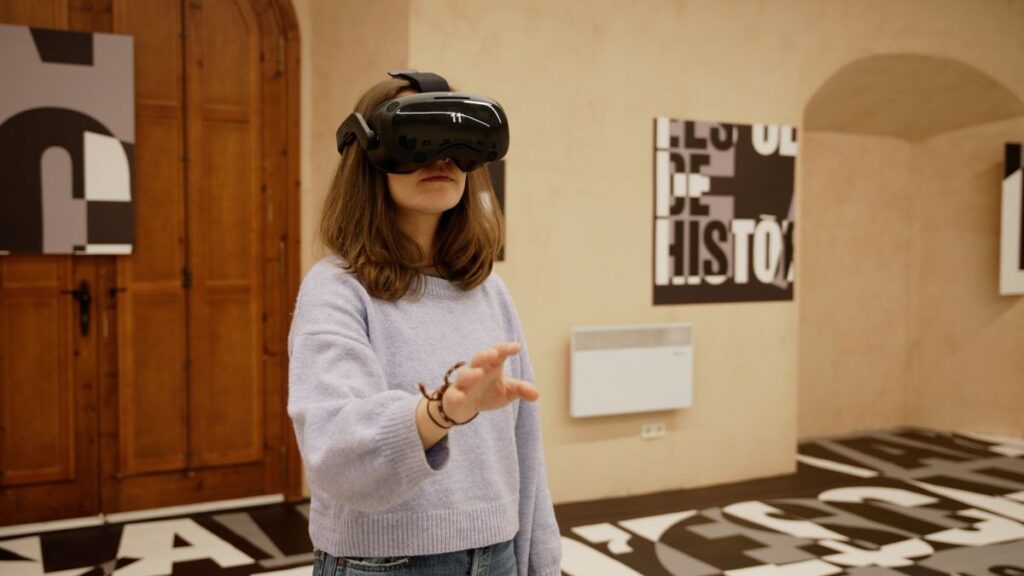
- Researchers from the Centre for Image and Multimedia Technology of the UPC (CITM) and from the DiCode research group (Digital Culture and Creative Technologies Research Group) of the Universitat Politècnica de Catalunya – BarcelonaTech (UPC) have worked on the project The Eyes of History, an initiative of the Catalan Agency for Cultural Heritage that offers an immersive view of Catalan cultural heritage. It is especially aimed at the first and second cycles of secondary education and was created to bring heritage into the classroom. Its goal is to bring the history and monuments of Catalonia closer in a vivid and innovative way, using tools such as virtual reality and new museographic narratives.
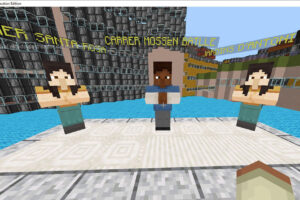
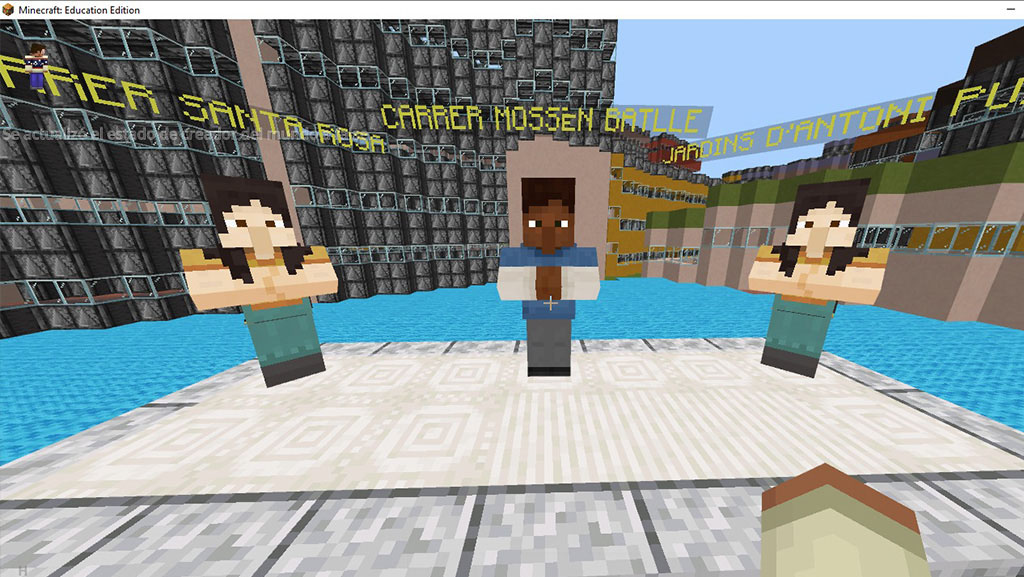
- City and Play is a social action project coordinated by researchers from the Centre for Image and Multimedia Technology (CITM) and the DiCode research group (Digital Culture and Creative Technologies Research Group) of the Universitat Politècnica de Catalunya – BarcelonaTech (UPC), the Universitat Oberta de Catalunya (UOC) and the University of Barcelona (UB), and funded by Barcelona City Council. The aim of the project is to promote civic competences and reflection on the urban environment among adolescents through the creation of an open framework that uses methodologies based on play, co-creation and storytelling.