

A biodegradable packaging is developed to avoid the use of plastic in the food field/area
February 1, 2020
Smart devices for monitoring human gait
February 1, 2020As part of the SOCRA (Software Defined Small Cell RAN Optimization) project, the Cellular and Ad-hoc Networks (GRXCA) research group has developed an algorithm for optimisation under demand of the energy consumed in 5G mobile networks.

The forecast increase in connected devices in coming years will create an unprecedented increase in the traffic that is generated, and consequently greater general use of resources in telecommunication networks and greater energy consumption by them. The increase in energy consumption has a clear economic and environmental impact. Therefore, it is vital to optimise the energy that is consumed by all network elements, according to the circulating traffic, to offer a service that is committed to the user without decreasing quality and using the least amount of energy possible.
The algorithm developed as part of SOCRA adapts the topology of the network to existing traffic conditions and regulates the use of links in the access network for users and the links between base stations in the 5G network, so that resources whose use is not considered necessary at a certain moment can enter a state of deep sleep. All this reduces the overall energy consumption of the network. The benefits of the algorithm are particularly clear at night-time, when the network load is quite low. In these circumstances, reductions in network energy consumption of up to 90% are obtained.
Currently, the capacities of the algorithm are being expanded to include positioning information. The algorithm can anticipate mobility decisions that are made by network users, and prematurely detect flows of resources requested in the near future. In this way, it can address hotspotsand dark zones.
In the context of positioning, researchers from the GRXCA group are working on new geolocation solutions for interiors that are energy efficient, so that the position of users can be determined with sufficient accuracy in conditions in which technologies such as GPS do not work (for example, in buildings, urban sewers, etc.). In particular, mechanisms are being developed with wireless technologies that are widely rolled out and easily accessible (WiFi and Bluetooth), which can offer precision of between 1 and 2 m in interiors. Currently, the group has defined algorithms whose simulation results meet the established expectations in terms of precision. The testbed phase will begin shortly.
Participants in the SOCRA project consortium are the Karlstad University (KAU) in Sweden, Huawei Technologies Sweden AB, Gotmic AB and Bluewave Microsystems AB. SOCRA lasted three years and had a budget of 510 million euros.
Technology
Topic
You want to know more?
Related Projects
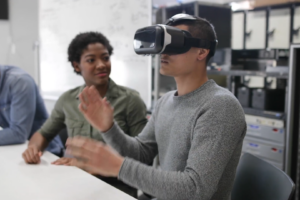
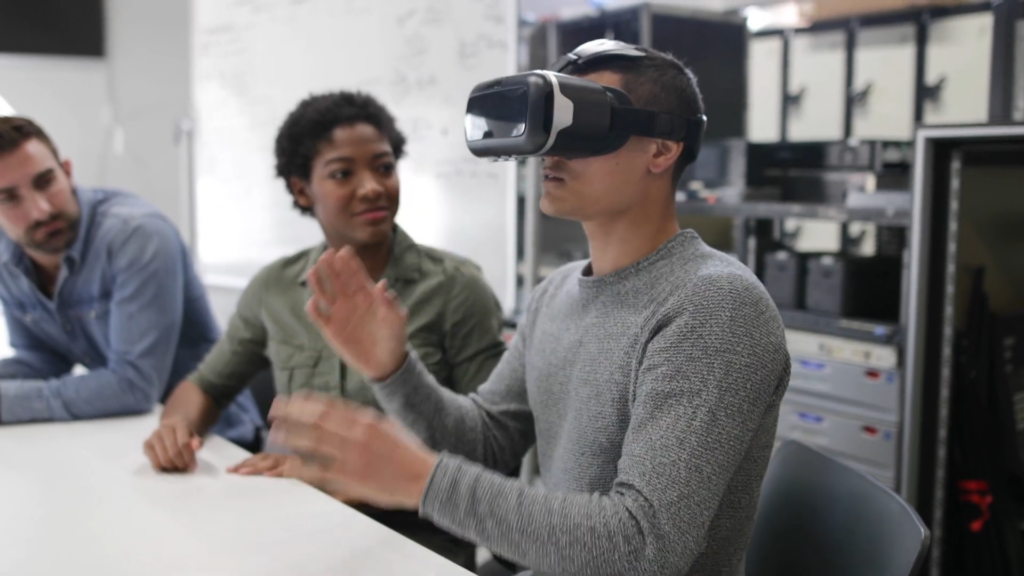
- The Visualisation, Virtual Reality and Graphic Interaction Research Group (ViRVIG) at the Universitat Politècnica de Catalunya - BarcelonaTech (UPC) has participated in the XR4ED project, an initiative that connects the educational technology (EdTech) and Extended Reality (XR) sectors, with the aim of transforming learning and training across Europe.
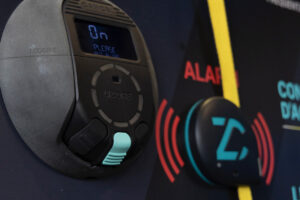
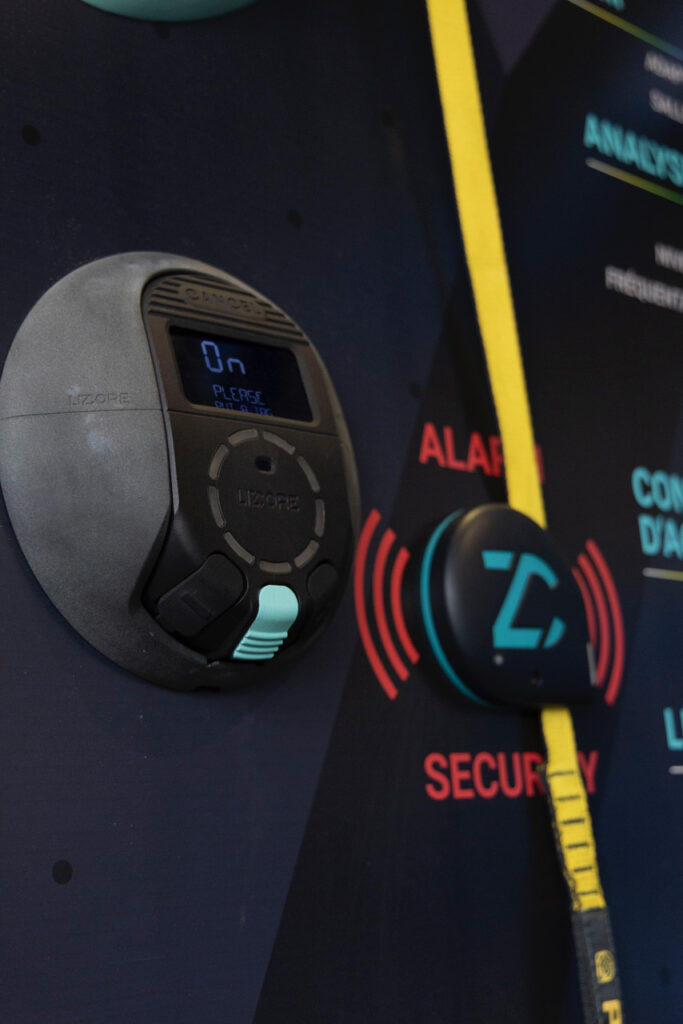
- The inLab FIB at the UPC has collaborated with Lizcore® for the development of a proof of concept based on artificial intelligence to improve safety in climbing with autobelay devices. The system allows the automatic and accurate detection of risk situations before starting a route.
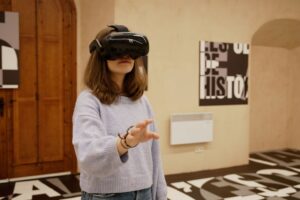
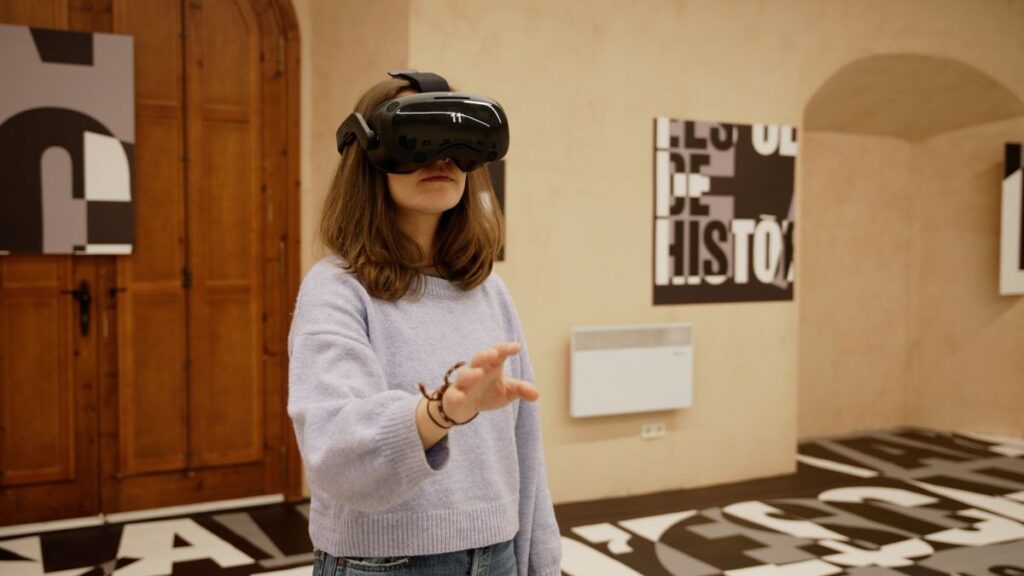
- Researchers from the Centre for Image and Multimedia Technology of the UPC (CITM) and from the DiCode research group (Digital Culture and Creative Technologies Research Group) of the Universitat Politècnica de Catalunya – BarcelonaTech (UPC) have worked on the project The Eyes of History, an initiative of the Catalan Agency for Cultural Heritage that offers an immersive view of Catalan cultural heritage. It is especially aimed at the first and second cycles of secondary education and was created to bring heritage into the classroom. Its goal is to bring the history and monuments of Catalonia closer in a vivid and innovative way, using tools such as virtual reality and new museographic narratives.
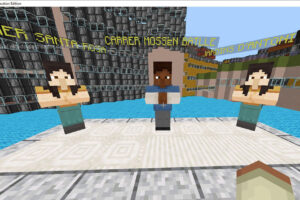
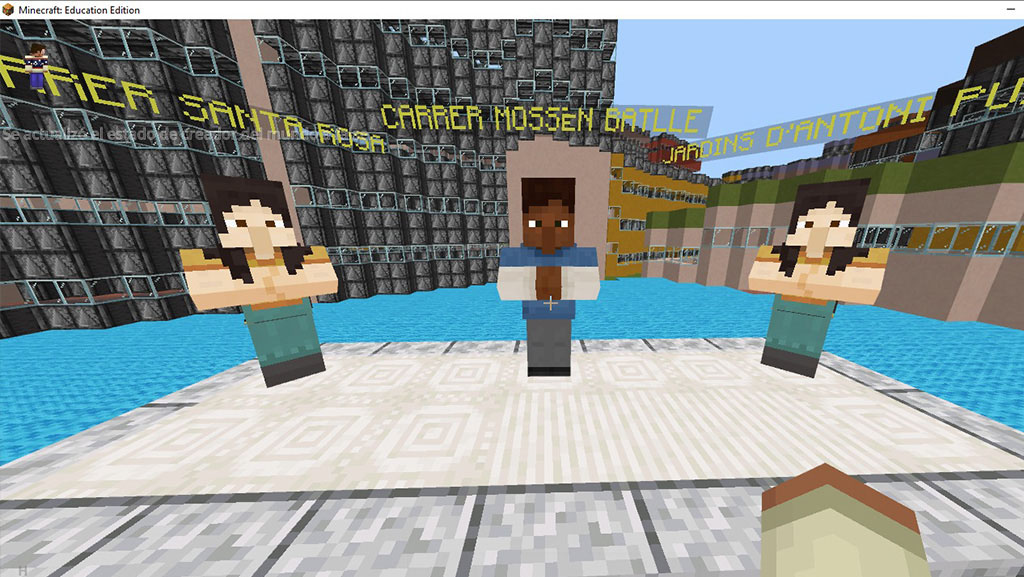
- City and Play is a social action project coordinated by researchers from the Centre for Image and Multimedia Technology (CITM) and the DiCode research group (Digital Culture and Creative Technologies Research Group) of the Universitat Politècnica de Catalunya – BarcelonaTech (UPC), the Universitat Oberta de Catalunya (UOC) and the University of Barcelona (UB), and funded by Barcelona City Council. The aim of the project is to promote civic competences and reflection on the urban environment among adolescents through the creation of an open framework that uses methodologies based on play, co-creation and storytelling.