

La Volta: an architectural symbol for Barcelona combining traditional construction and contemporary innovation
October 28, 2025
PREPARE: Proactive Response and Efficient Planning with AI for Resilient Emergencies in hospitals
November 24, 202503/11/2025
A research team from the inLab FIB at the Universitat Politècnica de Catalunya - BarcelonaTech (UPC), together with the Asociación de Personas con Movilidad Reducida (AsoPMR), has taken part in the Spot4Dis project to enhance the mobility and autonomy of people with reduced mobility.
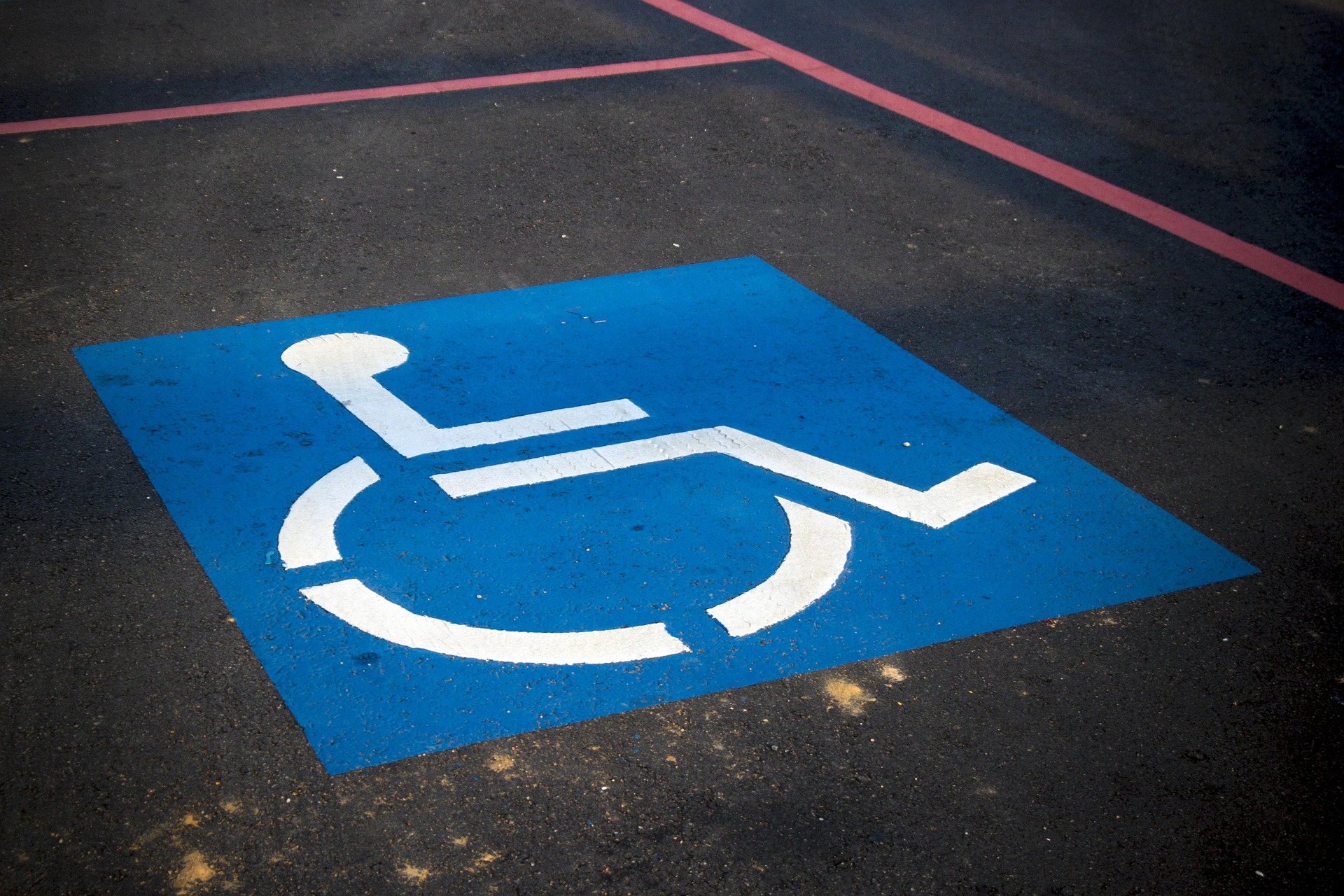
The Asociación de Personas con Movilidad Reducida (AsoPMR) supports the improvement of autonomy within this community by sharing useful information and promoting socially impactful projects. One of its key initiatives is Spot4Dis, an application designed to identify and geolocate parking spaces reserved for people with disabilities. Although it already has a database with more than 85,000 accessible parking spaces, the main challenge has been to improve the accuracy and coverage of the mapping, as well as the user experience. To address this, the project has benefited from the support of Google.org Fellows, using artificial intelligence and advanced digital tools such as voice commands, satellite imagery, and detection algorithms to expand the existing database.
Within the Spot4Dis application, inLab FIB has developed an intelligent module capable of automatically detecting parking spaces for people with reduced mobility based on:
- Satellite and street imagery
- Advanced computer vision algorithms
- Deep learning models
This module has been trained using data from five pilot cities: Valencia, Zaragoza, Badajoz, and A Coruña (Spain), and Genoa (Italy).
Impact
This new technological component will make it possible to automatically expand and update the accessible map, improving territorial coverage and reducing reliance on manual data entry.
The improvement of Spot4Dis will facilitate travel planning, reduce accessibility barriers, and strengthen the personal autonomy of thousands of people with reduced mobility. Through technology and collaboration between social organisations and research centres, the project moves towards more inclusive and accessible cities for everyone.
Budget and Funding
The project has received a total budget of 1.5M € and has a duration of one year (April 2024 – April 2025).
Technology
Sector
You want to know more?
Related Projects
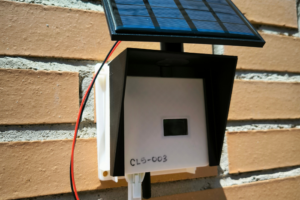
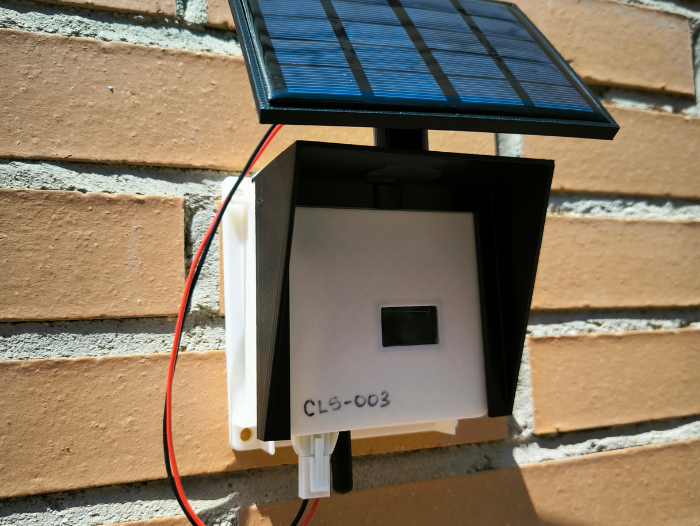
- The Communication Networks and Distributed Systems (CNDS) research group at the Universitat Politècnica de Catalunya - BarcelonaTech (UPC) is developing an innovative methodology that combines sensors, artificial intelligence and thermal imaging to identify differences in thermal comfort across urban spaces and support decision-making in response to heatwaves.
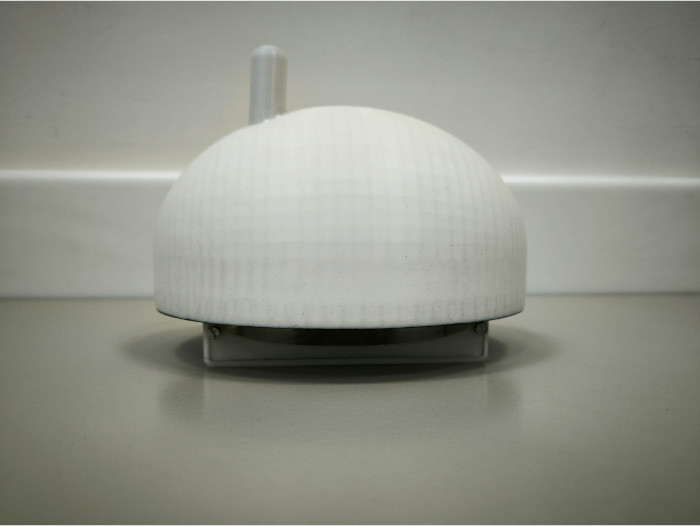
- Researchers from the Computer Networks and Distributed Systems (CNDS) research group at the Universitat Politècnica de Catalunya - BarcelonaTech (UPC) are developing new artificial intelligence-based solutions to obtain more accurate and reliable data from IoT sensor networks, with applications in air quality monitoring, anomaly detection and industrial predictive maintenance.
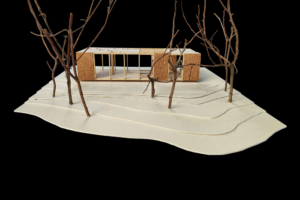
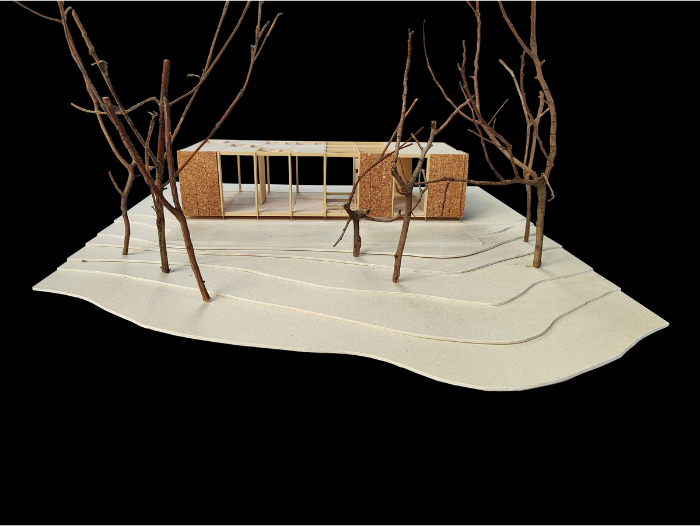
- The Casa Bosc project explores a lightweight, modular and prefabricated timber construction system designed to reduce the environmental impact of housing while making it easier to build and adapt to different contexts. The project has been developed by researchers from the Architectural Rehabilitation and Restoration Research Group (REARQ) at the Universitat Politècnica de Catalunya - BarcelonaTech (UPC) and the company ÀGORA.
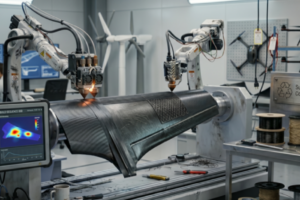
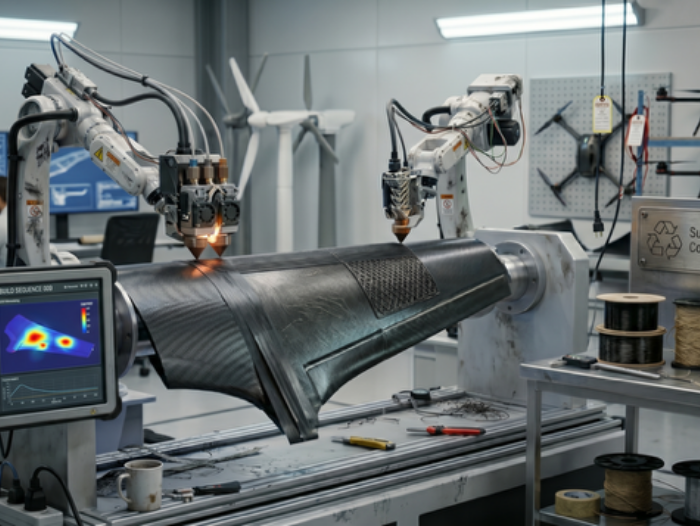
- The Control, Data and Artificial Intelligence (CoDAlab) research group at the Universitat Politècnica de Catalunya - BarcelonaTech (UPC) is taking part in the ATHENS project, which is developing recyclable thermoplastic composite materials with advanced real-time monitoring systems to improve the manufacture, safety and service life of lightweight structures.