


Spot4Dis: Smart Mapping of Accessible Parking Spaces
November 3, 2025
BIO-4D: 4D Printing of Biodegradable Shape Memory Polymeric Stents
November 27, 202524/11/2025
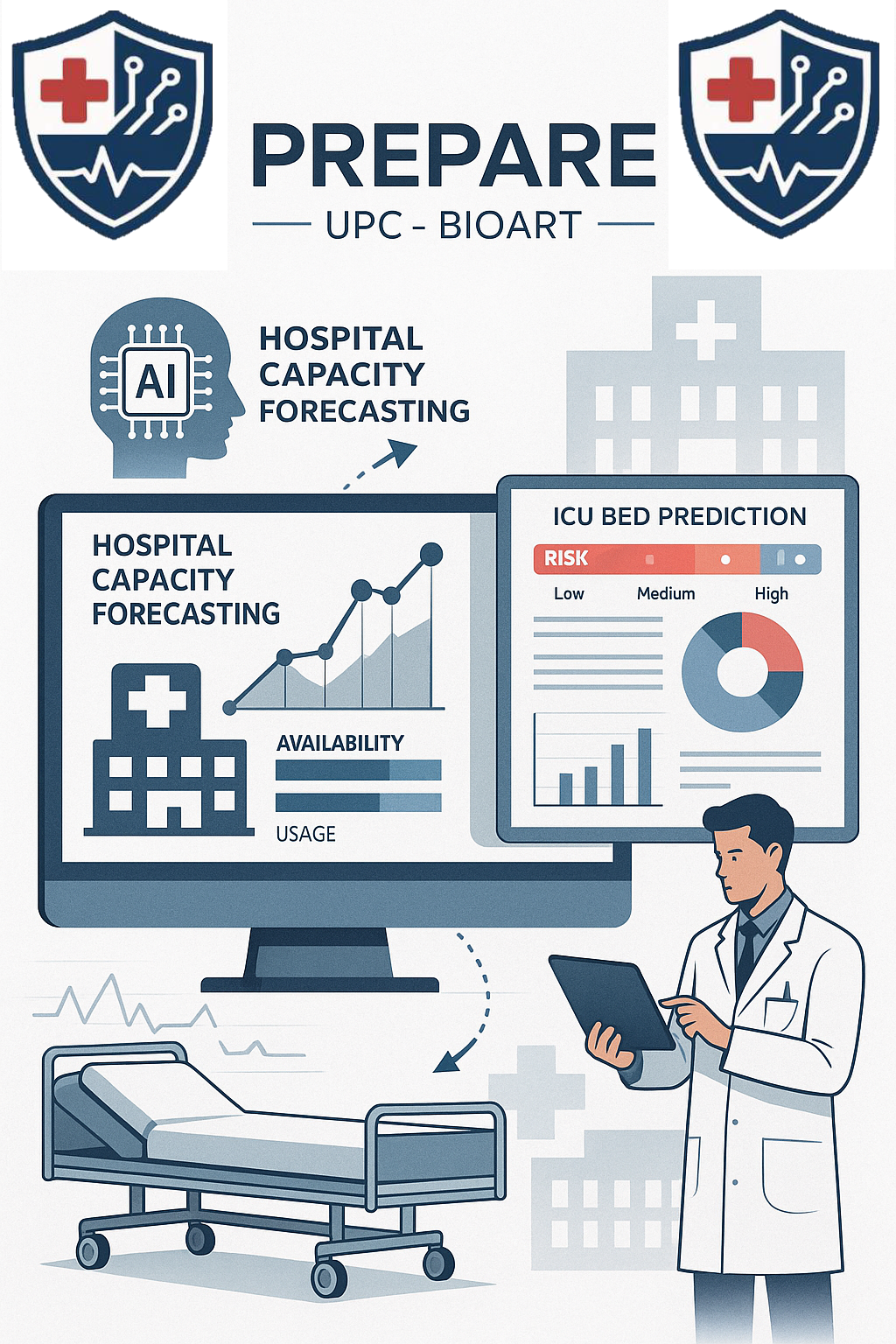
The BIOsignal Analysis for Rehabilitation and Therapy (BIOART) research group at the Universitat Politècnica de Catalunya – BarcelonaTech (UPC) coordinates the Proactive Response and Efficient Planning with AI for Resilient Emergencies in hospitals (PREPARE) project, which aims to optimise hospital preparedness during emergencies through dynamic capacity and risk assessment using artificial intelligence (AI).
This project stems from the need to improve the coordination of hospital resources in pandemic situations, enabling the anticipation of demand for human resources, equipment and consumables through AI.
The main objective of PREPARE is the real-time prediction of the need for ICU beds and ventilators to enable proactive resource allocation. To achieve this, the following tools have been developed:
- Predictive models for ICU demand, mortality risk and patient stratification.
- Machine-learning models adapted to hospital workflows.
- Real-time data integration.
- Integration with smart hospitals to achieve digital maturity.
The models have been validated with datasets from the Khorshid COVID Cohort (KCC) and the Bellvitge University Hospital, ensuring their reliability in real clinical environments. Furthermore, they have been integrated with Hospital Information Systems (HIS) to facilitate their implementation in hospital management. The results have shown high accuracy in predicting COVID-19 mortality risk, with an AUC (Area Under the Curve) of 0.872.
The technology has reached a high level of technological maturity, and its effectiveness has been validated using real-world datasets, confirming its applicability in hospital settings.
Impact
The impact of this innovation is reflected in improved hospital preparedness, better clinical outcomes for patients, and scalable integration with Hospital Information Systems (HIS).
The next steps include full integration with HIS, expanding validation with additional datasets and hospitals, pilot implementation in healthcare environments and ensuring regulatory compliance for deployment.
A patentability study has confirmed its legal and technological feasibility, with a patent application submitted to the EPO.
Budget and Funding
The project involves various stakeholders, including hospital administrators, healthcare professionals, information technology specialists and patients, all of whom benefit from improved hospital management.
PREPARE is funded by the Agència de Gestió d’Ajuts Universitaris i de Recerca (AGAUR), with a budget of € 20,000 and had a duration of 6 months (December 2024 – June 2025).
Technology
Sector
Topic
You want to know more?
Related Projects
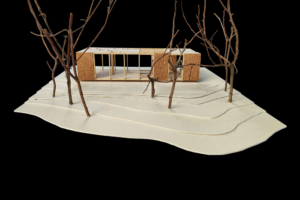
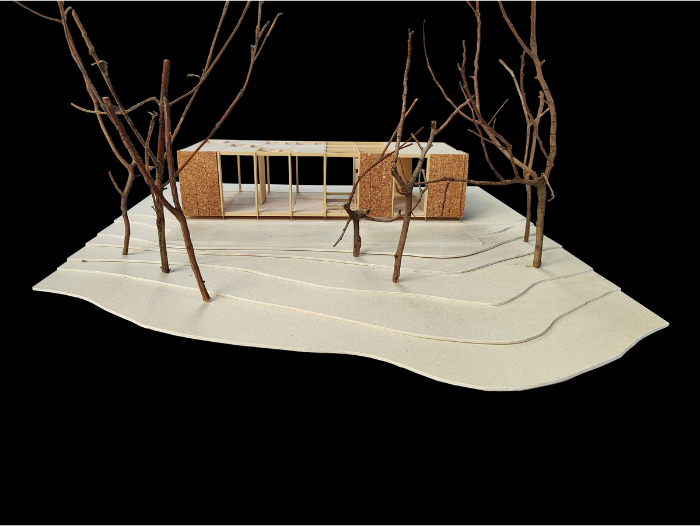
- The Casa Bosc project explores a lightweight, modular and prefabricated timber construction system designed to reduce the environmental impact of housing while making it easier to build and adapt to different contexts. The project has been developed by researchers from the Architectural Rehabilitation and Restoration Research Group (REARQ) at the Universitat Politècnica de Catalunya - BarcelonaTech (UPC) and the company ÀGORA.
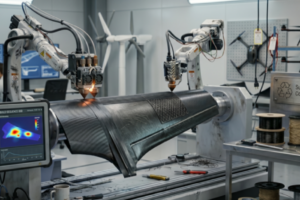
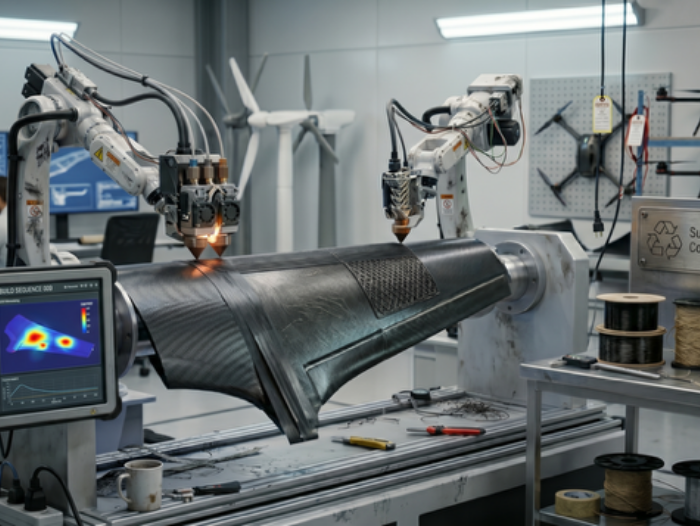
- The Control, Data and Artificial Intelligence (CoDAlab) research group at the Universitat Politècnica de Catalunya - BarcelonaTech (UPC) is taking part in the ATHENS project, which is developing recyclable thermoplastic composite materials with advanced real-time monitoring systems to improve the manufacture, safety and service life of lightweight structures.
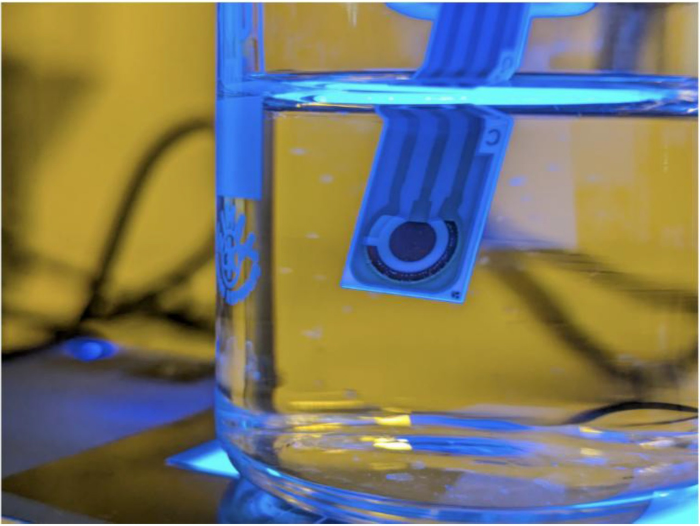
- The MICROTECH LAB - Microtechnology for the Industry research subgroup, part of the Centre for Advanced Technologies in Mechanics (CATMech) at the Universitat Politècnica de Catalunya - BarcelonaTech (UPC), is leading the technical development of a minimally invasive platform to monitor biomarkers and physiological indicators related to stress and emotional wellbeing.
- A research team from the Universitat Politècnica de Catalunya - BarcelonaTech (UPC) has participated in the M3LEC project, coordinated by the Centro de Astrobiología (CAB), a joint centre of the Spanish National Research Council (CSIC) and the Instituto Nacional de Técnica Aeroespacial (INTA), with the Universidad de Sevilla (US) / Instituto de Microelectrónica de Sevilla (IMSE) also participating. M3LEC aimed to contribute to the characterisation of the Martian atmosphere and meteorology, and to investigate new instrumentation for future planetary exploration missions.