


LENA: Continuous learning to improve AI applied to robot navigation with human interactions
April 4, 2024
CELLECOPROD: Transformation of cellulosic materials into advanced, eco-friendly bioproducts
April 24, 202417/04/2024
The Centre for Sensors, Instruments and Systems Development (CD6) at the Universitat Politècnica de Catalunya - BarcelonaTech (UPC) is participating in the development of a smart assistant device that, by combining building information modelling (BIM) with augmented reality and virtual reality technologies, provides a comprehensive tool at each stage of the construction life cycle.
One of the largest economic sectors in Europe is that of architecture, engineering and construction. However, low productivity is still a major issue in this industry, which is plagued by rework, inefficiencies and downtime, resulting in over 98% of construction projects incurring cost overruns and delays.
The main causes of these inefficiencies are a lack of: communication between parties in the construction process, adequate visualization capabilities to recognize design conflicts, tools for proper project planning and monitoring, and tools for facility operations’ management. In this context, building information modelling (BIM) methodology in combination with augmented reality (AR) and virtual reality (VR) technologies is a very useful tool to address these deficiencies. Nevertheless, companies’ level of adoption of these technologies remains low, mainly due to the technical limitations of the AR/VR devices that are used.
To solve these problems, the SASACI project aims to design and develop a smart assistant device that provides a comprehensive tool for each stage of the construction life cycle. In line with this objective, this assistant will be developed in the form of AR/VR smart glasses, which will integrate specific software for the sector.
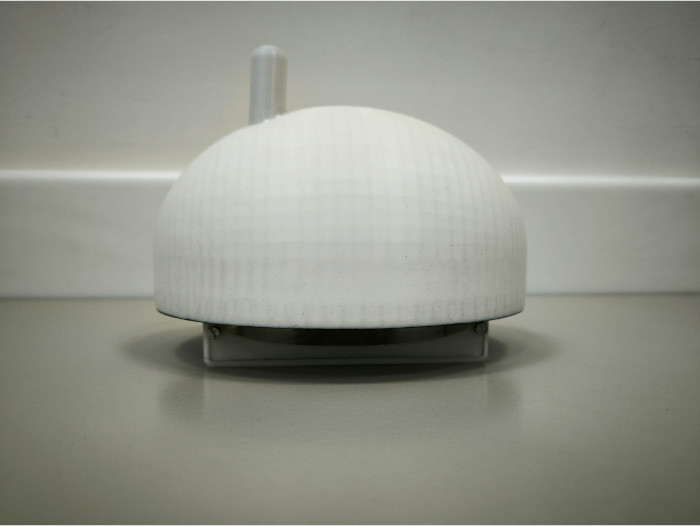
CD6 will be in charge of developing an innovative near-eye display optical system to be integrated into the AR/VR glasses. This will offer a higher level of immersion, interactivity, portability and comfort than current systems.
Consortium, budget and financing
In addition to CD6 at the UPC, the project consortium includes Inmersia Computers S.L and Yoy Simulators. SASACI has a budget of €337,853. Project Grant CPP2021-008761 was funded by MCIN/AEI/10.13039/501100011033 and by the European Union NextGenerationEU/PRTR. The project has a duration of four years (July 2022 - June 2025).


Technology
Sector
You want to know more?
Related Projects
- Researchers from the Computer Networks and Distributed Systems (CNDS) research group at the Universitat Politècnica de Catalunya - BarcelonaTech (UPC) are developing new artificial intelligence-based solutions to obtain more accurate and reliable data from IoT sensor networks, with applications in air quality monitoring, anomaly detection and industrial predictive maintenance.
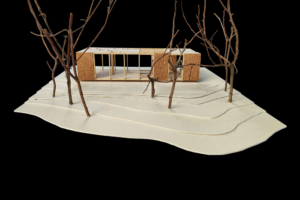
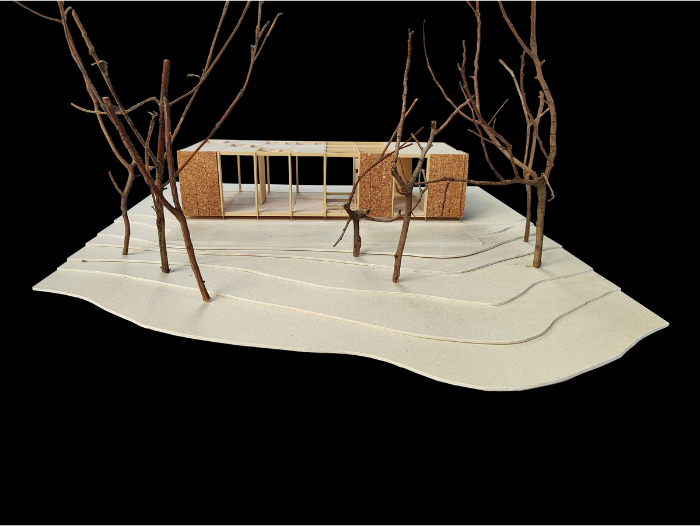
- The Casa Bosc project explores a lightweight, modular and prefabricated timber construction system designed to reduce the environmental impact of housing while making it easier to build and adapt to different contexts. The project has been developed by researchers from the Architectural Rehabilitation and Restoration Research Group (REARQ) at the Universitat Politècnica de Catalunya - BarcelonaTech (UPC) and the company ÀGORA.
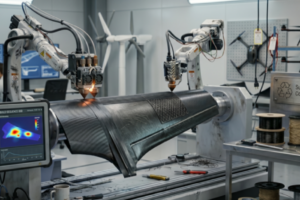
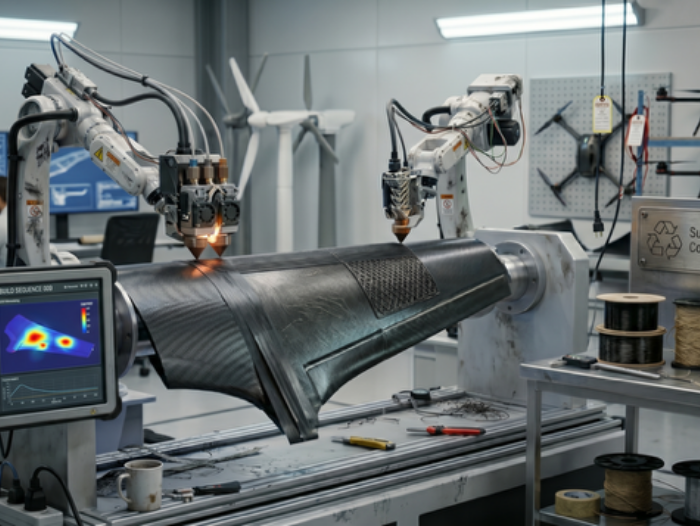
- The Control, Data and Artificial Intelligence (CoDAlab) research group at the Universitat Politècnica de Catalunya - BarcelonaTech (UPC) is taking part in the ATHENS project, which is developing recyclable thermoplastic composite materials with advanced real-time monitoring systems to improve the manufacture, safety and service life of lightweight structures.
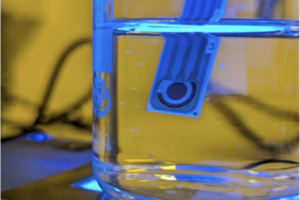
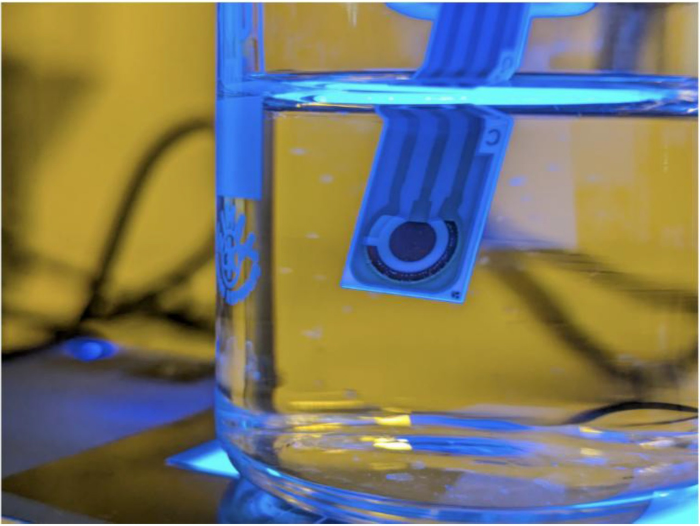
- The MICROTECH LAB - Microtechnology for the Industry research subgroup, part of the Centre for Advanced Technologies in Mechanics (CATMech) at the Universitat Politècnica de Catalunya - BarcelonaTech (UPC), is leading the technical development of a minimally invasive platform to monitor biomarkers and physiological indicators related to stress and emotional wellbeing.