


CIT UPC at the DIZ 4.0 Conference 2026: Strengthening HEIs and EDIHs Collaboration
March 30, 2026
CIT UPC, present at the 30th Anniversary event of Fedit
April 30, 2026CIT UPC at the DIZ 4.0 Conference 2026: Strengthening HEIs and EDIHs Collaboration
March 30, 2026CIT UPC, present at the 30th Anniversary event of Fedit
April 30, 202608/04/2026
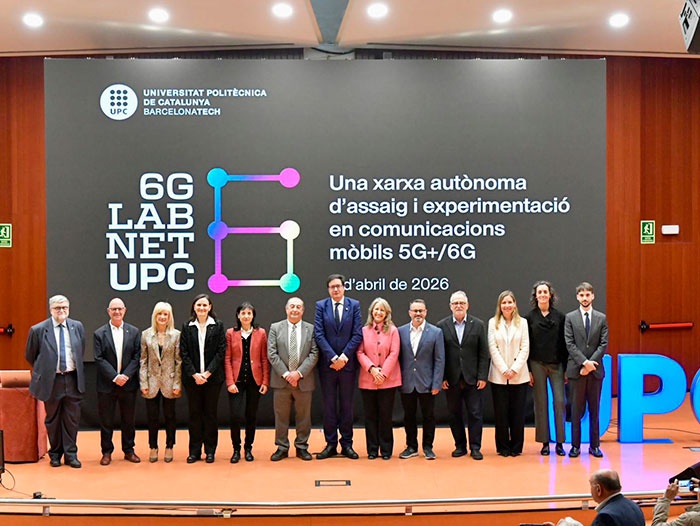
On 8 April, UPC unveiled 6G LabNet UPC, an autonomous experimental network designed to test and validate next-generation mobile communications technologies and services in real-world environments. Serving research, teaching, public administration and industry, the infrastructure is a state-of-the-art scientific facility in Europe and will play a key role in accelerating innovation in AI-enabled 6G technology.
The adoption of 6G technologies will have a direct impact on different areas of society, with applications such as safe autonomous driving, the use of drones to speed up the delivery of medical supplies, or to achieve a more efficient management of emergency services, among others. The implementation of these new technologies requires experimental infrastructures to carry out tests that are as faithful as possible to real environments and that make it possible to test the different solutions before deploying them commercially.
Now, this is already possible at 6GLabNet of the Universitat Politècnica de Catalunya - BarcelonaTech (UPC), a unique cutting-edge infrastructure in Europe and a pioneer in Spain that has been launched to experiment with 5G+ and 6G communication technologies with AI, reduce technological risks and facilitate the validation of innovative solutions in a real and controlled environment.
A 32 km hybrid 6G network
6GLabNet UPC is a large laboratory for designing, validating and optimising technological solutions based on advanced 5G networks and future 6G technologies. The infrastructure combines a high-capacity fibre optic network with a 5G+ mobile network to ensure a smooth transition towards 6G technology. The result is a private mobile communications network with ultra-low latency (less than 1 millisecond), a fundamental feature for the development of future communications, as it means an extreme reduction in response time during data transmission. In addition, the network is implemented through flexible and scalable systems, capable of adapting to the pace of development of 6G applications.
6GLabNet integrates and merges the communications network with artificial intelligence, offering AI as a service. Through intelligent AI agents, at the edge of the network and in the cloud, communications are combined with computing and storage capacity to self-configure and self-manage the network with minimal human intervention.
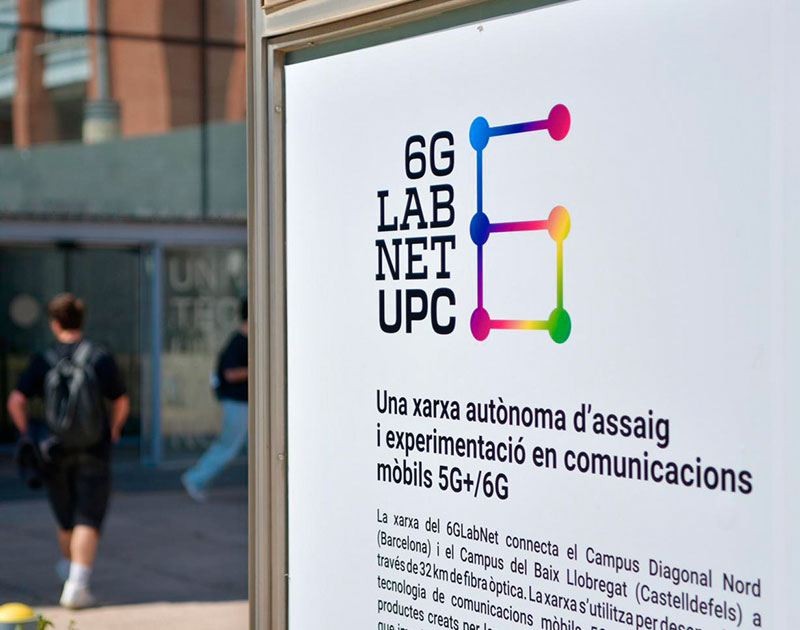
The 6GLabNet network connects Barcelona’s Diagonal Nord Campus and the Baix Llobregat Campus, in Castelldefels, through 32 km of fibre optic cable provided by the Generalitat de Catalunya. Each campus acts as a data transmission and reception node through the antennas installed there, with data fused through artificial intelligence technologies.
This unique infrastructure is one of the few platforms of its kind in Europe and is the first in Spain to incorporate outdoor base stations in millimetre-wave frequencies, integrate a wide range of technologies and enable full fibre optic connectivity to test solutions in real geographical scenarios beyond the laboratory, reducing development time, minimising deployment risks and improving operational efficiency. The network guarantees high-speed and reliable connections for the monitoring, validation and deployment of new devices, services and applications based on 6G technology. Likewise, the dual 5G core, one on each campus, offers robustness and resilience in the event of possible failures.
The network is used to develop 5G+ and 6G mobile communications technology, test new products created by companies and deliver teaching in the two UPC schools driving the project: the Barcelona School of Telecommunications Engineering (ETSETB) and the Castelldefels School of Telecommunications and Aerospace Engineering (EETAC).
At present, the new infrastructure is being used to develop mobility and artificial intelligence projects such as assisted driving, 6G-EWOC, or the autonomous vehicle project, and to test AI applications in agriculture at Agròpolis in Viladecans, as well as with drones, next-generation mobile phones, Industry 4.0 solutions, advanced robotics or augmented reality and real-time vision. In addition to this large infrastructure, emulators and measurement equipment are also available to support research, thus forming a more complete platform.
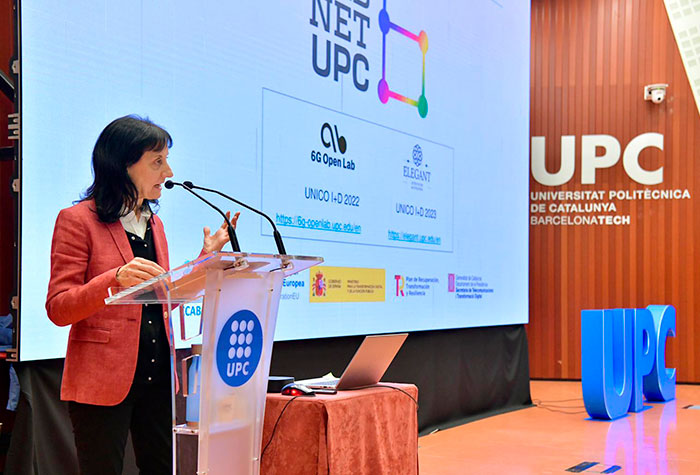
The creation of this experimentation platform is the result of the work of several research groups from UPC’s Advanced Broadband Communications Center (CCABA), within the two projects 6G-OpenLab (launched in September 2022) and ELEGANT (launched in April 2023). The development of the platform has been funded with 4 million euros from the European Horizon 2020 programme and channelled through the UNICO I+D 6G programme of the Ministry for Digital Transformation and the Civil Service.
Presentation of 6GLabNet UPC
At the presentation event for the new infrastructure, which was held simultaneously at the Diagonal Nord Campus in Barcelona and at the Baix Llobregat Campus in Castelldefels, speeches were given by the Minister for Digital Transformation and the Civil Service, Óscar López; the Councillor Delegate for Universities of Castelldefels City Council, Guillermo Massana; the rector of UPC, Francesc Torres; the fourth deputy mayor of Barcelona City Council, Jordi Valls; the vice-rector for Research, Pedro Díez; as well as the researchers responsible for the projects, José Antonio Lázaro and Anna Umbert, from ETSETB, and Cristina Cervelló Pastor, from EETAC, together with the engineer Sebastià Sallent, also from EETAC. Other authorities also attended.
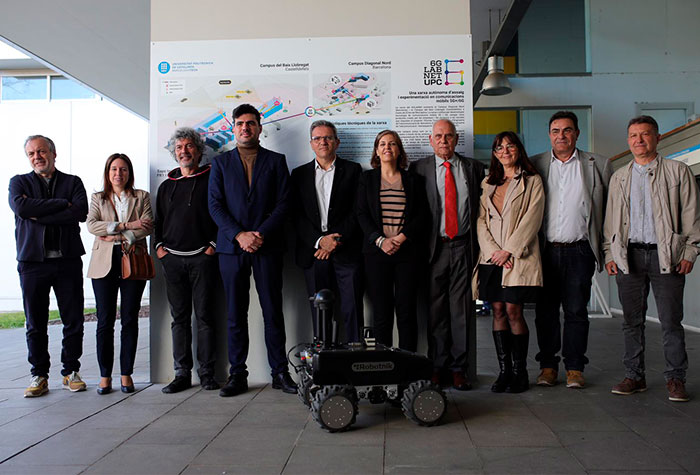
The presentation of 6GLabNet included a demonstration of the technological capabilities of the new infrastructure: from Barcelona, a drone located in the DroneLab of the Baix Llobregat Campus was piloted in real time, and from that same campus, a robotic and autonomous vehicle developed at UPC was showcased. A vehicle equipped by UPC’s Centre for Sensors, Instruments and Systems Development (CD6) could also be seen in front of the Diagonal Nord Campus. It is an experimental prototype equipped with AI and optical sensors used to research how to improve autonomous driving.
The launch of this scientific and technological infrastructure is a strategic milestone for research in advanced communications and for the technological progress of Catalonia, consolidating UPC as an international reference node in the deployment of 5G+ and 6G technologies with AI.
More information: CCABA: 6G LABNET UPC



Related Projects
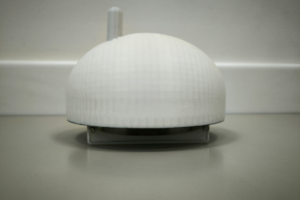
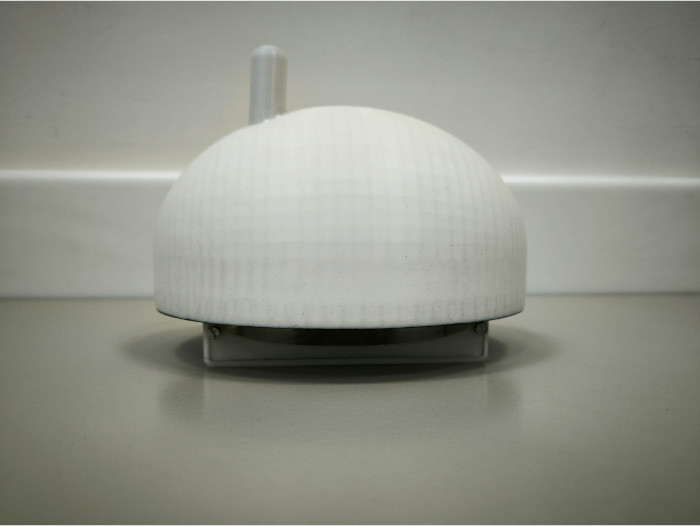
- Researchers from the Computer Networks and Distributed Systems (CNDS) research group at the Universitat Politècnica de Catalunya - BarcelonaTech (UPC) are developing new artificial intelligence-based solutions to obtain more accurate and reliable data from IoT sensor networks, with applications in air quality monitoring, anomaly detection and industrial predictive maintenance.
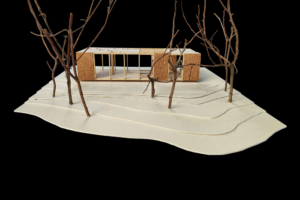
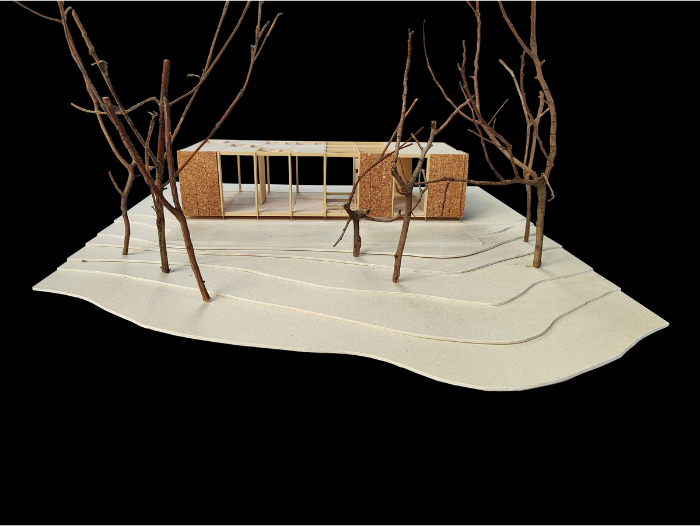
- The Casa Bosc project explores a lightweight, modular and prefabricated timber construction system designed to reduce the environmental impact of housing while making it easier to build and adapt to different contexts. The project has been developed by researchers from the Architectural Rehabilitation and Restoration Research Group (REARQ) at the Universitat Politècnica de Catalunya - BarcelonaTech (UPC) and the company ÀGORA.
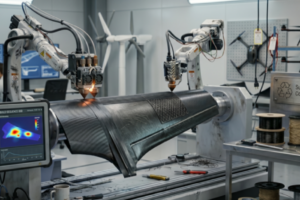
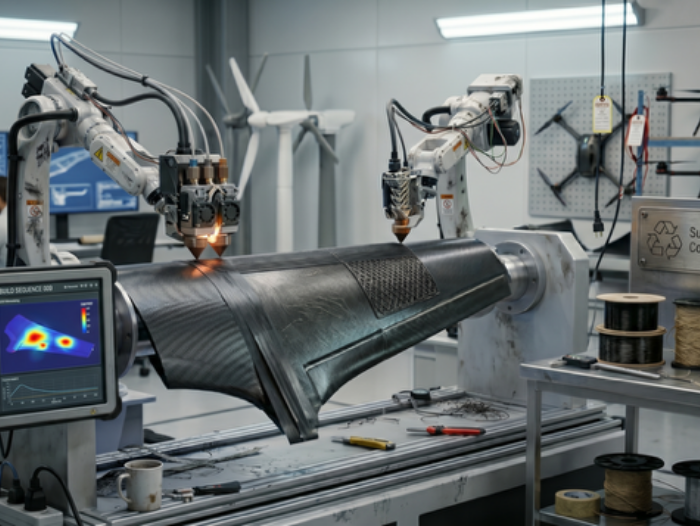
- The Control, Data and Artificial Intelligence (CoDAlab) research group at the Universitat Politècnica de Catalunya - BarcelonaTech (UPC) is taking part in the ATHENS project, which is developing recyclable thermoplastic composite materials with advanced real-time monitoring systems to improve the manufacture, safety and service life of lightweight structures.
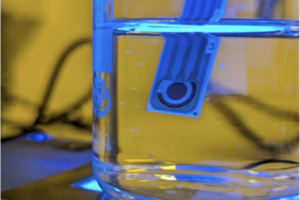
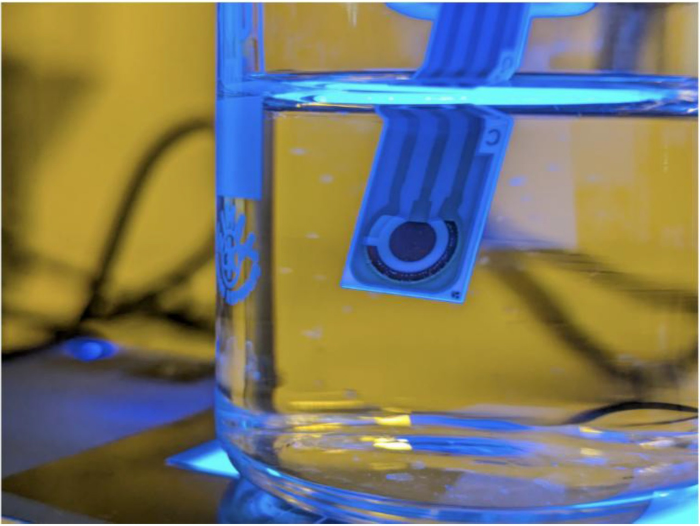
- The MICROTECH LAB - Microtechnology for the Industry research subgroup, part of the Centre for Advanced Technologies in Mechanics (CATMech) at the Universitat Politècnica de Catalunya - BarcelonaTech (UPC), is leading the technical development of a minimally invasive platform to monitor biomarkers and physiological indicators related to stress and emotional wellbeing.