

CIT UPC, present at meetechSpain
April 12, 2023
New call of the Ministry of Science and Innovation for Cervera R&D transfer projects
May 3, 2023CIT UPC, present at meetechSpain
April 12, 2023New call of the Ministry of Science and Innovation for Cervera R&D transfer projects
May 3, 202327/04/2023
UPC has created a new online platform to increase the visibility of the University's scientific and technical infrastructure and services and make it easier for companies, government bodies and the scientific community to access them.
The Universitat Politècnica de Catalunya - BarcelonaTech (UPC) has 35 laboratories that carry out research activities and bring together over 450 services with fees. It also has over 45 notable scientific infrastructures such as the Barcelona Research Center in Multiscale Science and Engineering, the Environment Centre Laboratory, and the Maritime Research and Experimentation Wave Flume (CIEM) of the Maritime Engineering Laboratory (LIM), among others. In addition, the University has over 950 lines of service in the areas of advanced materials, industry, health tech, architecture and urbanism, construction and infrastructure, mobility, agro-tech, energy, sustainability and the environment, computing and calculation, telecommunications systems, artificial intelligence and industry 4.0.
The new Technical and Scientific Services portal of the UPC, which is available in Catalan, Spanish and English, is presented as a one-stop shop so that companies, government bodies and the scientific community can consult the wide range of lines of service that are offered in different areas, the list of outstanding scientific infrastructure, and the availability and corresponding fees. The website also increases the visibility of these services. Through the website, which is updated periodically, it is easier to identify services. Requests are managed and direct contact is made with University research groups and technical staff in the various services and laboratories.
UPC is a leading university in research and knowledge transfer and a leader in raising funds for international research projects. It was the Spanish university that received most funds for the research and innovation programme Horizon Europe for the period 2021-2022. In 2021, the university received 70.2 million euros for its research, development and innovation activities. It developed 1,064 projects with companies and earned over 1.8 million euros for services.

Related Projects
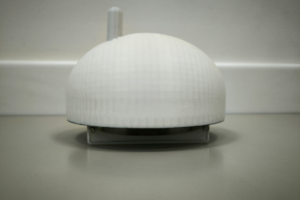
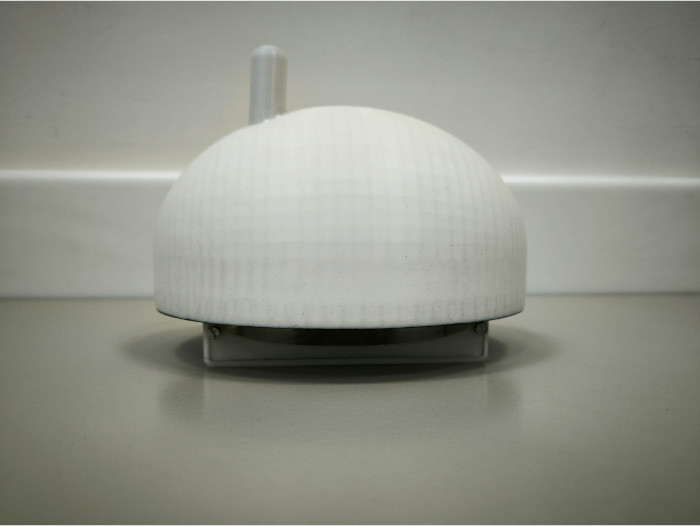
- Researchers from the Computer Networks and Distributed Systems (CNDS) research group at the Universitat Politècnica de Catalunya - BarcelonaTech (UPC) are developing new artificial intelligence-based solutions to obtain more accurate and reliable data from IoT sensor networks, with applications in air quality monitoring, anomaly detection and industrial predictive maintenance.
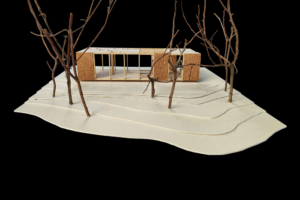
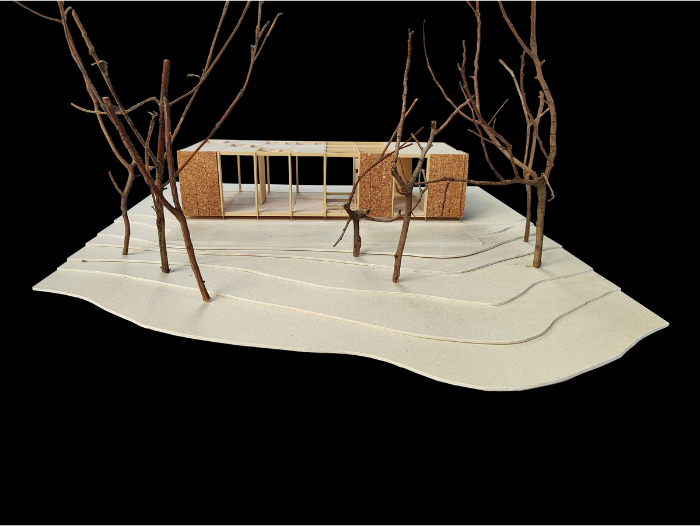
- The Casa Bosc project explores a lightweight, modular and prefabricated timber construction system designed to reduce the environmental impact of housing while making it easier to build and adapt to different contexts. The project has been developed by researchers from the Architectural Rehabilitation and Restoration Research Group (REARQ) at the Universitat Politècnica de Catalunya - BarcelonaTech (UPC) and the company ÀGORA.
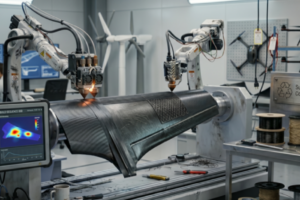
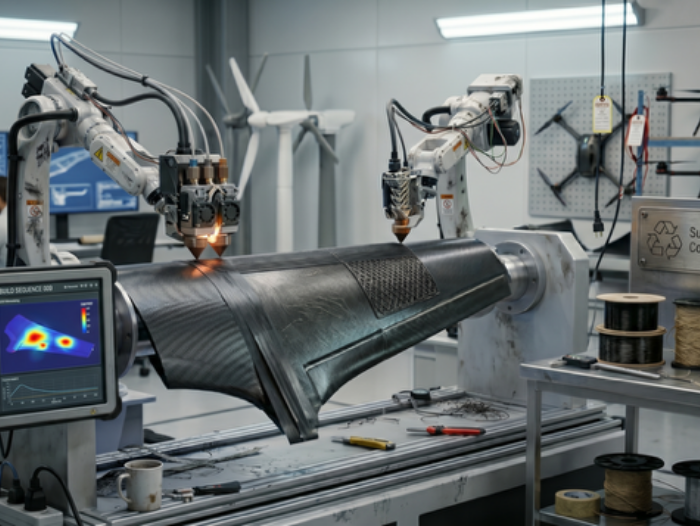
- The Control, Data and Artificial Intelligence (CoDAlab) research group at the Universitat Politècnica de Catalunya - BarcelonaTech (UPC) is taking part in the ATHENS project, which is developing recyclable thermoplastic composite materials with advanced real-time monitoring systems to improve the manufacture, safety and service life of lightweight structures.
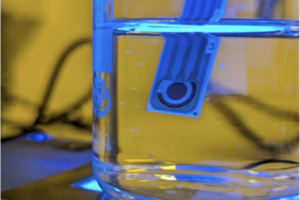
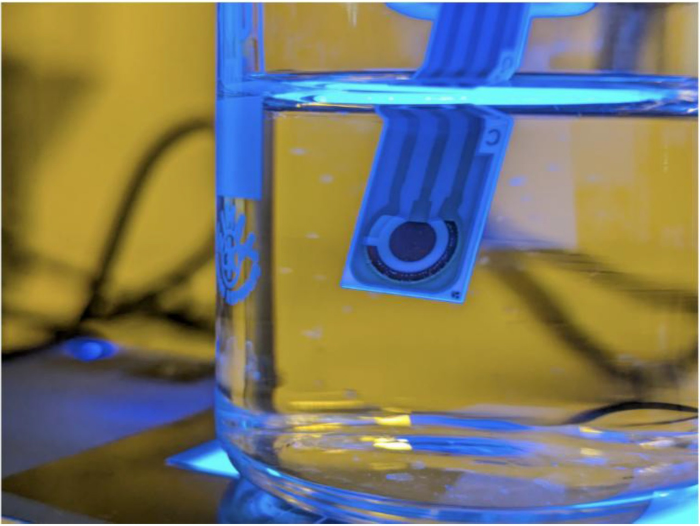
- The MICROTECH LAB - Microtechnology for the Industry research subgroup, part of the Centre for Advanced Technologies in Mechanics (CATMech) at the Universitat Politècnica de Catalunya - BarcelonaTech (UPC), is leading the technical development of a minimally invasive platform to monitor biomarkers and physiological indicators related to stress and emotional wellbeing.