

New simulation tools for energy optimisation in aircraft in aircraft environmental control systems
December 31, 2019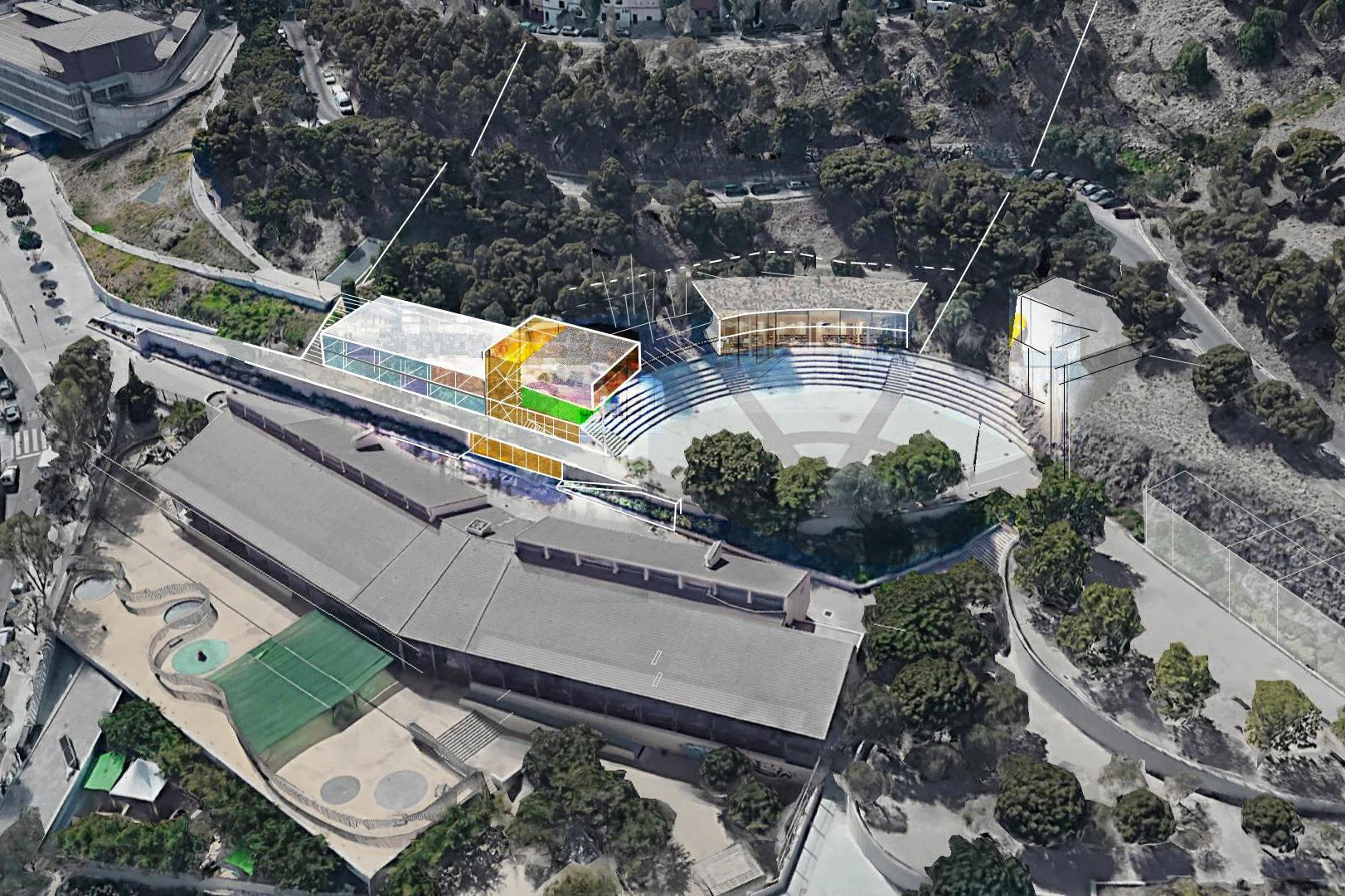
Feasibility study for the location of a new youth centre in the Nou Barris neighbourhood (Roquetes)
December 31, 2019
The results suggest that, in general, the population does not understand what EPC classes measure or the underlying architectural attributes. Some estate agents also confuse the purpose of the energy classes and consider that they are similar to indicators of comfort or residential quality. In contrast, when people are clearly informed in understandable units about energy efficiency, the underlying architectural attributes and the financial and environmental impacts, they say that they are willing to pay more for efficient dwellings or at least the same amount as represented by the energy saving, and they give more importance to efficiency than other attributes. According to the professionals, the banalisation of EPC classes is widespread, as they are considered to be a mere procedure. Some malpractice is even indicated in the creation of the classes, as well as failure to include them in real estate advertising. In addition, it is indicated that their low cost leads to a brief energy evaluation, in some cases even without visiting the dwelling.
In turn, the econometric models suggest a positive correlation between EPC classes and residential prices, although this correlation is moderate in comparison with other EU countries. The incidence is uneven: it seems that it is higher in cities with few highly efficient dwellings and inverted in cities where advertising cannot be rigorously monitored. That is, there is a greater increase in prices. It has also been observed that the economic impact is very high in more inefficient dwellings in lower-income neighbourhoods. In contrast, in new dwellings with attributes of architectural quality such as facilities, good qualities. etc., it has no impact. This suggests that the EPC classes are not fully understood. In the absence of quality attributes, EPC classes play an unsuitable role in real estate differentiation. Indirectly, this environmental policy is widening the gap between dwellings with extreme income levels, as those who are most in need do not have real opportunities for energy efficiency in their dwellings.
The project was funded by the Ministry of Economy and Competitiveness and the European Regional Development Funds (ERDF). Spanish National Programme of Research, Development and Innovation Oriented to the Challenges of Society, 2015 call.

Related Projects
- The La Volta project foresees the construction of a large Catalan vault pergola within the Llars Mundet campus, in the Montbau neighbourhood (Horta-Guinardó district). This structure will become a new architectural landmark for Barcelona, combining traditional construction techniques with contemporary innovation. The project involves the Rehabilitation and Architectural Restoration Research Group (REARQ), at the Universitat Politècnica de Catalunya - BarcelonaTech (UPC), and is led by the Architects’ Association of Catalonia (COAC) and the Barcelona Provincial Council.
- The Architecture, Energy and Environment (AiEM) research group at the Universitat Politècnica de Catalunya - BarcelonaTech (UPC) has characterised Barcelona’s residential buildings according to their capacity to adapt to climate change. This study is part of the project ‘VeUvE: Urban havens for vulnerable zones’. The work highlights the climate inequality conditions present across different areas of the city and will help to better define the priorities and energy renovation strategies for its districts.
- The Research Center for Supervision, Safety and Automatic Control (CS2AC-UPC) at the Universitat Politècnica de Catalunya - BarcelonaTech (UPC) has coordinated the SaCoAV project, focused on researching new methods and tools to ensure the safe coordination of autonomous vehicles in urban environments.
- The Centre for Technological Risk Studies (CERTEC) at UPC is participating in the WUITIPS project (Wildland-Urban-Interface Fire Touristic Infrastructure Protection Solutions), which aims to develop a new wildfire management framework for the tourism sector. This project contributes to risk analysis and the design of specific strategies to mitigate such risks.