

GOPHYTOVID: Optimisation of the use of plant health products based on plant vigour maps
January 11, 2022
A pioneering system to facilitate clothes recycling
January 17, 2022The ARIADNA project ended formally with an event held on 18 November at the Tomorrow Mobility Congress, organised as part of the Smart City Expo World Congress.

ARIADNA was created to support the use of GALILEO, the European Global Navigation Satellite System (EGNSS), to promote applications and improve urban mobility services and public transport. The aim was also to ensure the accuracy, integrity and continuity of the geolocation signal, especially in dense urban settings.
As part of the project, several key reports have been published on EGNSS technologies and their applications and benefits, including the White Paper EGNSS technology in Urban Mobility and Public Transport. This is an in-depth analysis of how the incorporation of Galileo has a positive impact on all existing GNSS applications for urban mobility services and even enables new ones to be devised.

ARIADNA has collected specific experiences of actors in urban mobility, such as Transport Metropolità de Barcelona (TMB) on the integration of Galileo to improve their mobility services, particularly public transport, shared mobility and mobility on demand.
ARIADNA has developed the Galileo Demo Kit (GDK), a complete hardware and software solution that can be used to show in real time the difference in positioning performance between a multi-constellation receptor and a GPS-only receptor. The GDK is available for all interested parties to assess the increase in performance using receptors provided by Galileo for their specific applications.
During the two years of the project, several hackathons were carried out, as well as a City Forum of activities, webinars, and training and communication materials, among other actions.
The ARIADNA project lasted two years (December 2019 – December 2021). It received funding from the European Union Agency for the Space Programme (EUSPA). ARIADNA was coordinated by the Spanish company Factual Consulting. Its consortium had five members in three European countries. Other participants in addition to the CIT UPC were the Union Internationale des Transports Publics (UITP), Pildo Consulting and Auxilia.
Related news items:
ARIADNA a l’International Mobility Congress 2021 / Se celebra la ‘1st Hack ARIADNA 2020’ / ARIADNA Webinar: GALILEO for Green & Resilient Cities.
You want to know more?
Related Projects
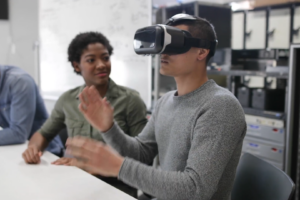
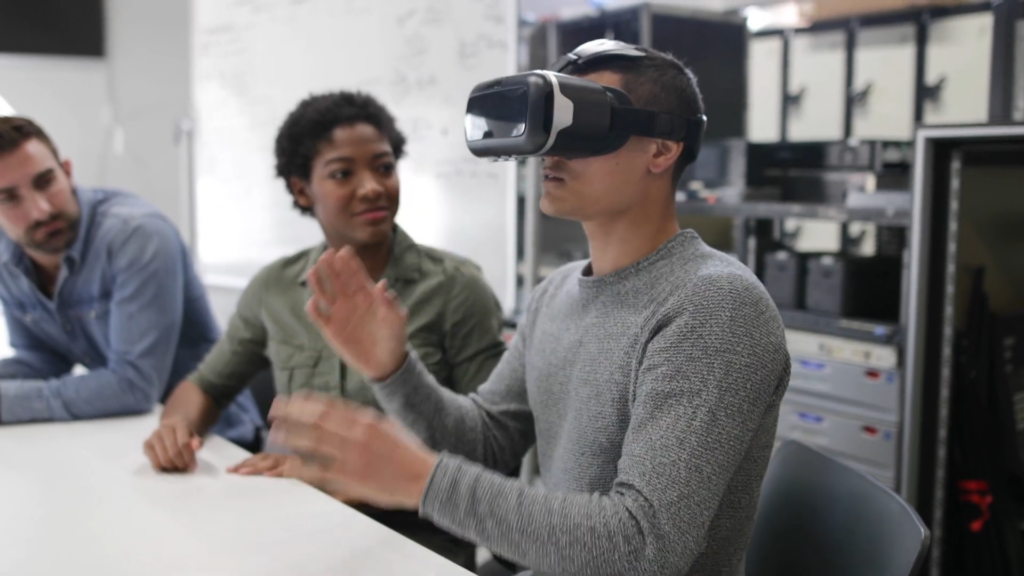
- The Visualisation, Virtual Reality and Graphic Interaction Research Group (ViRVIG) at the Universitat Politècnica de Catalunya - BarcelonaTech (UPC) has participated in the XR4ED project, an initiative that connects the educational technology (EdTech) and Extended Reality (XR) sectors, with the aim of transforming learning and training across Europe.
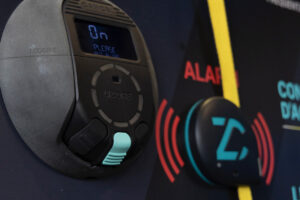
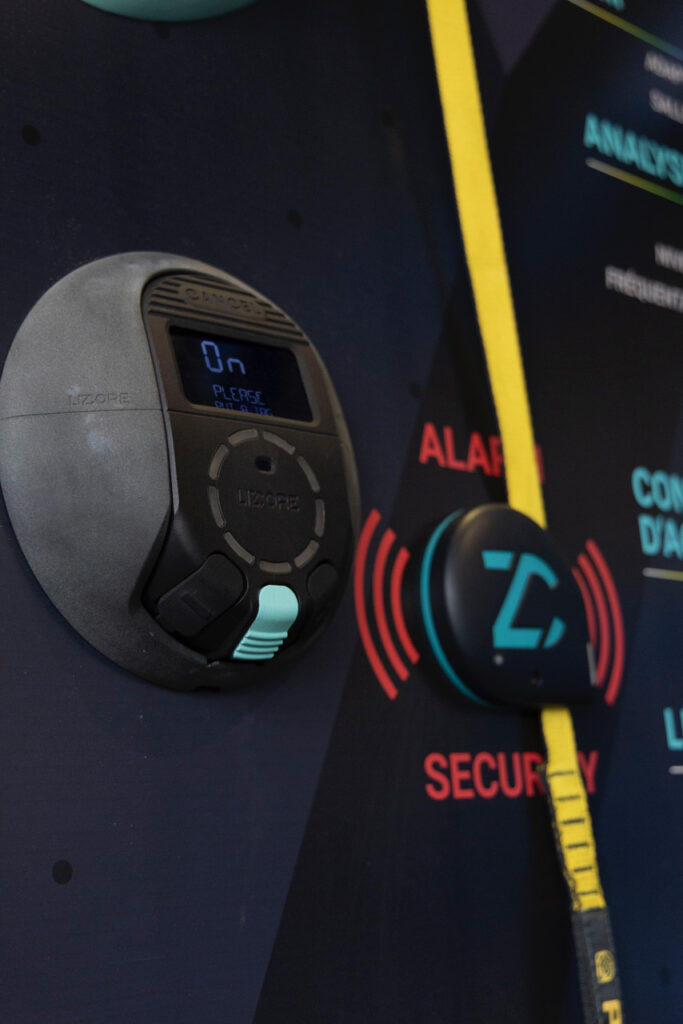
- The inLab FIB at the UPC has collaborated with Lizcore® for the development of a proof of concept based on artificial intelligence to improve safety in climbing with autobelay devices. The system allows the automatic and accurate detection of risk situations before starting a route.
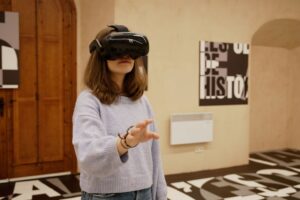
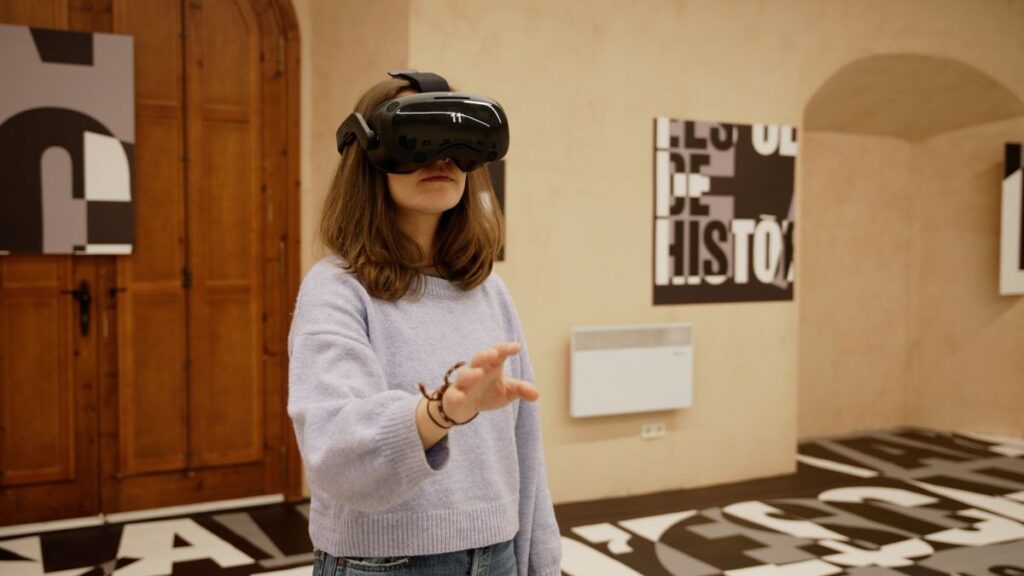
- Researchers from the Centre for Image and Multimedia Technology of the UPC (CITM) and from the DiCode research group (Digital Culture and Creative Technologies Research Group) of the Universitat Politècnica de Catalunya – BarcelonaTech (UPC) have worked on the project The Eyes of History, an initiative of the Catalan Agency for Cultural Heritage that offers an immersive view of Catalan cultural heritage. It is especially aimed at the first and second cycles of secondary education and was created to bring heritage into the classroom. Its goal is to bring the history and monuments of Catalonia closer in a vivid and innovative way, using tools such as virtual reality and new museographic narratives.
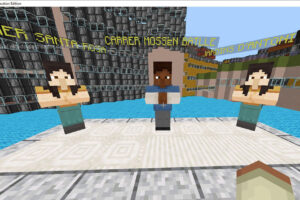
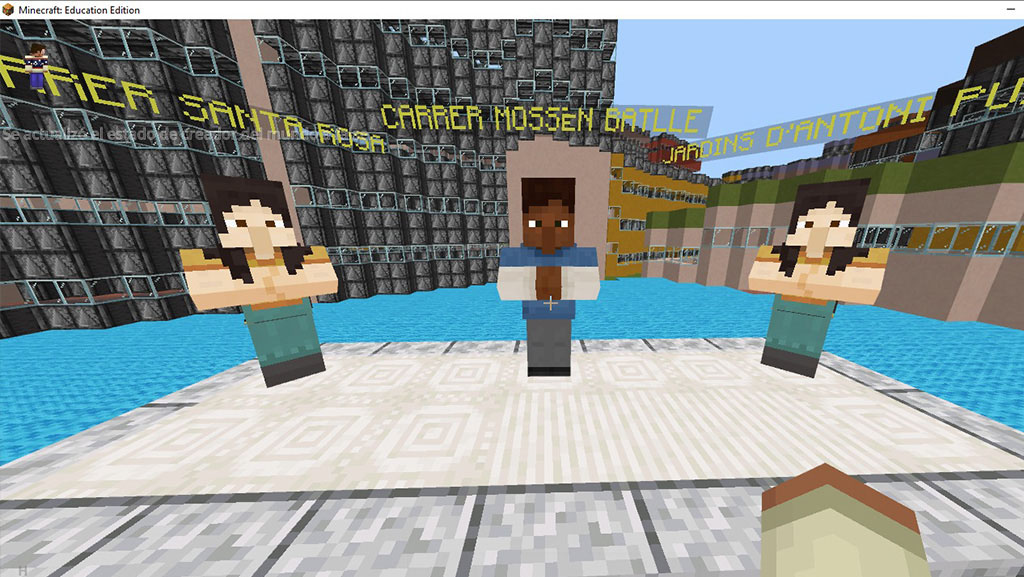
- City and Play is a social action project coordinated by researchers from the Centre for Image and Multimedia Technology (CITM) and the DiCode research group (Digital Culture and Creative Technologies Research Group) of the Universitat Politècnica de Catalunya – BarcelonaTech (UPC), the Universitat Oberta de Catalunya (UOC) and the University of Barcelona (UB), and funded by Barcelona City Council. The aim of the project is to promote civic competences and reflection on the urban environment among adolescents through the creation of an open framework that uses methodologies based on play, co-creation and storytelling.