

A study analyses the application of the new “Mobility as a Service” paradigm in Catalonia
November 30, 2021
Dyed irrigation water to study the impact of freshwater on bivalve aquaculture in the Delta
December 3, 2021The specific research centre CS2AC UPC is working on a system based on artificial intelligence that can be used to validate data from flowmeters in the water transport system that supplies Terrassa, Ullastrell, Viladecavalls and Matadepera. The project is promoted and funded by the public business entity TAIGUA.
The potable water that supplies part of the city of Terrassa, Ullastrell, Viladecavalls and Matadepera comes from the Abrera pumping station. The specific research centre for Monitoring, Safety and Automatic Control (CS2AC) is developing an artificial intelligence system based on algorithms so that the public business entity TAIGUA can automatically analyse the real data on the water transport network that connects this pumping station to the water storage tanks of Can Boada and Can Poal.
This smart system is a mathematical model of the network that can invalidate erroneous data and replace them with estimated data to generate a database that ensures the correct supply of the waterflow.

Once the system has analysed and validated the data, it calculates the characteristics of the network’s operation: its hydraulic efficiency (the relation between the water released into the system and the water invoiced correctly with water meters), unregistered water, the accuracy of the flowmeters, the quality of the measurement, the electricity consumption of the pumps and their CO2 footprint.
The provision of reliable information (that is not obtained manually) considerably improves the hydraulic management of the water network. It makes it more efficient and sustainable as it enables maintenance activities and improvements to be carried out continuously.
CS2AC has previously implemented similar systems for Aigües Ter Llobregat (ATL) and the Consorci d’Aigües de Tarragona (CAT), which transport most of the potable water in Catalonia. This knowledge led to the publication of the book ‘Real-Time Monitoring and Operational Control of Drinking-Water Systems’ by the publisher Springer Verlag, a reference book in the area of water management using artificial intelligence.
The collaboration started in 2020 and now continues through an industrial doctorate to improve the operational control and planning of the system.
Technology
Topic
You want to know more?
Related Projects
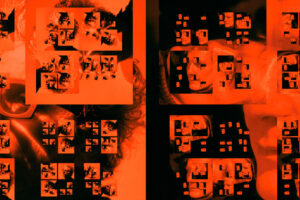
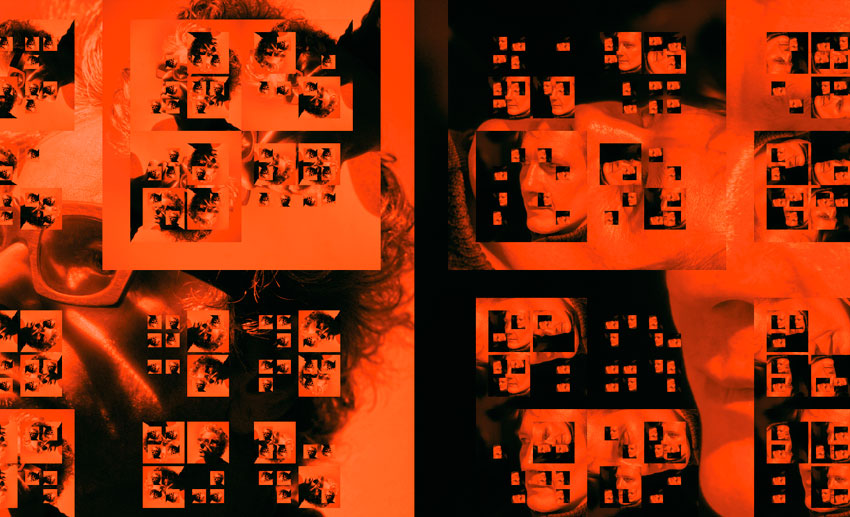
- The Image and Video Processing Group (GPI), part of the IDEAI-UPC research group, and the Digital Culture and Creative Technologies Research Group (DiCode) from the Image Processing and Multimedia Technology Center (CITM) at the Universitat Politècnica de Catalunya – BarcelonaTech (UPC), have co-organised the AI and Music Festival (S+T+ARTS) together with Sónar+D and Betevé, to explore the creative use of artificial intelligence in music.
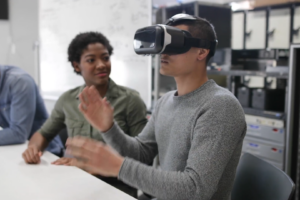
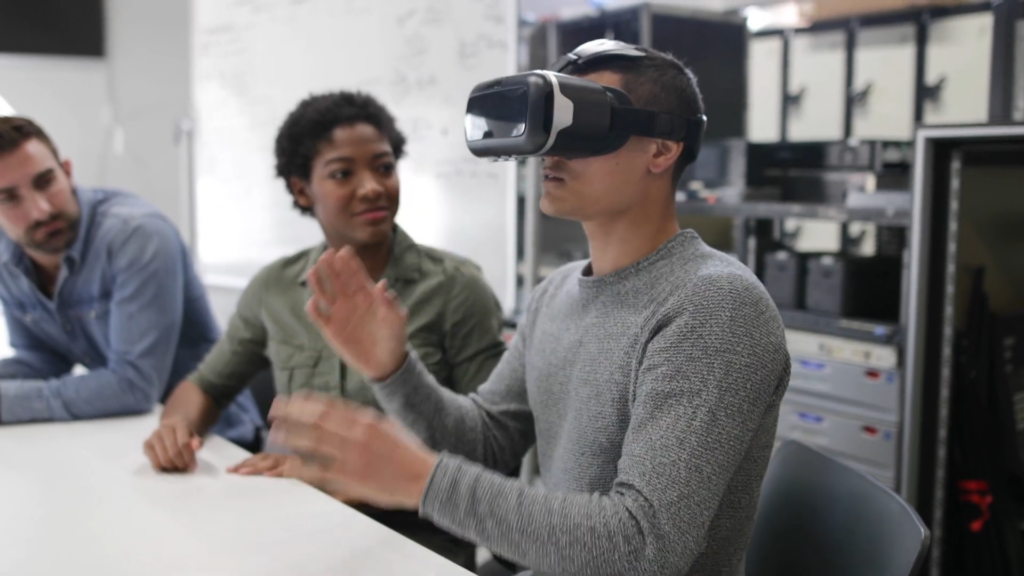
- The Visualisation, Virtual Reality and Graphic Interaction Research Group (ViRVIG) at the Universitat Politècnica de Catalunya - BarcelonaTech (UPC) has participated in the XR4ED project, an initiative that connects the educational technology (EdTech) and Extended Reality (XR) sectors, with the aim of transforming learning and training across Europe.
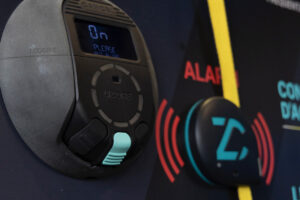
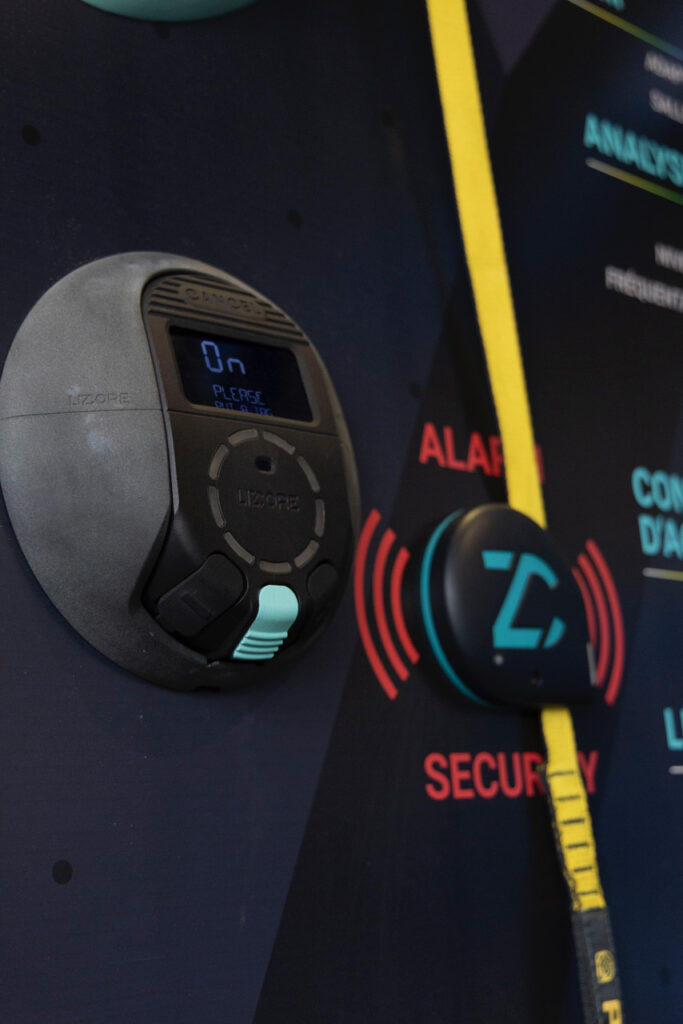
- The inLab FIB at the UPC has collaborated with Lizcore® for the development of a proof of concept based on artificial intelligence to improve safety in climbing with autobelay devices. The system allows the automatic and accurate detection of risk situations before starting a route.
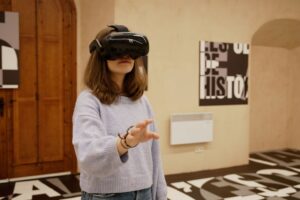
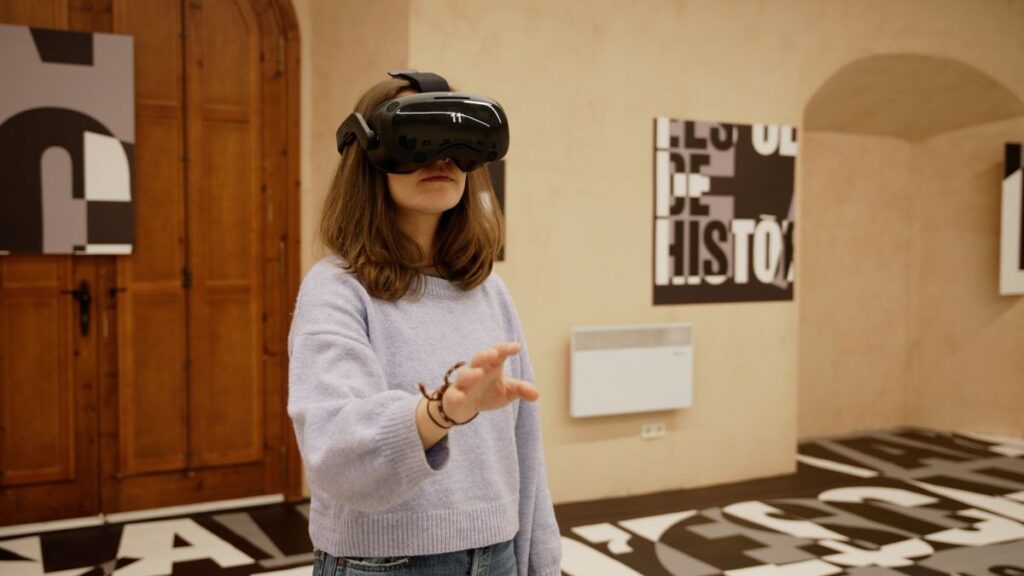
- Researchers from the Centre for Image and Multimedia Technology of the UPC (CITM) and from the DiCode research group (Digital Culture and Creative Technologies Research Group) of the Universitat Politècnica de Catalunya – BarcelonaTech (UPC) have worked on the project The Eyes of History, an initiative of the Catalan Agency for Cultural Heritage that offers an immersive view of Catalan cultural heritage. It is especially aimed at the first and second cycles of secondary education and was created to bring heritage into the classroom. Its goal is to bring the history and monuments of Catalonia closer in a vivid and innovative way, using tools such as virtual reality and new museographic narratives.