

Coppereplace: reduce the application of copper to vineyards and its environmental impact
February 22, 2021
A collaborative network to promote the Tunisian textile sector
March 1, 2021The Micro and Nanotechnologies Research Group (MNT) of the Universitat Politècnica de Catalunya · BarcelonaTech (UPC) has collaborated with the design, manufacture and calibration of the wind sensor for the MEDA instrument, which is on the NASA mission Mars 2020 Perseverance’. The mission was transported on the rocket Atlas V 541 and successfully launched on 30 July from the John F. Kennedy Space Center, Florida (United States). It landed on 18 February on the surface of the red planet (Mars).

The main aim of this mission, which is part of NASA’s Mars Exploration Program, is to analyse signs of habitability, characterise the geology and the atmospheric dynamics, gather samples to be analysed on Earth in future missions and prepare a future human exploration of Mars. The robotic vehicle will have a drill to extract samples from the surface of the planet that will be put in a receptacle, so that they can be returned to Earth in the mission Mars Sample Return'. Subsequently, these samples could be analysed in laboratories.
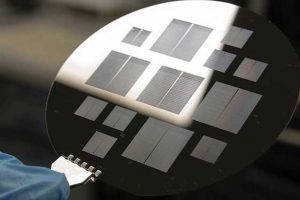
The MNT group has participated in all the versions of the wind sensor for the MEDA's instrument, which includes 60 silicon microchips made in UPC, manufactured in the Sala Blanca laboratory on the North Campus of the UPC, in Barcelona. The chips will be used to measure wind direction and speed. The MEDA wind sensor is composed of two cylindrical arms that will come out of the mast of the Mars2020 rover. Like the previous sensors REMS and TWINS, the wind speed and direction are obtained by measuring the tangential wind speeds at different points of each cylinder. In each of these points there are four silicon chips and an additional chip to detect the air temperature. Tangential wind speeds are obtained by monitoring small changes in heat transfer in each block (set of four chips) to the air.
The team of scientists will also participate in calibrating the sensor and in the future recovery of data from Mars, to contribute to a better estimation of the wind and thus a better analysis of the atmospheric dynamics.
Technology
You want to know more?
Related Projects
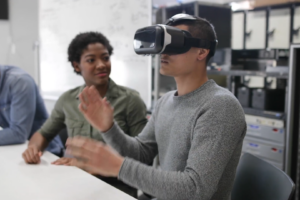
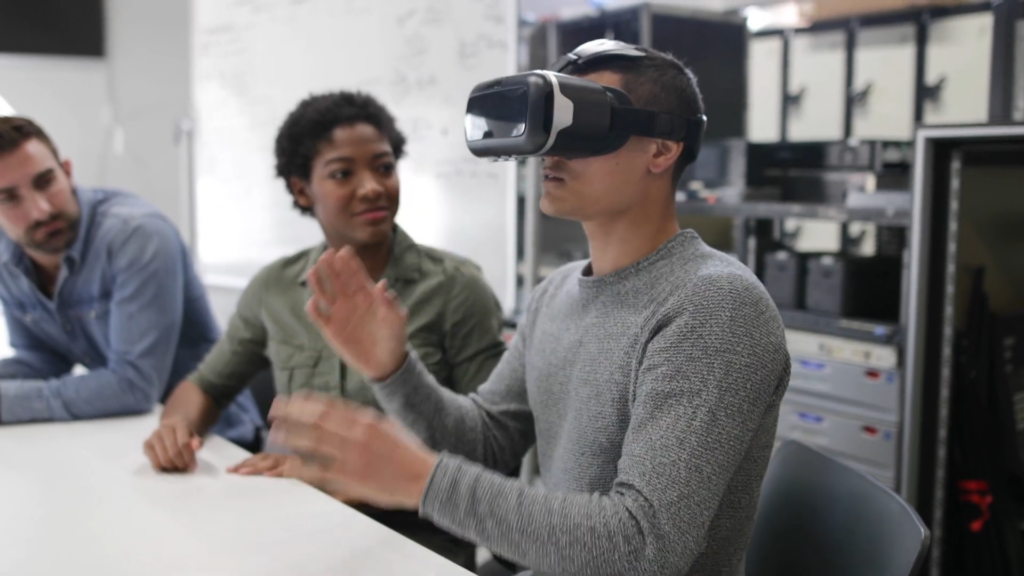
- The Visualisation, Virtual Reality and Graphic Interaction Research Group (ViRVIG) at the Universitat Politècnica de Catalunya - BarcelonaTech (UPC) has participated in the XR4ED project, an initiative that connects the educational technology (EdTech) and Extended Reality (XR) sectors, with the aim of transforming learning and training across Europe.
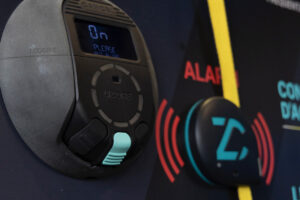
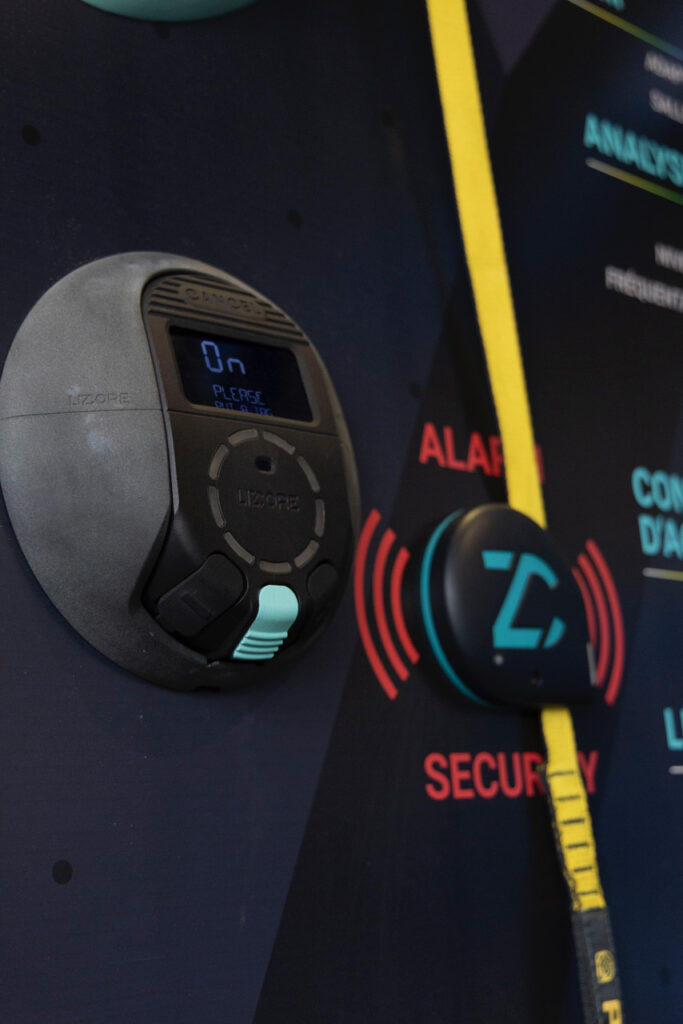
- The inLab FIB at the UPC has collaborated with Lizcore® for the development of a proof of concept based on artificial intelligence to improve safety in climbing with autobelay devices. The system allows the automatic and accurate detection of risk situations before starting a route.
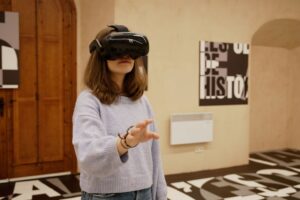
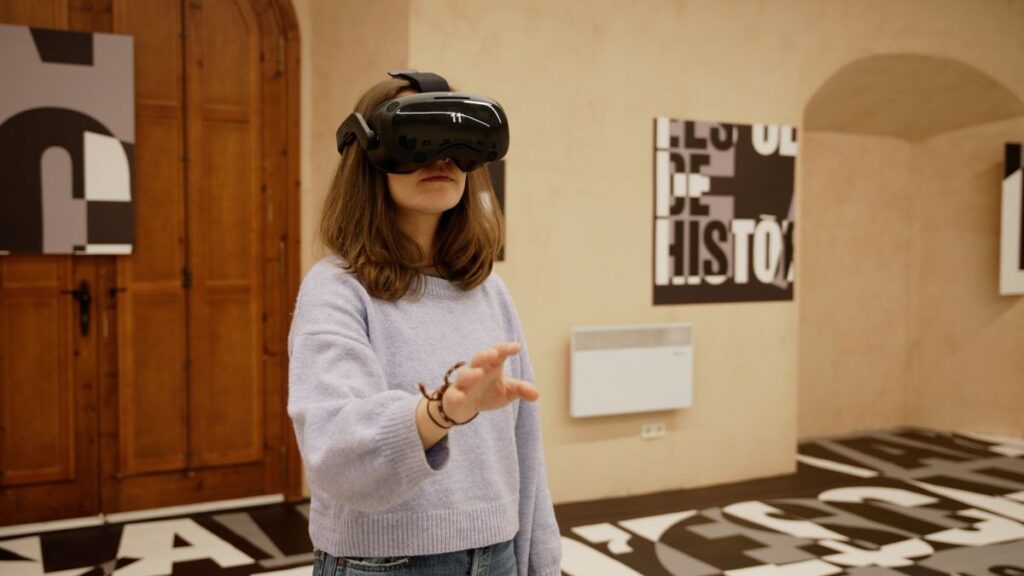
- Researchers from the Centre for Image and Multimedia Technology of the UPC (CITM) and from the DiCode research group (Digital Culture and Creative Technologies Research Group) of the Universitat Politècnica de Catalunya – BarcelonaTech (UPC) have worked on the project The Eyes of History, an initiative of the Catalan Agency for Cultural Heritage that offers an immersive view of Catalan cultural heritage. It is especially aimed at the first and second cycles of secondary education and was created to bring heritage into the classroom. Its goal is to bring the history and monuments of Catalonia closer in a vivid and innovative way, using tools such as virtual reality and new museographic narratives.
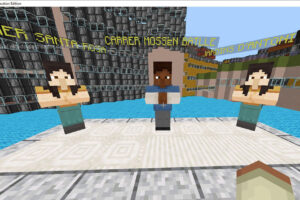
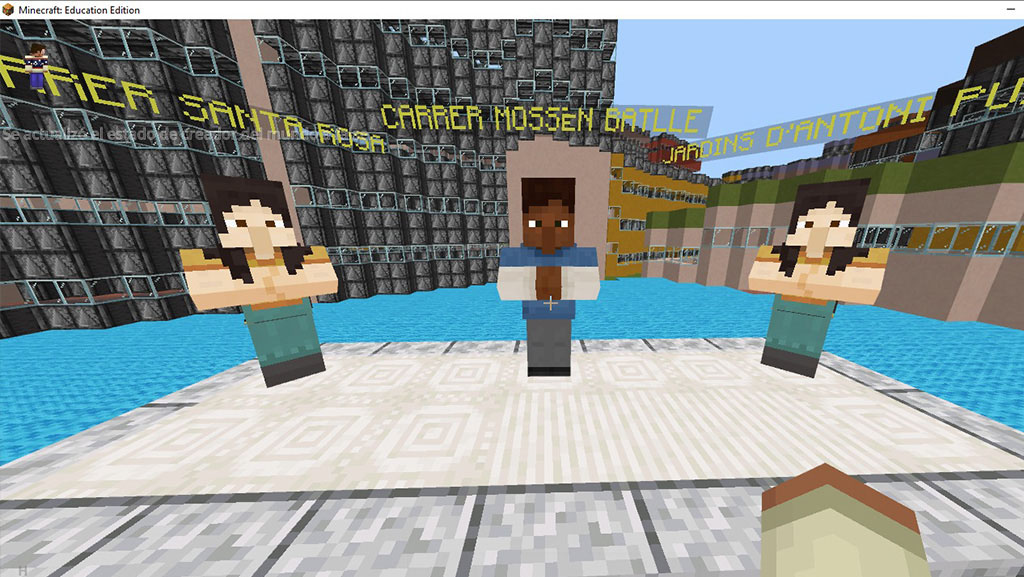
- City and Play is a social action project coordinated by researchers from the Centre for Image and Multimedia Technology (CITM) and the DiCode research group (Digital Culture and Creative Technologies Research Group) of the Universitat Politècnica de Catalunya – BarcelonaTech (UPC), the Universitat Oberta de Catalunya (UOC) and the University of Barcelona (UB), and funded by Barcelona City Council. The aim of the project is to promote civic competences and reflection on the urban environment among adolescents through the creation of an open framework that uses methodologies based on play, co-creation and storytelling.