

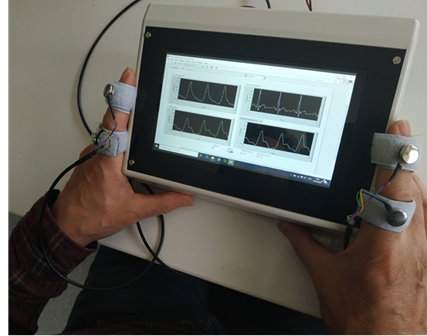
NICVA: A non-invasive device for fast cardiovascular condition assessment
June 10, 2021
WINTERTIME project, low-power-radio IoT wireless mesh
June 18, 2021Researchers from the Turbulence and Aerodynamics in Mechanical and Aerospace Engineering Research Group (TUAREG), the Group of Construction Research and Innovation (GRIC) and the Space Science and Technology Research Group (CTE-CRAE) of the UPC participate in the European project Discoverer. The aim of this project is is to redesign Earth observation (EO) satellites to make them a lot smaller (Cubesats) and capable of orbiting at much lower altitudes than current satellites, in what are known as very low earth orbits (VLEOs) at a distance between 200 and 450 km from the Earth.
The Discoverer project is divided into five main areas focused on research into materials that withstand erosion due to atomic oxygen, the technology for manufacturing optimised engines to work in these types of orbits, the design of aerodynamic surfaces adapted to VLEO conditions, the construction of an atomic oxygen chamber to experiment on Earth and, finally, the search for business opportunities and a new market that could interest the aerospace business sector. It is in this last area that UPC researchers participate.

In the framework of the DISCOVERER project, the Satellite for Orbital Aerodynamics Research (SOAR) was launched as part of the CRS-22 mission of SpaceX, on 3 June, from the Kennedy Space Centre (Florida, United States). This Cubesat-3U will reach the International Space Station, from which it will be put into orbit. While it is orbiting, the satellite will be controlled from a terrestrial station at the University of Manchester from which experiments on board will be carried out and analysed. The data received from the satellite will be sent to scientists who will study the interactions between the residual atmosphere at these low orbits and the new materials that are developed, which could reduce friction and increase aerodynamic performance.
Currently, neither space agencies nor companies in the aerospace sector use such low orbits due to the technical difficulties that they involve, because of the presence of a thin atmosphere that generates resistance to aerospace engines, and due to very reactive elements such as atomic oxygen, which ends up degrading the materials in a short time.
As a result of this project, the next generation of satellites that are built will be much smaller, lighter and less expensive to launch, and they will obtain images and information with better resolution than current satellites. These advantages open the door to new business opportunities for the aerospace sector.
The Discoverer project is funded with 5.7 million euros from the European Union. Participants included nine European universities and companies, led by the University of Manchester (United Kingdom).

Technology
You want to know more?
Related Projects
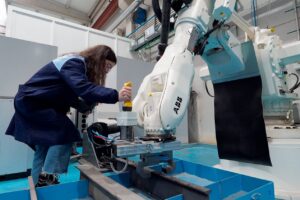
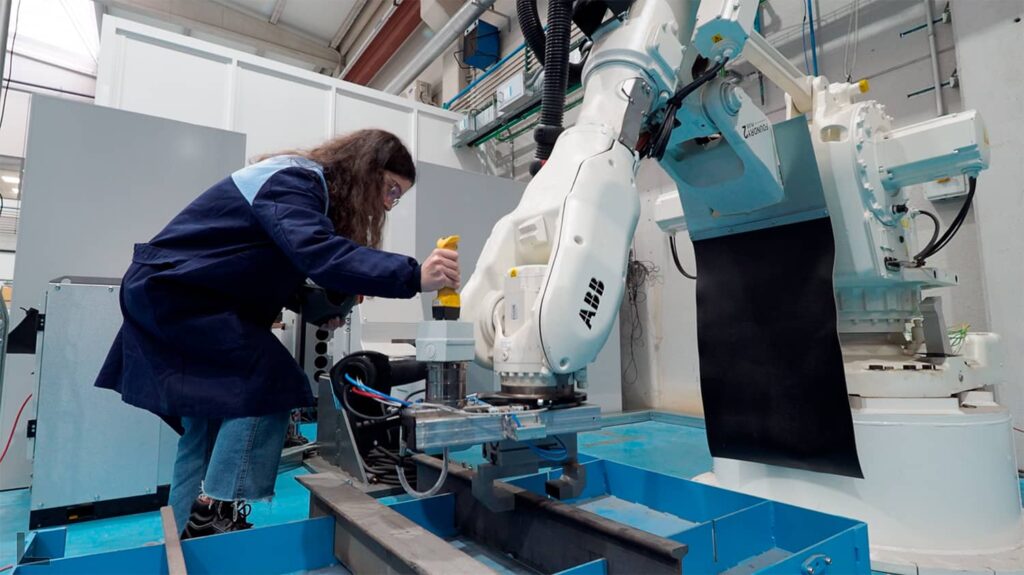
- A research team from the Institut de Robòtica i Informàtica Industrial (IRI, CSIC-UPC), together with the Centre de Disseny d'Equips Industrials (CDEI) of the Universitat Politècnica de Catalunya - BarcelonaTech (UPC), are participating in the national CASANDRA project to develop a digital manufacturing solution that will make it possible to establish a bidirectional data flow for continuous digital integration throughout the supply chain across the product life cycle. This integration will be achieved through digital twins and data-based models that are continuously updated thanks to distributed monitoring and control tools.
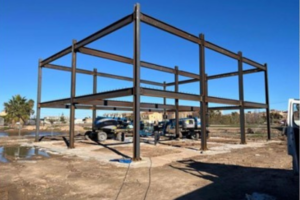
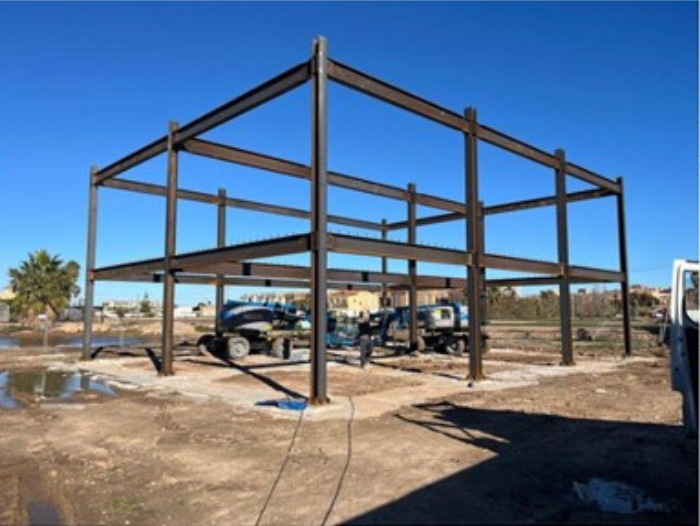
- The research groups Structural and Materials Technology (ATEM) and the Construction Engineering (EC) at the Universitat Politècnica de Catalunya - BarcelonaTech (UPC) are working on the RE-STEEL project, which aims to develop an efficient methodology for assessing the rehabilitation of existing steel structures.
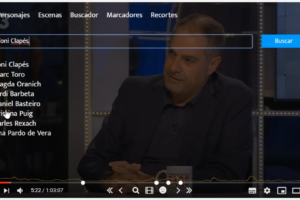
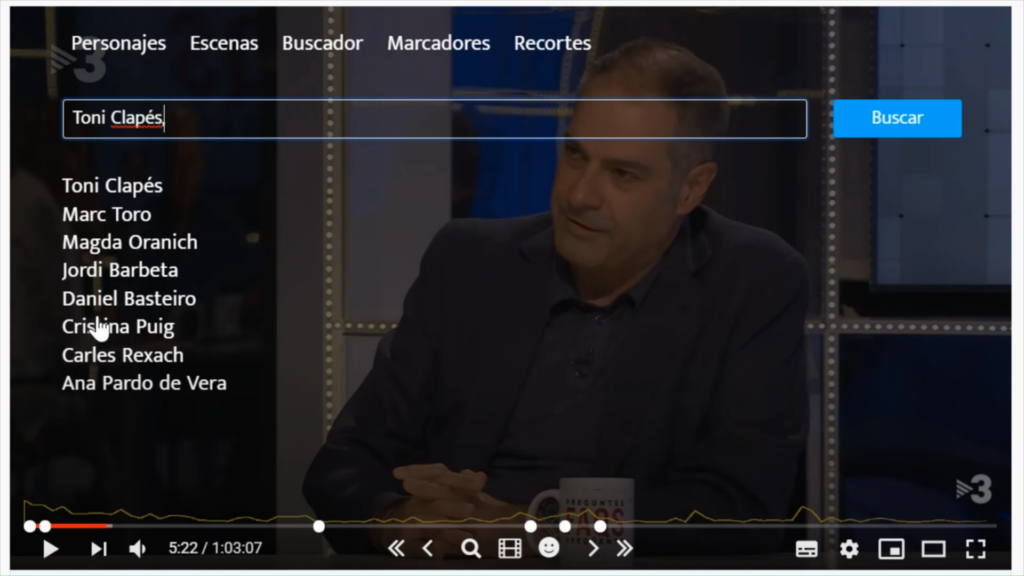
- The AgroTech research group at UPC, in collaboration with its spin-off Ugiat Technologies, has developed uPlayer, a new multimedia player concept that enables more intuitive video navigation and viewing, intelligently enhancing the user experience, especially on YouTube and other platforms, by integrating as a plugin or advanced player.
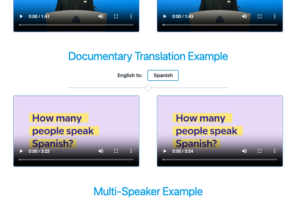
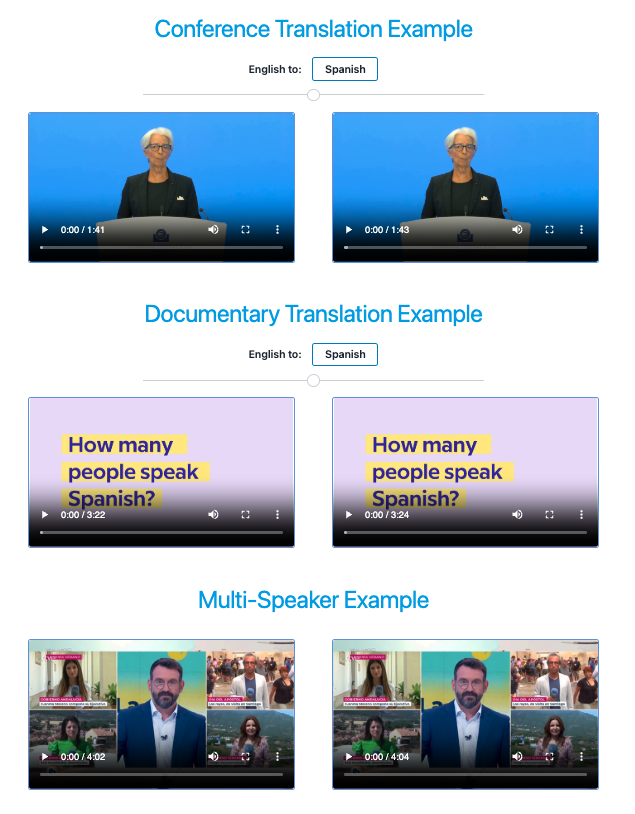
- The AgroTech research group at the Universitat Politècnica de Catalunya – BarcelonaTech (UPC), together with its spin-off Ugiat Technologies, have driven DoblAI, an AI platform that integrates transcription, translation, subtitling and video dubbing into a single workflow. The solution, which uses deep learning technology and cloned or default voice models, is specifically designed for the journalism and communications sector.