

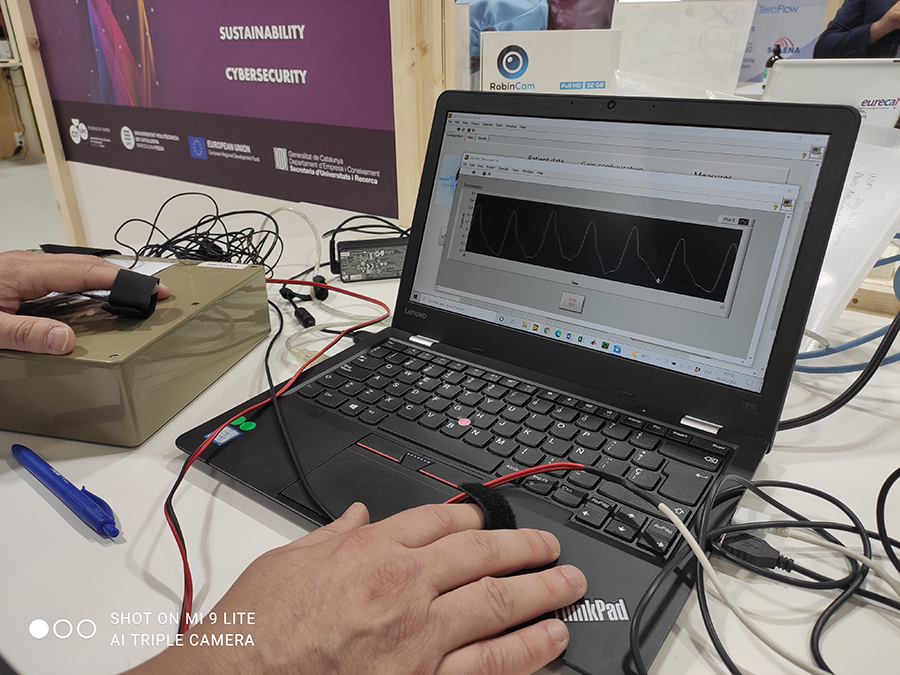
Cardiovascular Scale and other devices for fast, remotecardiovascular monitoring
February 25, 2022
IRIS: A platform to assess, detect and respond to vulnerabilities and threats in ICT networks
March 18, 2022The Architectures and Compilers (ARCO) research group is working on the CoCoUnit project to design new architectures for computing systems that are energy efficient, particularly for applications that make intensive use of cognitive functionalities, such as voice recognition, automatic translation, speech synthesis, image classification or object recognition.
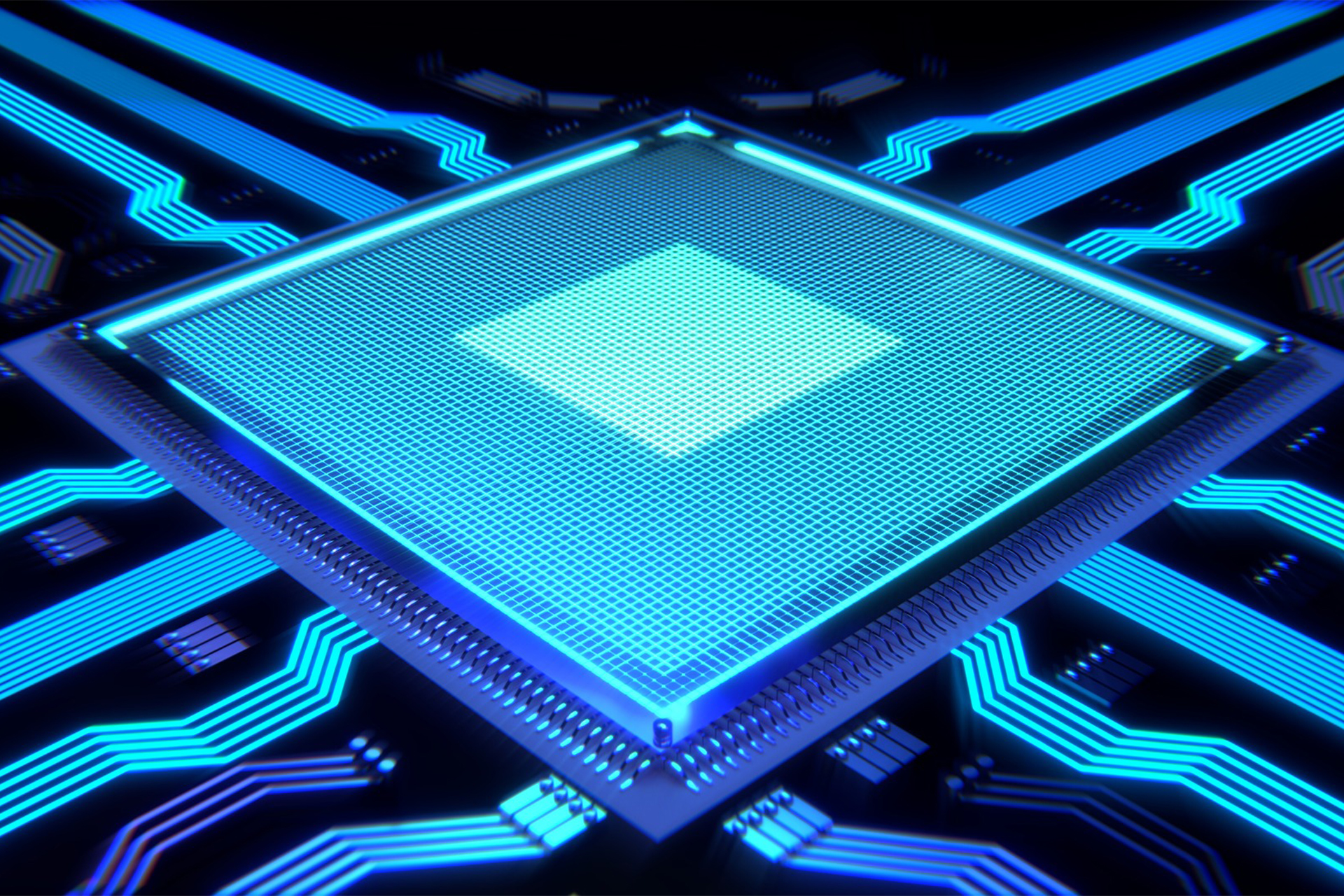
A disruptive approach is followed through research into unconventional architectures that dramatically improve energy efficiency and at the same time make substantial improvements in performance. These platforms use various types of specialised units for various fields. There is a special focus on graphics processing units and architectures inspired by the brain (for example, neural networks) due to their potential to exploit mass parallelism and their high energy efficiency. Extensions to existing architecture are proposed combined with innovative accelerators and functional units. The final result of this project is to design platforms that provide new experiences for users in the areas of cognitive computing and computational intelligence in mobile devices and in servers and data centres.
The project is approximately half-way through and the most relevant results to date include:
- The design of a “system-on-chip” that includes various accelerators for the automatic recognition of speech in real time with low energy consumption.
- The design of an accelerator for neural networks that includes innovative techniques to reduce energy consumption, such as the reuse of computations, pruning of neurons and connections, dynamic selection of the precision used in calculations, increase in locality in memory access, and a new mechanism to plan the concurrent execution of many instances of recurring neural networks.
- A detailed characterisation of performance and energy consumption of computing systems for autonomous vehicles and the proposal of an accelerator to optimise one of the main bottlenecks, simultaneous localisation and mapping (SLAM).
- The design of a new unit to improve the performance of GPUs for graph algorithms through fusion and filtering access to memory.
- New microarchitectures for low energy consumption graphics processing units based on exploiting the coherence between successive frames to avoid computations and substantially improve energy efficiency, as well as new ways to organise the memory hierarchy to better exploit locality in access.
Technology
Tema
You want to know more?
Related Projects
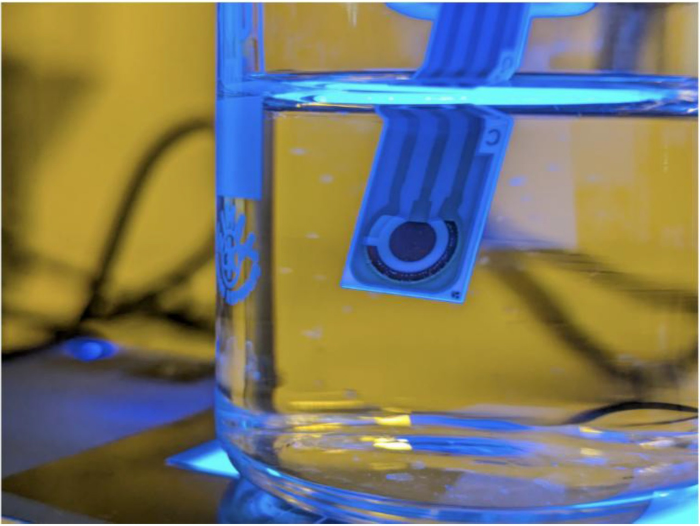
- The MICROTECH LAB - Microtechnology for the Industry research subgroup, part of the Centre for Advanced Technologies in Mechanics (CATMech) at the Universitat Politècnica de Catalunya - BarcelonaTech (UPC), is leading the technical development of a minimally invasive platform to monitor biomarkers and physiological indicators related to stress and emotional wellbeing.
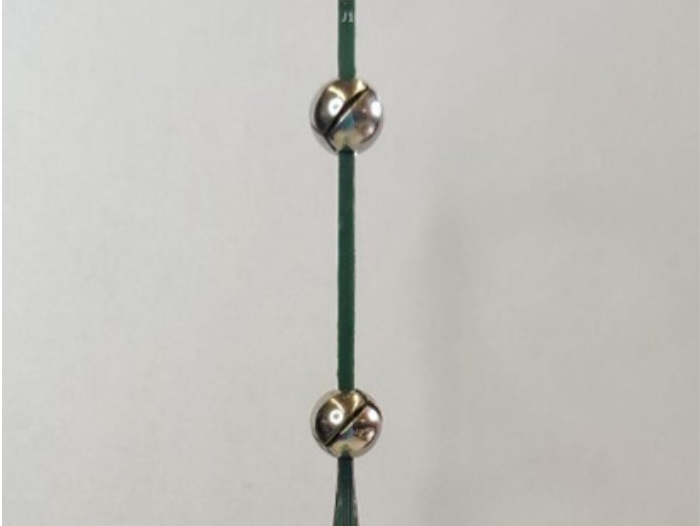
- A research team from the Universitat Politècnica de Catalunya - BarcelonaTech (UPC) has participated in the M3LEC project, coordinated by the Centro de Astrobiología (CAB), a joint centre of the Spanish National Research Council (CSIC) and the Instituto Nacional de Técnica Aeroespacial (INTA), with the Universidad de Sevilla (US) / Instituto de Microelectrónica de Sevilla (IMSE) also participating. M3LEC aimed to contribute to the characterisation of the Martian atmosphere and meteorology, and to investigate new instrumentation for future planetary exploration missions.
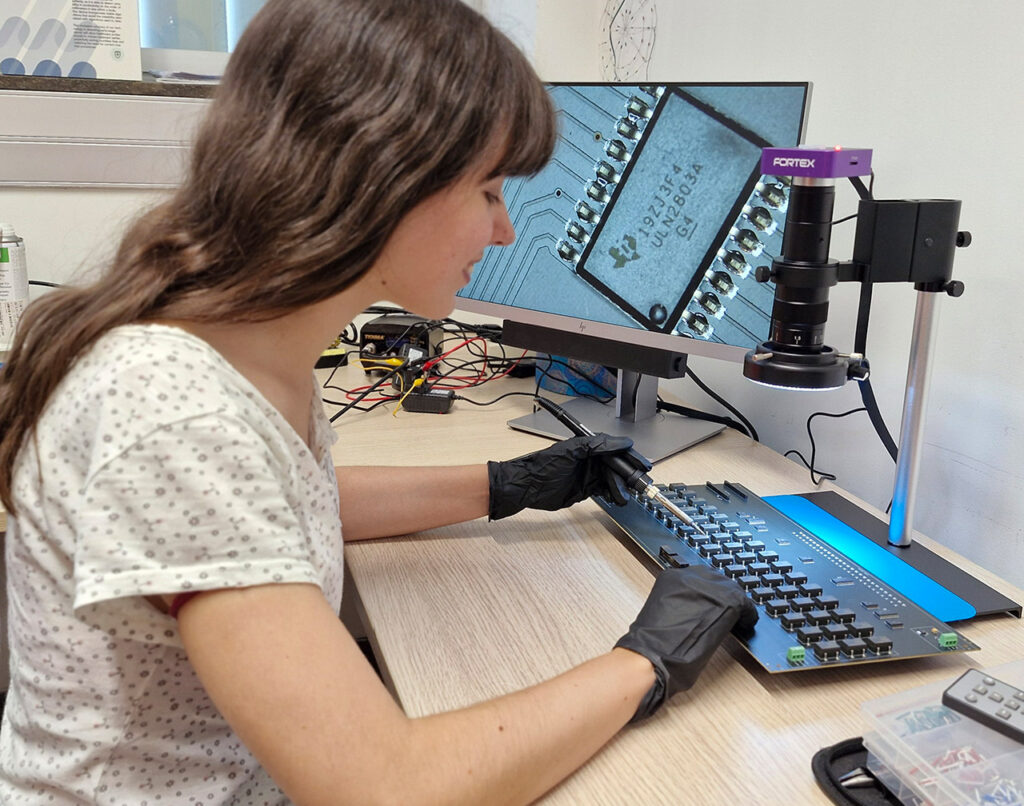
- A team from the Matrix Analysis and Discrete Potential Theory (MAPTHE) research group at the Universitat Politècnica de Catalunya - BarcelonaTech (UPC), and the Department of Mathematics at CUNEF Universidad in Madrid, have participated in the development of MARIA, a prototype of a portable, flexible and radiation-free device designed to improve the early detection of breast cancer. The device can identify tumours through electrical conductivity, with the aim of enabling its future use in primary care settings.
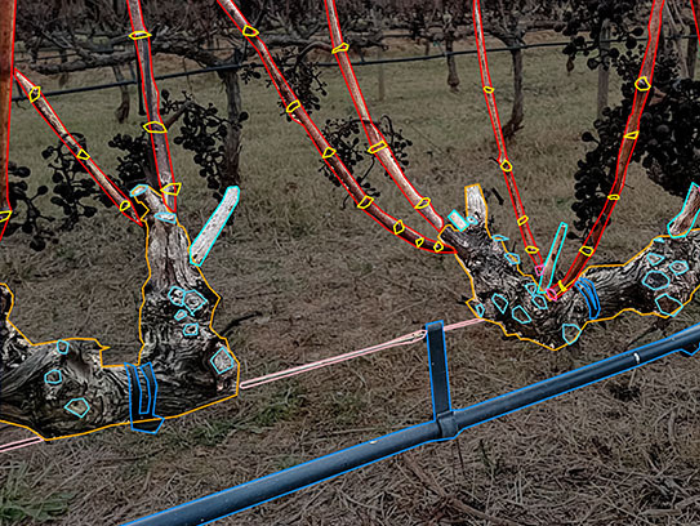
- The Center for Industrial Equipment Design (CDEI-UPC) at the Universitat Politècnica de Catalunya - BarcelonaTech (UPC) is participating in a cross-border project aimed at promoting the use of advanced digital technologies in viticulture in regions on both sides of the Pyrenees. The initiative seeks to improve specialist training, technical advice and decision-making in vineyard management.