

UPC showcases immersive audiovisual technologies and projects at ISE 2026
February 10, 2026
CIT UPC, Supporting Partner of Advanced Factories 2026
March 12, 2026UPC showcases immersive audiovisual technologies and projects at ISE 2026
February 10, 2026CIT UPC, Supporting Partner of Advanced Factories 2026
March 12, 202606/03/2026
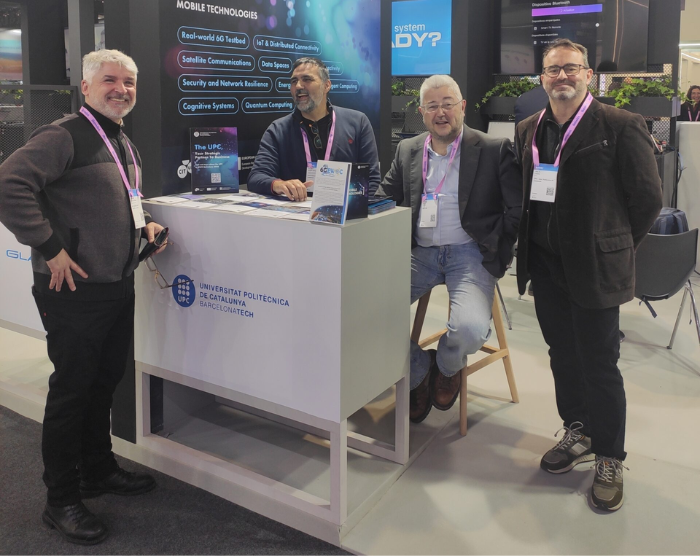
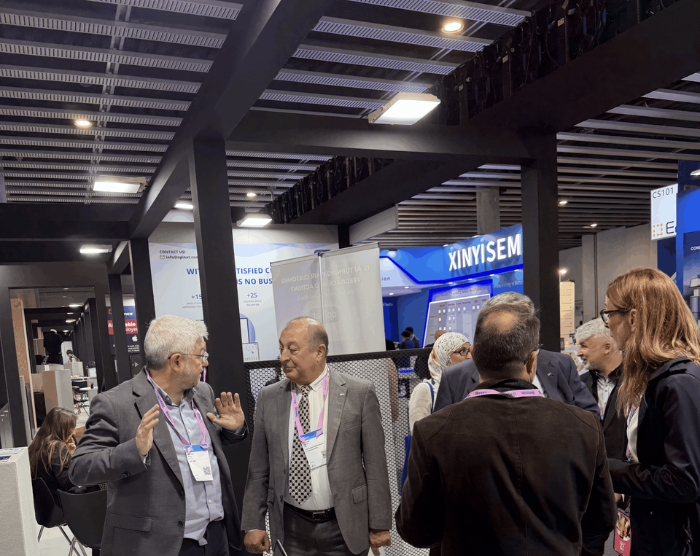
This year, the UPC took part at MWC Barcelona, held from 2 to 5 March. Through CIT UPC, its stand showcased its technological capabilities in areas such as artificial intelligence, 6G, data spaces, digital health, smart mobility and sustainability, as well as a selection of advanced projects and solutions, with prototypes and live demonstrations developed by the University’s research teams.
Explore all the details of UPC’s presence at the MWC, 4YFN and the Talent Arena: mwcbarcelona.upc.edu
This year, the Universitat Politècnica de Catalunya - BarcelonaTech (UPC), through the UPC Technology Center (CIT UPC), has been present at MWC Barcelona (#MWC26), the world’s largest and most influential event on mobile technologies and connectivity, which this year took place from 2 to 5 March at the Gran Via venue of Fira de Barcelona. At its stand, located in the pavilion of the Government of Catalonia, the University showcased its technological capabilities in this field, as well as a selection of advanced projects and solutions developed by the University’s research teams in areas such as communications, health and computing.
The following projects were presented at the UPC stand at MWC:
- 6G LABNET UPC: A unique and open infrastructure to accelerate business innovation in 5G and 6G networks, led by a multidisciplinary team of UPC researchers.
- UPCxels: An open, multi-sector data space to create value from information, led by the Intelligent Data Science and Artificial Intelligence Research Center (IDEAI-UPC).
- PREPARE: Proactive response and efficient planning with AI for more resilient hospital emergency services, developed by the BIOsignal Analysis for Rehabilitation and Therapy research group (BIOART).
- DigiPatICS: AI to improve cancer diagnosis and share results, developed within the framework of the project as a result of collaboration between the Image and Video Processing Group (GPI) and the Catalan Health Institute (ICS).
- 6G-EWOC: Artificial intelligence and 6G technologies for safer, more interconnected mobility, involving researchers from the Broadband Advanced Communications Centre (CCABA), project coordinators, the Research Centre of Intelligent Data Science and Artificial Intelligence (IDEAI-UPC), the Centre for Sensors, Instrumentation and Systems Development (CD6), and the UPC Specific Research Centre for Communication and Detection (CommSensLab-UPC).
- FIREPRIME: Tools and services to improve safety and forest fire prevention in Europe, within which a mobile application has been developed by the Centre for Technological Risk Studies (CERTEC) at UPC.
- Spot4Dis: Intelligent mapping of accessible parking spaces, involving a research team from UPC’s inLab FIB together with the Association of People with Reduced Mobility (AsoPMR).
- MERIT: A new pan-European educational ecosystem focused on training digital specialists in Europe to address the skills gap in this field.
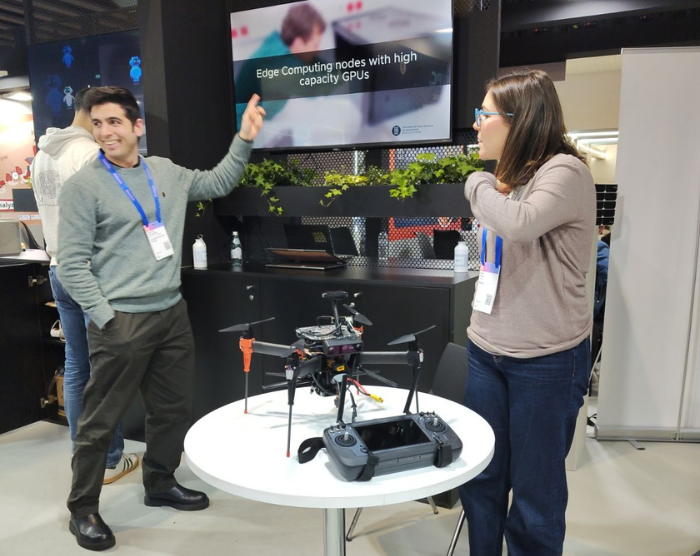
In this edition of MWC Barcelona, UPC also presented innovative prototypes and carried out live demonstrations:
- Demo ISAC: an ISAC LiDAR demonstrator for 6G, developed within the framework of the 6G-EWOC project by the Centre for Sensors, Instrumentation and Systems Development (CD6) of UPC together with Beamagine.
- Demo 2: a drone for environmental visualisation systems with 5G technology, controlled by the 6G-LabNetUPC infrastructure managed by BAMPLA – Broadband Network and Service Design and Evaluation, integrated within CCABA – Broadband Advanced Communications Centre.
UPC at 4YFN and the Talent Arena
As in previous editions, UPC has also been present at 4YFN, in parallel, also from 2 to 5 March at the Gran Via venue of Fira de Barcelona, where 40 spin-offs and start-ups from the University have showcased their technological capabilities.
This year, the University also participated for the first time in the Talent Arena, the leading event for digital talent in Europe, which brings together digital professionals, technology companies and educational institutions. It took place from 2 to 4 March at the Montjuïc venue of Fira de Barcelona.

Related Projects
- A team from the Matrix Analysis and Discrete Potential Theory (MAPTHE) research group at the Universitat Politècnica de Catalunya - BarcelonaTech (UPC), and the Department of Mathematics at CUNEF Universidad in Madrid, have participated in the development of MARIA, a prototype of a portable, flexible and radiation-free device designed to improve the early detection of breast cancer. The device can identify tumours through electrical conductivity, with the aim of enabling its future use in primary care settings.
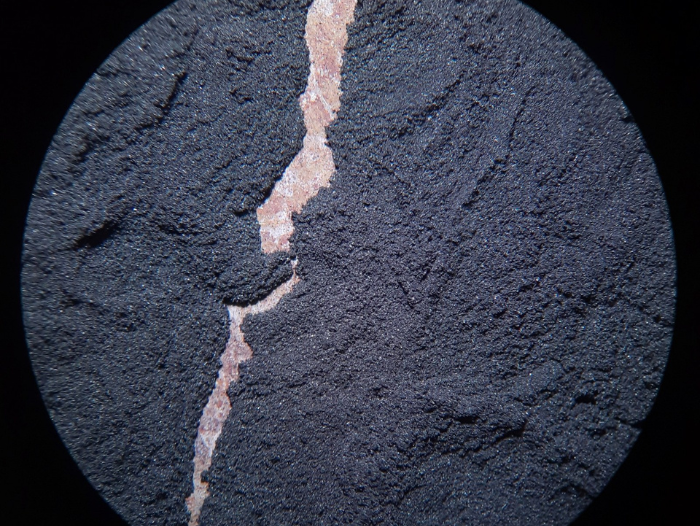
- The Research Group in Smart and Sustainable Resources and Industries (RIIS) at the Universitat Politècnica de Catalunya - BarcelonaTech (UPC) is developing the ZeroCarbonPave project, which aims to assess the feasibility of incorporating biochar as filler and/or as the fine fraction of granular material in bituminous mixtures, with the objective of reducing the carbon footprint associated with the manufacture and laying of road pavements.
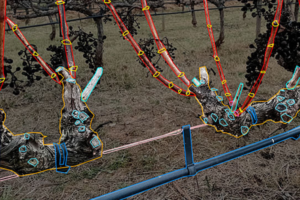
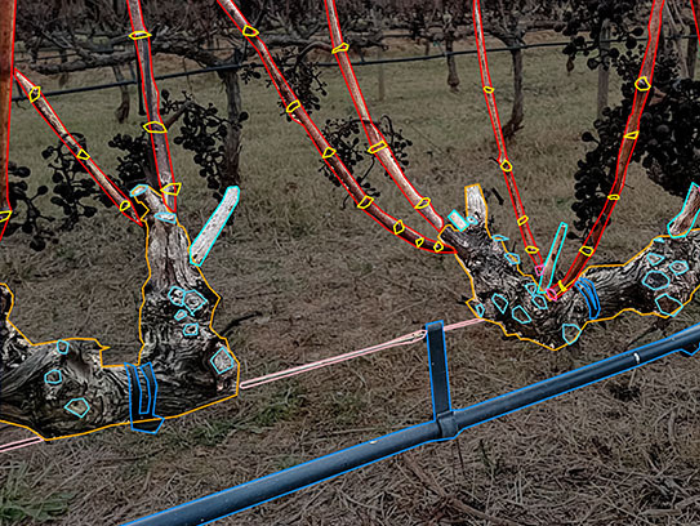
- The Center for Industrial Equipment Design (CDEI-UPC) at the Universitat Politècnica de Catalunya - BarcelonaTech (UPC) is participating in a cross-border project aimed at promoting the use of advanced digital technologies in viticulture in regions on both sides of the Pyrenees. The initiative seeks to improve specialist training, technical advice and decision-making in vineyard management.
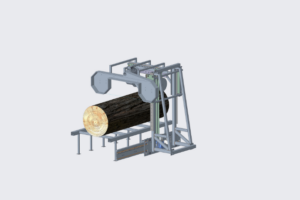
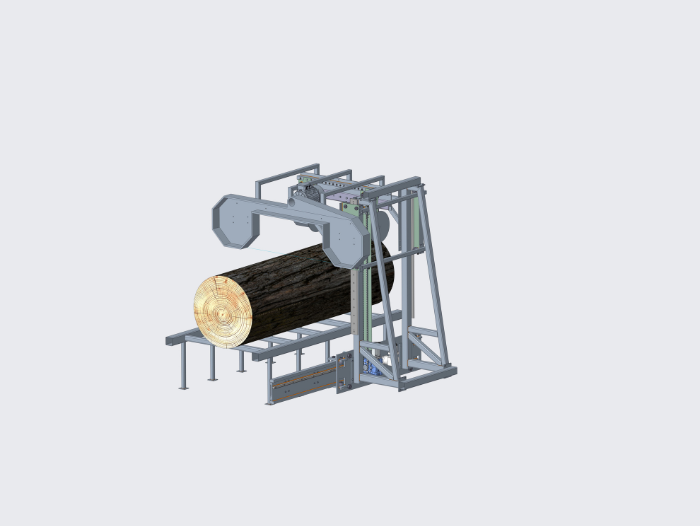
- The Centre for Industrial Equipment Design (CDEI) at the Universitat Politècnica de Catalunya - BarcelonaTech (UPC), together with the IRI, Institut de Robòtica i Informàtica Industrial (CSIC-UPC), is participating in the development of a pre-commercial prototype of an automatic portable sawmill that integrates computer vision, artificial intelligence and computer numerical control to improve productivity, efficiency and safety in local wood processing for the company Envall Coop. S.L.