


CoCoUnit: Processors of the future for cognitive computing
February 25, 2022
BIOPHOCH: Photonic technologies and machine learning to improve the diagnosis of visual, neurological and hematological diseases
April 8, 2022As smart cities are developed and, as a result, platforms enabled for the internet of things (IoT) and artificial intelligence expand, new and complex threats to their security increase exponentially. The new IRIS platform will increase the security and privacy of these ICT-based systems and will respond to attacks through a collaborative approach.
The esCERT cybersecurity team of inLab FIB is participating in the Intelligence Threat Reporting and Incident Response System (IRIS) project. The project’s aim is to develop a unique platform for the IoT, which, through artificial intelligence, will support centres that respond to IT emergencies (CERT and CSIRT). The platform will help to assess, detect, respond to and share information on threats and vulnerabilities in TIC systems. This support for European CERT and CSIRT networks will also enable a coordinated response to be provided to large-scale cross-border incidents. At the end of the project, the IRIS platform will be available, free of charge, to the European CERT and CSIRT.
The concept that IRIS works on is an that of federated threat intelligence architecture that establishes three technological components. First, there is a collaborative threat intelligence module, which forms the nexus of the project and improves the platform that currently exists (MeliCERTes) with a module to support data protection and proactive responsibility. Secondly, a threat analytics module will be developed, which collects and supplies threats and vulnerabilities, responds to the intelligence received and initiates autonomous response and self-recovery procedures. Finally, a module called gamma virtual cyber, based on the cloud, will be developed that offers an immersive virtual environment for collaborative CERT/CSIRT training based on real-world environmental platforms (digital twins).

The IRIS platform will be validated in three pilot tests at local, national and cross-border level in three cities: Helsinki (with a Smart Grid and Smart Vehicles platform), Tallinn (with its autonomous transportation systems platform), and Barcelona (with its urban platform of superblocks and smart services). esCERT is responsible for defining and coordinating the various environments of these tests and their technical requirements (use cases).
The IRIS project is part of the Horizon 2020 programme and will be developed over three years (September 2021 to August 2024). The consortium is led by the Institute of Innovation in Systems and Computer Engineering (INOV, Portugal) and is formed of 18 entities from Belgium, Rumania, Luxemburg, France, the Netherlands, Cyprus, Italy, Greece, Estonia, Finland and Spain. The total budget is 5,678,075 euros.
Technology
You want to know more?
Related Projects
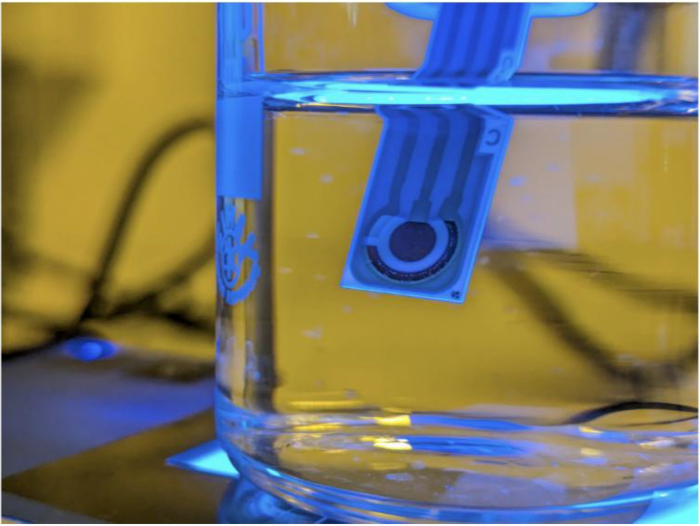
- The MICROTECH LAB - Microtechnology for the Industry research subgroup, part of the Centre for Advanced Technologies in Mechanics (CATMech) at the Universitat Politècnica de Catalunya - BarcelonaTech (UPC), is leading the technical development of a minimally invasive platform to monitor biomarkers and physiological indicators related to stress and emotional wellbeing.
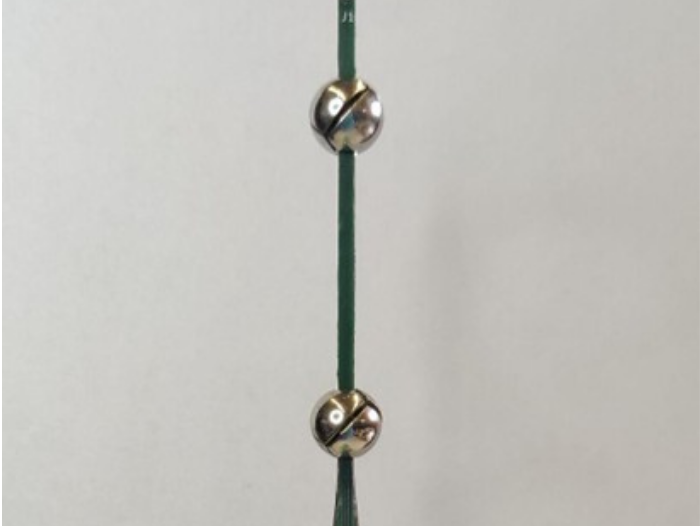
- A research team from the Universitat Politècnica de Catalunya - BarcelonaTech (UPC) has participated in the M3LEC project, coordinated by the Centro de Astrobiología (CAB), a joint centre of the Spanish National Research Council (CSIC) and the Instituto Nacional de Técnica Aeroespacial (INTA), with the Universidad de Sevilla (US) / Instituto de Microelectrónica de Sevilla (IMSE) also participating. M3LEC aimed to contribute to the characterisation of the Martian atmosphere and meteorology, and to investigate new instrumentation for future planetary exploration missions.
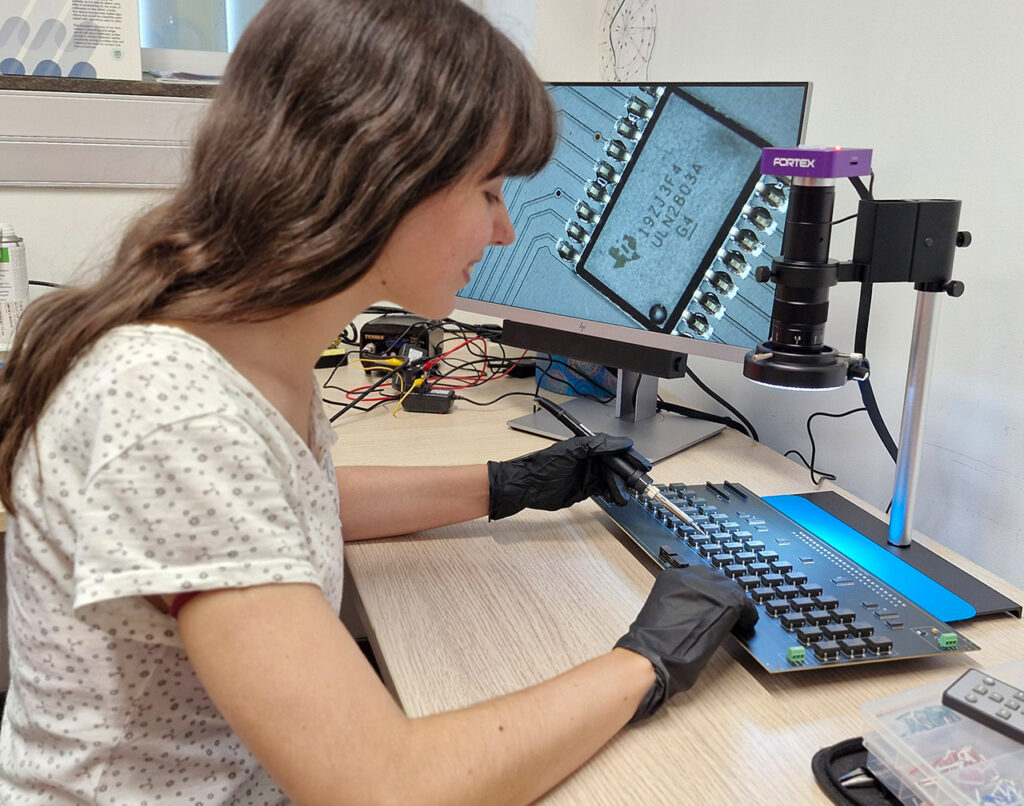
- A team from the Matrix Analysis and Discrete Potential Theory (MAPTHE) research group at the Universitat Politècnica de Catalunya - BarcelonaTech (UPC), and the Department of Mathematics at CUNEF Universidad in Madrid, have participated in the development of MARIA, a prototype of a portable, flexible and radiation-free device designed to improve the early detection of breast cancer. The device can identify tumours through electrical conductivity, with the aim of enabling its future use in primary care settings.
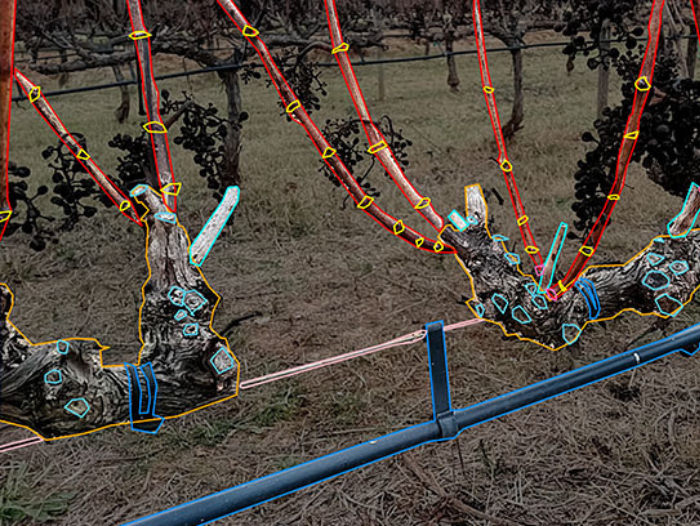
- The Center for Industrial Equipment Design (CDEI-UPC) at the Universitat Politècnica de Catalunya - BarcelonaTech (UPC) is participating in a cross-border project aimed at promoting the use of advanced digital technologies in viticulture in regions on both sides of the Pyrenees. The initiative seeks to improve specialist training, technical advice and decision-making in vineyard management.