- Barcelona is characterised by a high consumption of bottled water (55% of the population drinks it regularly). The reasons for this behaviour tend to be dissatisfaction with the organoleptic characteristics, perceived health risks and distrust of the quality of tap water.
- A team of researchers from the materials and structures area of CATMech at UPC is participating in a circular economy project to study the feasibility of using canemuixa, a by-product of hemp, in five applications in the building sector.
- 09/09/2024Project Headerrightno-repeat;left top;;auto20px The DISCOVER project aims to revolutionize the construction and demolition industry by developing an advanced system for the autonomous, synchronous, and continuous identification […]
- The research groups Soft Computing Research Group (SOCO) and Knowledge Engineering Research Group (GREC) at UPC are developing a personalised medicine platform to improve psychological treatment for psychosis. Using predictive models, the tool will foresee the effectiveness of therapy to tailor treatment. The prototype will be tested in a year-long clinical trial with patients worldwide.
- The UPC coordinates the BCNMob project, focused on the use of smart glasses with 5G technology and extended reality to increase the autonomy of visually impaired people. Biel Glasses and the Punt de Vista Foundation are also participating in the project.
- UPC, the Port of Barcelona and Siport21 will create an innovative operational traffic management system based on artificial intelligence and machine learning. This will be developed within the Compass+ project, which has been recognised as a pre-commercial project in the second call of the innovation fund managed by Ports of the State − Ports 4.0. The aim of the fund is to enhance efficiency and safety in port operations by integrating disruptive technologies that will drive the ports of the future.
- The EU.FFICIENT (European Communities of Facilitators focused on Co-creation training, Networking and Hands-on learning) project, launched in January 2024, aspires to transform and enhance the co-creation landscape across Europe. Funded under the EU framework, the project brings together a consortium of 16 partners from 12 countries, boasting a diverse blend of academic, industrial and public sector partners. The initiative, with CIT UPC standing as a one of key participants, represents an investment in the future of collaborative innovation.
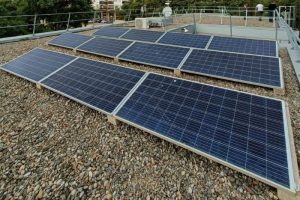
- The Heat and Mass Transfer Technology Center (CTTC) at the Universitat Politècnica de Catalunya - BarcelonaTech (UPC) participated in the Economic COgeneration by Efficiently COncentrated SUNlight (ECOSUN) project to develop a low-cost, concentrated thermal and photovoltaic cogeneration system that increases the system’s electrical efficiency.
- The Centre for Advanced Technologies in Mechanics (CATMech) at the Universitat Politècnica de Catalunya - BarcelonaTech (UPC) is involved in a project to explore additive manufacturing technology with concrete to provide innovative solutions to the construction market. The project, called ADRIANO, aims to develop a real-time control system for the concrete manufacturing process, to estimate the expected outcome and anticipate decision-making on its various stages.
- The innovation and research laboratory of the Barcelona Faculty of Computer Science (inLab FIB) at the Universitat Politècnica de Catalunya - BarcelonaTech (UPC) collaborated with ModpoW, a company specialised in wireless technologies, sensors and general electronics, to create a solution that optimises water and fertilizer usage in agriculture. This solution, which can potentially save over 30% of annual water and fertilizer consumption, monitors underground water data to draw up an irrigation recommendation for farmers, according to the real-time conditions of each plot.
- The innovation and research laboratory of the Barcelona Faculty of Computer Science (inLab FIB) at the Universitat Politècnica de Catalunya - BarcelonaTech (UPC) collaborated with ModpoW, a company specialised in wireless technologies, sensors and general electronics, to create a solution that optimises water and fertilizer usage in agriculture. This solution, which can potentially save over 30% of annual water and fertilizer consumption, monitors underground water data to draw up an irrigation recommendation for farmers, according to the real-time conditions of each plot.
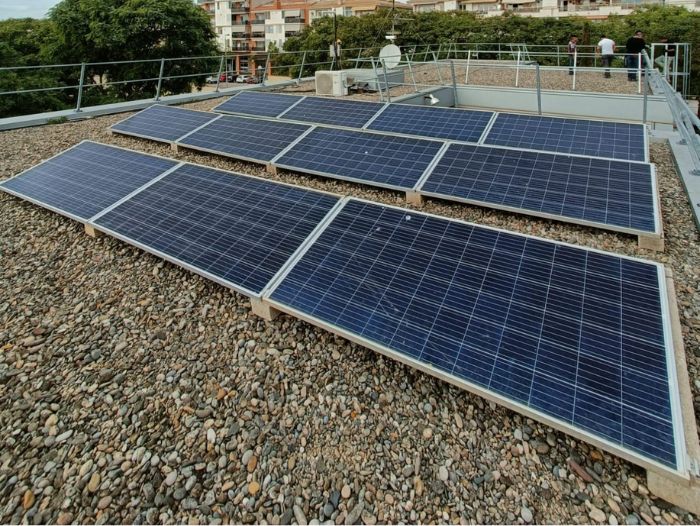
- The Technological Development Center for Remote Acquisition and Data Processing Systems (SARTI) at the Universitat Politècnica de Catalunya - BarcelonaTech (UPC) participated in GIRASOL II, a project to develop a digital twin for photovoltaic plants by applying internet of things (IoT) technology, artificial intelligence techniques and immersive human-machine interfaces.
- The Radio Frequency Identification and Flexible Electronics (RFLEX) group of the Universitat Politècnica de Catalunya - BarcelonaTech (UPC) is participating in the TELEBREATH project to better address the demand for long-term care in vulnerable groups, such as elderly and dependent people.
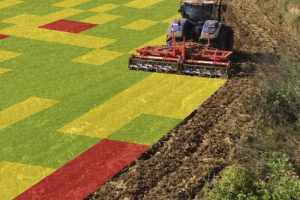
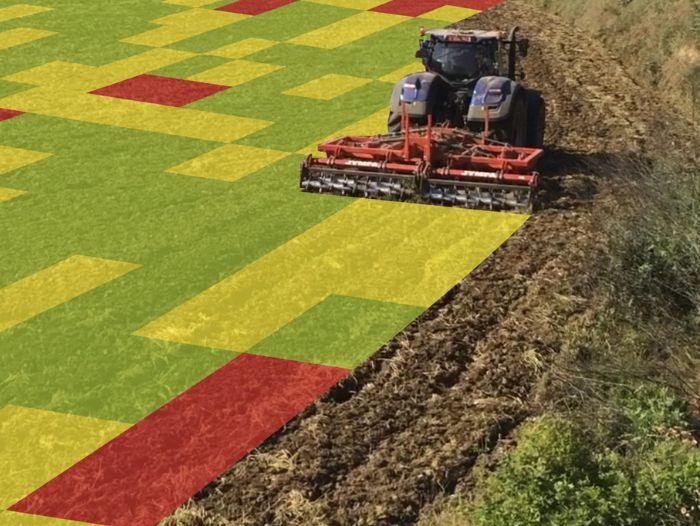
- The Agricultural Machinery Unit (UMA) at the Universitat Politècnica de Catalunya - BarcelonaTech (UPC) participated in the CULTISENSOR project to design, manufacture and validate a sensing subsoiler prototype for soil decompaction. This instrument allows mapping and interpretation of the physical conditions of soil when fieldwork activities are being carried out.
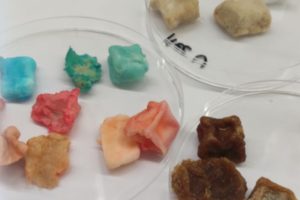
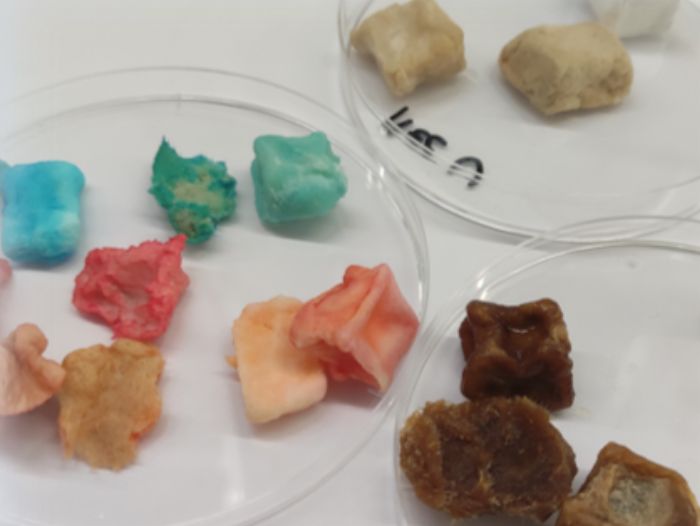
- The Paper Engineering research group (CELBIOTECH) at the Universitat Politècnica de Catalunya - BarcelonaTech (UPC) is participating in a project to develop biodegradable materials from cellulose, to transform them into advanced, eco-friendly bioproducts.
- The Centre for Sensors, Instruments and Systems Development (CD6) at the Universitat Politècnica de Catalunya - BarcelonaTech (UPC) is participating in the development of a smart assistant device that, by combining building information modelling (BIM) with augmented reality and virtual reality technologies, provides a comprehensive tool at each stage of the construction life cycle.