

Experimental methodoly for optimization of telehandlers for AUSA
December 16, 2019
Technical assistance with the restoration of buildings 1, 2 and 4 of can Bagaria
December 21, 2019The Language and Speech Technologies and Applications Center (TALP) is participating in the AMALEU (A Machine-Learned Universal Language Representation) project. The aim of the project is to obtain a universal language representation based on automatic learning: one for spoken language and one for written.

Why is automatic translation between English and Portuguese significantly better than automatic translation between Dutch and Spanish? Why does voice recognition work better in German than in Finnish? The main problem is the insufficient amount of labelled data for training in both cases. Although the world is multimodal and highly multilingual, speech and language technology provide a satisfactory response for all languages. We need better learning methods that take advantage of the advances in some modalities and languages to benefit others.
The aim of AMALEU is to automatically learn a universal representation of language, whether it is with voice or text. This can be used in artificial intelligence applications for different languages. The project will use unlabelled information sources and language information. The project focuses on the challenge of learning from few resources and an approach to automatic multilingual translation.
AMALEU will have an impact on highly multidisciplinary communities of specialists in computer sciences, mathematics, engineering and linguistics who work with natural language understanding applications, natural language and speech processing.
AMALEU is funded by the Spanish Ministry of Economy and Competitiveness (MINECO), as part of the Europe Excellence programme. The project lasts two years (January 2019 – December 2020).
Technology
You want to know more?
Related Projects
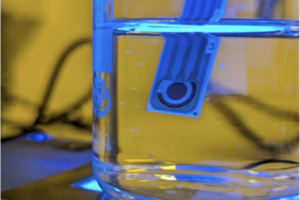
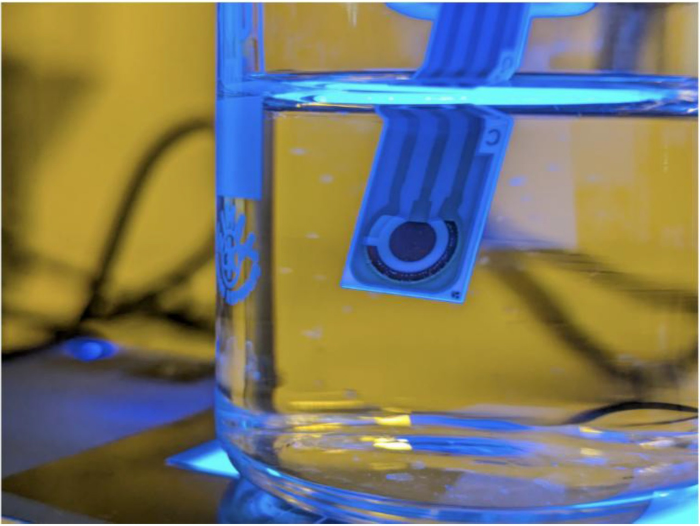
- The MICROTECH LAB - Microtechnology for the Industry research subgroup, part of the Centre for Advanced Technologies in Mechanics (CATMech) at the Universitat Politècnica de Catalunya - BarcelonaTech (UPC), is leading the technical development of a minimally invasive platform to monitor biomarkers and physiological indicators related to stress and emotional wellbeing.
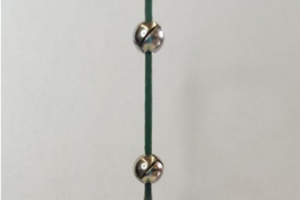
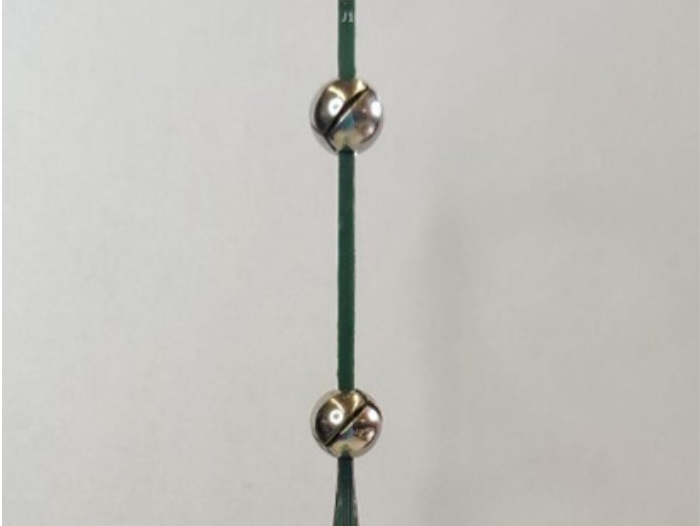
- A research team from the Universitat Politècnica de Catalunya - BarcelonaTech (UPC) has participated in the M3LEC project, coordinated by the Centro de Astrobiología (CAB), a joint centre of the Spanish National Research Council (CSIC) and the Instituto Nacional de Técnica Aeroespacial (INTA), with the Universidad de Sevilla (US) / Instituto de Microelectrónica de Sevilla (IMSE) also participating. M3LEC aimed to contribute to the characterisation of the Martian atmosphere and meteorology, and to investigate new instrumentation for future planetary exploration missions.
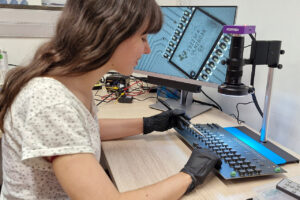
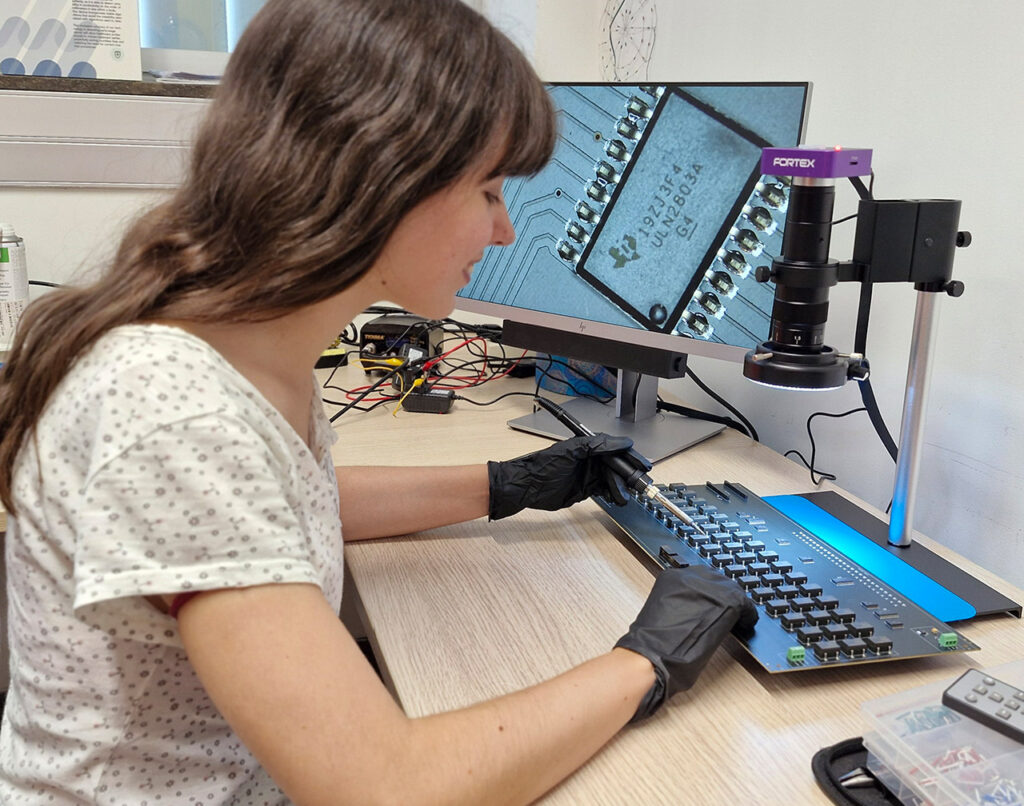
- A team from the Matrix Analysis and Discrete Potential Theory (MAPTHE) research group at the Universitat Politècnica de Catalunya - BarcelonaTech (UPC), and the Department of Mathematics at CUNEF Universidad in Madrid, have participated in the development of MARIA, a prototype of a portable, flexible and radiation-free device designed to improve the early detection of breast cancer. The device can identify tumours through electrical conductivity, with the aim of enabling its future use in primary care settings.
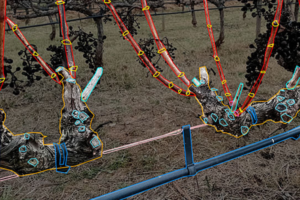
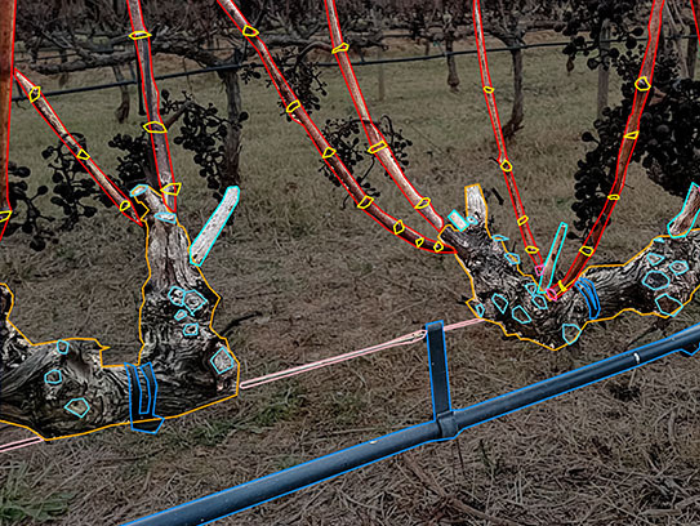
- The Center for Industrial Equipment Design (CDEI-UPC) at the Universitat Politècnica de Catalunya - BarcelonaTech (UPC) is participating in a cross-border project aimed at promoting the use of advanced digital technologies in viticulture in regions on both sides of the Pyrenees. The initiative seeks to improve specialist training, technical advice and decision-making in vineyard management.