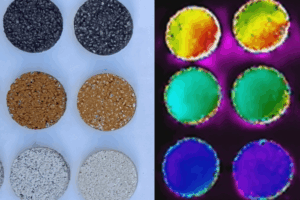
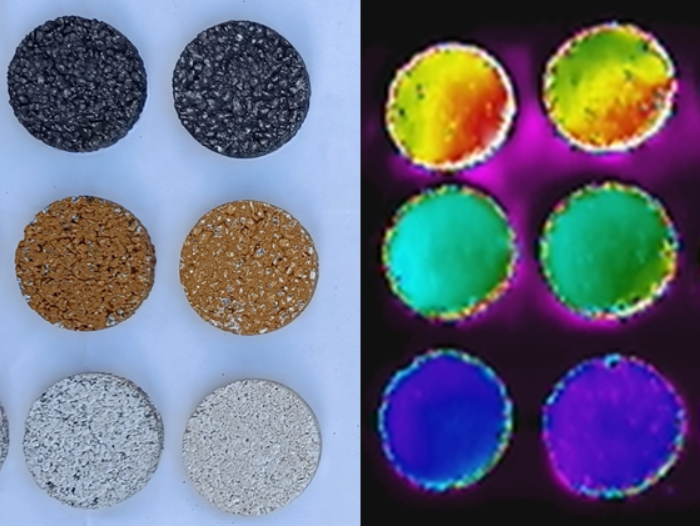
- The Construction Materials and Roads (MATCAR) research group at the Universitat Politècnica de Catalunya - BarcelonaTech (UPC) has carried out the RELUM project with the aim of researching and developing innovative solutions to help prevent global warming, through the design of sustainable pavements with reflective and photoluminescent properties, in collaboration with the company Sorigué.
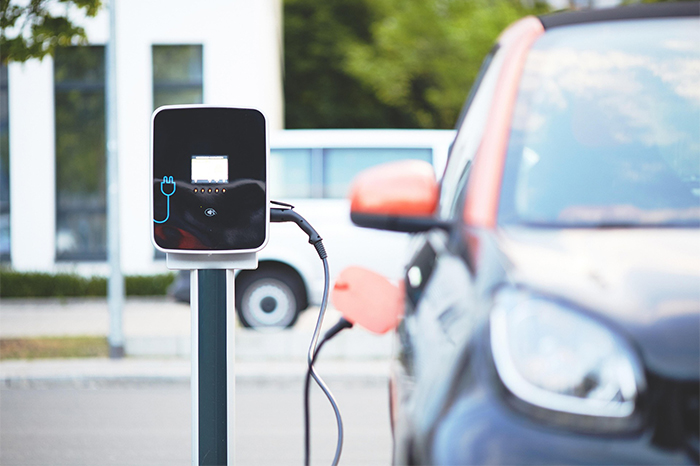
- The Barcelona Innovative Transportation (BIT), the Research Center in Automotive and Advanced Mobility (CER-AMA) and The Future Mobility Research Hub (CARNET) research groups from the Universitat Politècnica de Catalunya - BarcelonaTech (UPC) are participating in the E-MED project, which aims to optimise energy and resource efficiency in public transport systems by addressing energy price fluctuations through smart and participatory solutions across the Mediterranean region.
- The company Trace ID and the group Twin Investors, in collaboration with the Textile Technology research group (TECTEX), which is part of the Institute of Textile Research and Industrial Cooperation of Terrassa (INTEXTER) at the Universitat Politècnica de Catalunya - BarcelonaTech (UPC), are developing electronic devices to identify, monitor, and study the traceability of the products in which they are embedded.
- The company Friselva S.A., Corporació Alimentària Guissona (bonÀrea), together with the Food Service Cluster and inLab FIB at the Universitat Politècnica de Catalunya - BarcelonaTech (UPC), are participating in the Hydroless project, which aims to optimise water consumption in meat production plants. The project includes an innovative solution to monitor and optimise water use at bonÀrea’s plant in Guissona, as well as the design and development of a digital twin of Friselva’s facilities in Riudellots de la Selva.
- The EU-funded Quick Challenge-Driven, Human-Centred Co-Creation Mechanism for INDUStry-Academia Collaborations (INDUSAC) project has successfully developed and validated a new, human-centred, challenge-driven co-creation mechanism that connects industry with academia across Europe. Over three years of implementation, the project has supported international teams of students and researchers in tackling innovation needs directly submitted by companies. The INDUSAC project has created a dynamic community of industry-academia stakeholders focused on circularity, general sustainability, digitalisation and industry 4.0.
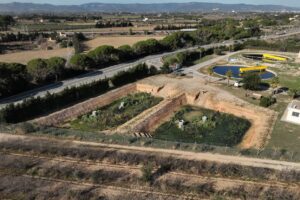
- The Hydrogeology Group (GHS) at the Universitat Politècnica de Catalunya - BarcelonaTech (UPC) is participating in the LIFE REMAR project to develop an innovative and sustainable solution for the reuse of treated wastewater through infiltration, with the aim of increasing the availability of freshwater resources and improving the state of ecosystems.
- A research team led by the Mobile Robotics and Artificial Intelligence Group (RAIG) of the Institute of Robotics and Industrial Informatics (IRI, CSIC-UPC) at the Universitat Politècnica de Catalunya - BarcelonaTech (UPC) is taking part in the European project TRIFFID (auTonomous Robotic aId For increasing FIrst responDers efficiency). The aim is to develop a platform to support rescue operations in emergency situations. The initiative combines advanced robotics, artificial intelligence and immersive interfaces to enhance safety and accelerate response in hazardous environments.
- The Centre of Technological Innovation in Power Electronics and Drives (CITCEA) of the Universitat Politècnica de Catalunya - BarcelonaTech (UPC) is leading a European project that redesigns the current energy system to stabilise the power grid in the face of high renewable energy penetration. The proposed solutions involve using the loads that consume energy to help balance the grid.
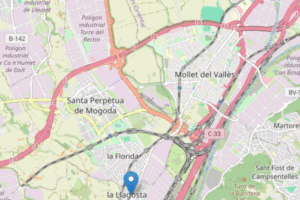
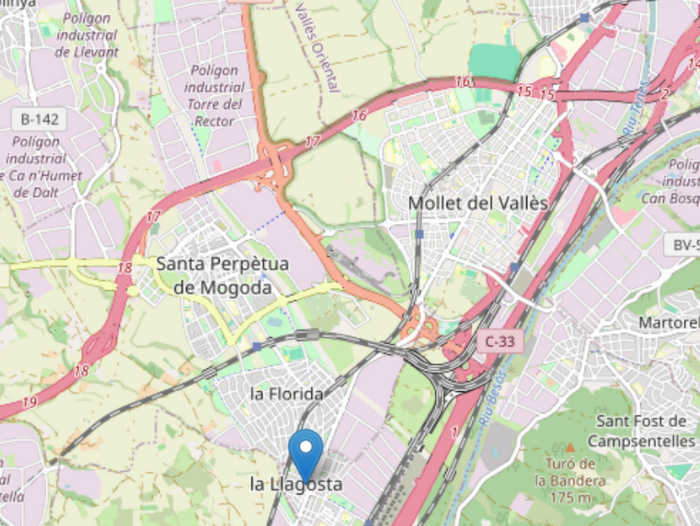
- A team from the Environment Centre Laboratory (LCMA) of the Universitat Politècnica de Catalunya - BarcelonaTech (UPC) is taking part in a study commissioned by the city councils of la Llagosta, Mollet and Santa Perpètua (in Vallès Occidental), with the main objective of identifying the impact of industrial plants on the generation of unpleasant odours and continuously monitoring air quality in these municipalities.
- Researchers from the Concrete Sustainability and Smart Structures (C3S) research group, part of the Construction Engineering (EC) group at the Universitat Politècnica de Catalunya - BarcelonaTech (UPC), are leading the CIRC-BOOST project, which aims to promote sustainability, industrial competitiveness and greater resource efficiency in the European construction sector.
- A research team involving the Barcelona Innovative Transportation (BIT), inLab FIB, CARNET Barcelona – Future Mobility Research Hub (CER-AMA), and the Department of Computer Architecture (DAC) of the Universitat Politècnica de Catalunya - BarcelonaTech (UPC) is driving the i-MovE project, which aims to incorporate multisectoral data to provide much more accurate and valuable information for the mobility sector. The project develops four use cases focused on both companies and mobility authorities, covering public and individual transport, using the UPCxels demonstrator.
- The Structural and Materials Technology (ATEM) research group at the Universitat Politècnica de Catalunya - BarcelonaTech (UPC) is participating, in collaboration with the Universitat de les Illes Balears (UIB), in the ReINfoRCed project, which aims to promote the extension of the service life of reinforced concrete structures affected by corrosion.
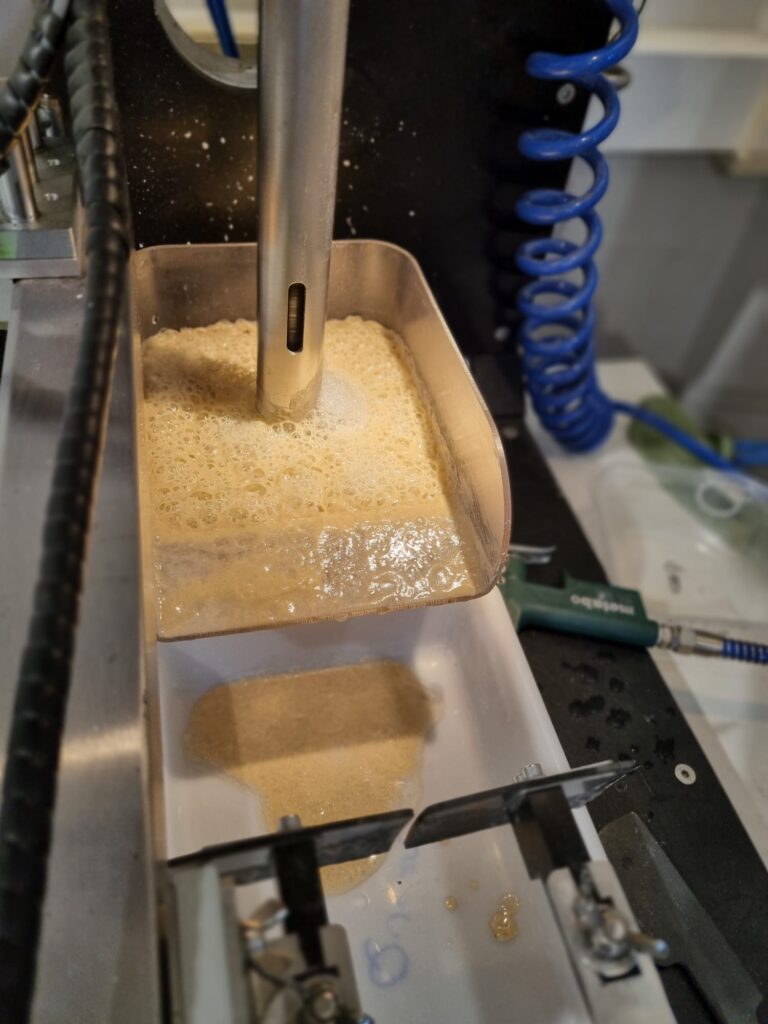
- Researchers from the UPC are participating in the Quartz Enrichment Enabling Near-Zero Silicon (QUEEN) project, aimed at reducing the European Union’s dependence on external sources for critical raw materials, particularly metallurgical-grade silicon (MG-Si). To achieve this, the project proposes harnessing an underused resource: quartz sand from European quarries, to produce MG-Si locally, sustainably, and efficiently.
- A team from the Bioinspired Oral Biomaterials and Interfaces (BOBI) research group at the Department of Materials Science and Engineering (CEM) of the Universitat Politècnica de Catalunya - BarcelonaTech (UPC) is taking part in the European project HYDROHEAL, which explores how to transform bone fracture treatment using smart and advanced biomaterials, aiming to reduce the risk of infection and implant rejection, as well as shortening fracture recovery times.
- A multidisciplinary team of researchers from the Research Group in Smart and Sustainable Resources and Industries (RIIS), the Sustainable Mining Research Group (GREMS), and the Construction Materials and Roads (MATCAR) group at the Universitat Politècnica de Catalunya – BarcelonaTech (UPC) is leading the VALORFIN project. The aim is to develop a technological solution for the valorisation of the fine fraction of construction and demolition waste (CDW), transforming it into new low-CO₂-emission cementitious materials, while also reducing the presence of hazardous materials in this waste.
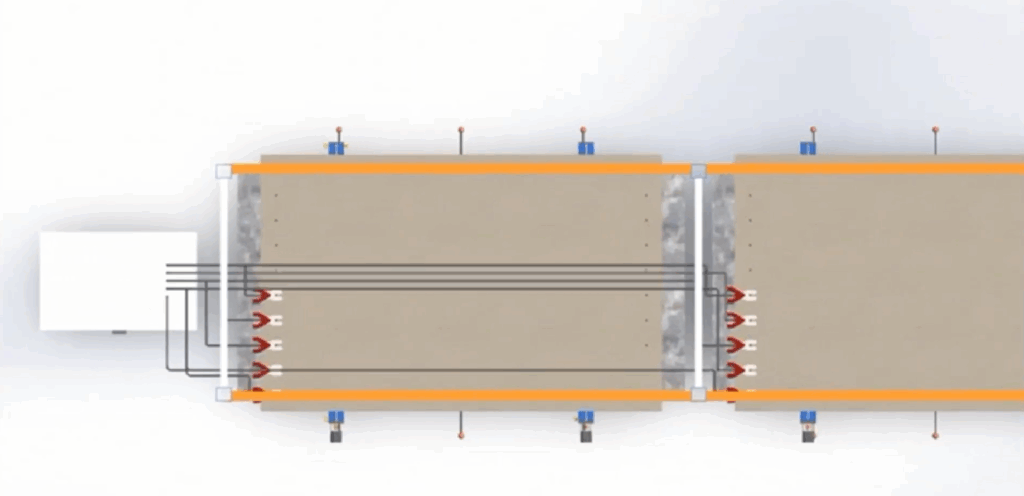
- A team led by the Electronic and Biomedical Instrumentation (IEB) research group at the Universitat Politècnica de Catalunya - BarcelonaTech (UPC) is developing an electronic chip that enables more objective detection of potential infractions in race walking, which are currently judged solely by visual observation. The technology, already tested in official competitions, provides accurate, objective, and fair data on race walkers’ loss of ground contact.