

- All
- Agricultura
- agrotech (antiguo)
- Agrotech (antiguo)
- Agua
- Aigua
- Alimentación, agricultura y medio marino
- Audiovisual
- Automoción
- Big Data
- Biomateriales
- blockchain
- Ciberseguridad
- Economía Circular
- Enertronic
- Enertrònica
- Food, agriculture and the marine environment
- Green Car
- IAQ
- ict
- Indoor air quality
- Industria 4.0
- Industry
- Inteligencia Artificial
- Internet of Things
- Materiales de frontera
- Materiales de frontera
- microxips
- Mobile Technologies
- Open innovation
- Óptica y fotónica
- Qualitat de l’aire interior (IAQ)
- Realidad Virtual y Realidad Aumentada
- Robótica y Visión
- Sector Salut
- Smart City
- Smart Grids
- Technology
- Tecnologías de Agrotech
- Tecnologías de Infraestructuras
- Tecnologías de la Energía
- Tecnologías de la Producción
- Tecnologías de la Química
- Tecnologías de la Química
- Tecnologías de la Salud
- Tecnologías de la Transformación Digital
- Tecnologías de Logística y Movilidad
- Tecnologías de los Materiales
- Tecnologías de Urbanismo y Sostenibilidad
- Tecnologías del Medio Ambiente
- Tecnologías Químicas y de la Alimentación
- UPCxels
- Water
- Wood
- X
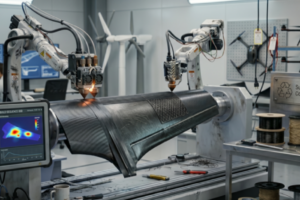
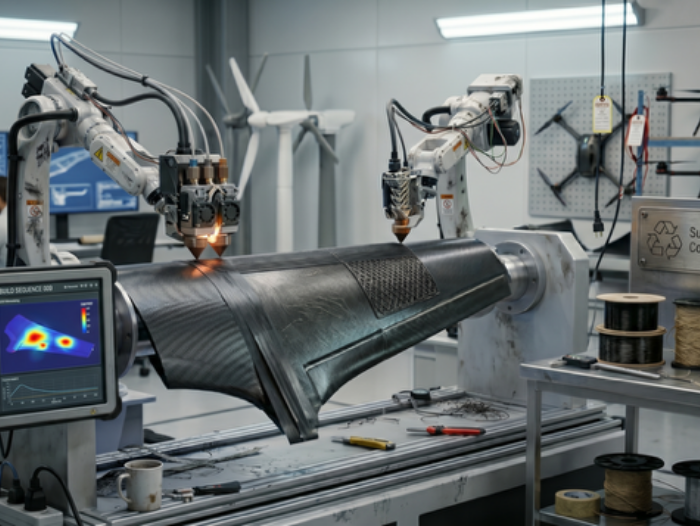
- The Control, Data and Artificial Intelligence (CoDAlab) research group at the Universitat Politècnica de Catalunya - BarcelonaTech (UPC) is taking part in the ATHENS project, which is developing recyclable thermoplastic composite materials with advanced real-time monitoring systems to improve the manufacture, safety and service life of lightweight structures.
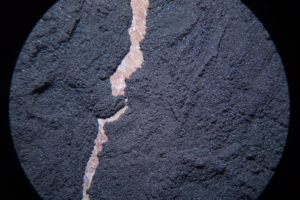
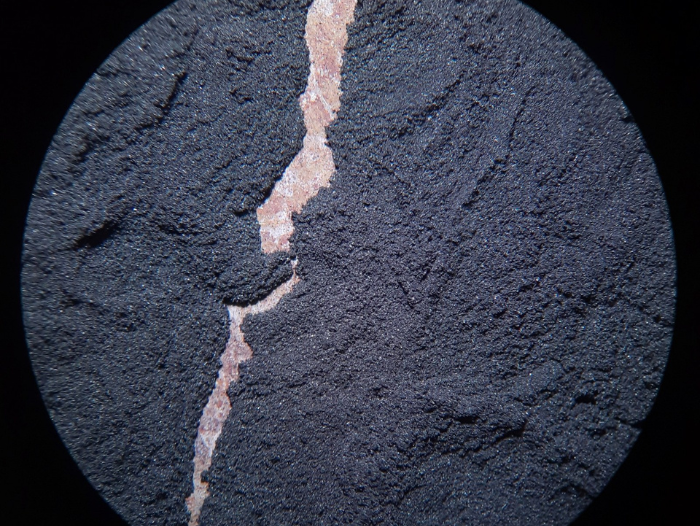
- The Research Group in Smart and Sustainable Resources and Industries (RIIS) at the Universitat Politècnica de Catalunya - BarcelonaTech (UPC) is developing the ZeroCarbonPave project, which aims to assess the feasibility of incorporating biochar as filler and/or as the fine fraction of granular material in bituminous mixtures, with the objective of reducing the carbon footprint associated with the manufacture and laying of road pavements.
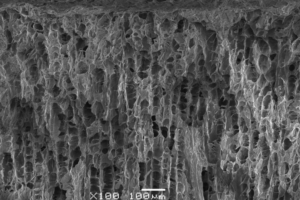
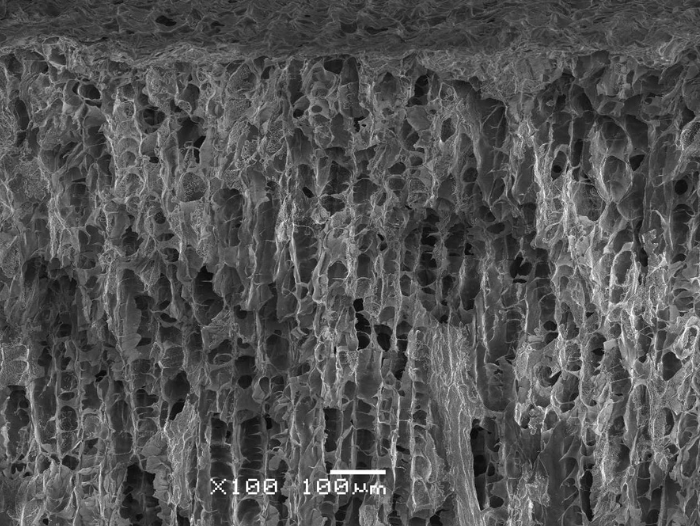
- The e-PLASCOM research group at the Universitat Politècnica de Catalunya - BarcelonaTech (UPC) is developing a solution based on biodegradable sodium alginate and gelatin aerogels for the purification of non-potable water and desalination using solar energy.
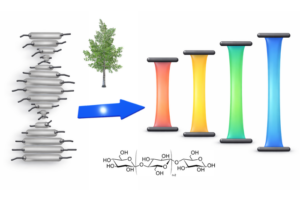
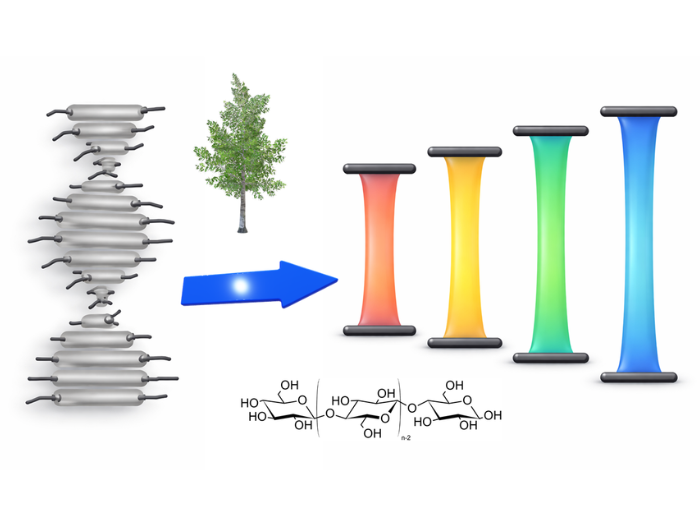
- The Materials Interfaces and Colloid Engineering group (INTERCOLL) at the Universitat Politècnica de Catalunya - BarcelonaTech (UPC), in collaboration with the Life Cycle Thinking group at the University of the Basque Country (EHU), are taking part in the BIOCHOLESTEROID project to develop new bio-based smart materials with optical response for advanced applications.
- A research team from the UPC, in collaboration with the company B. Braun Surgical, has created a ceramic and biocompatible catalyst that captures greenhouse gases and transforms them into useful chemical products in a more sustainable way and at a lower cost than current technologies. The technology has successfully passed the pilot phase through joint projects with companies from different sectors.
- A team from the Bioinspired Oral Biomaterials and Interfaces (BOBI) research group at the Department of Materials Science and Engineering (CEM) of the Universitat Politècnica de Catalunya - BarcelonaTech (UPC) is taking part in the European project HYDROHEAL, which explores how to transform bone fracture treatment using smart and advanced biomaterials, aiming to reduce the risk of infection and implant rejection, as well as shortening fracture recovery times.
- The organisation CARBOPESCA, together with the research group Development Center of Remote Acquisition and Information Processing Systems (SARTI) and the Efficient and Robust Integrated Circuits and Systems (EFRICS) group, at the UPC, are leading the iPROPEZESPADA project, an initiative aimed at optimising the capture and management of swordfish fishing using artificial intelligence.
- The Resource Recovery and Environmental Management (R2EM) of the Center for Research in Multiscale Science and Engineering (CCEM) at the Universitat Politècnica de Catalunya - BarcelonaTech (UPC) is leading the HARMONIZE project, which focuses on the recovery and valorisation of ammonia from urban and industrial waste streams. The project is part of a larger initiative, MemTecWare, coordinated by the UCM.
- The Biological Treatment of Gaseous Pollutants and Odours Group (BIOGAP) at UPC is participating in the BIOMETCRI project, which aims to implement an innovative biotechnological process to recycle batteries from electric and hybrid vehicles, recovering valuable metals such as cobalt, lithium, nickel, and manganese.
- The company Natural Machines and the Heat and Mass Transfer Technological Centre (CTTC-UPC) at the UPC have completed the EFICIENT3D project, during which a low-energy cooking system was developed by integrating advanced heat transfer technologies into the 3D food printer, Foodini, commercialised by Natural Machines.
- A team of researchers from the materials and structures area of CATMech at UPC is participating in a circular economy project to study the feasibility of using canemuixa, a by-product of hemp, in five applications in the building sector.
- The Centre for Advanced Technologies in Mechanics (CATMech) at the Universitat Politècnica de Catalunya - BarcelonaTech (UPC) is involved in a project to explore additive manufacturing technology with concrete to provide innovative solutions to the construction market. The project, called ADRIANO, aims to develop a real-time control system for the concrete manufacturing process, to estimate the expected outcome and anticipate decision-making on its various stages.
- A team of researchers from the Manufacturing Technologies Research Group (TECNOFAB) at the Universitat Politècnica de Catalunya - BarcelonaTech (UPC) has participated in BRUVIT. The aim of this project is to develop and validate the ball burnishing process assisted by ultrasonic vibration to improve the hardness and surface integrity of parts on a parallel lathe.
- An international consortium of universities, hospitals and companies, led by the Centre for Sensors, Instruments and Systems Development (CD6) at the UPC, is developing new technologies based on light and artificial intelligence to improve the diagnosis of various diseases.
- The protection of infrastructures is a commercial and environmental challenge as it enables the useful life of these elements to be lengthened and avoids the early generation of residues.