

- All
- Agricultura
- agrotech (antiguo)
- Agrotech (antiguo)
- Agua
- Aigua
- Alimentación, agricultura y medio marino
- Audiovisual
- Automoción
- Big Data
- Biomateriales
- blockchain
- Ciberseguridad
- Economía Circular
- Enertronic
- Enertrònica
- Food, agriculture and the marine environment
- Green Car
- IAQ
- ict
- Indoor air quality
- Industria 4.0
- Industry
- Inteligencia Artificial
- Internet of Things
- Materiales de frontera
- Materiales de frontera
- microxips
- Mobile Technologies
- Open innovation
- Óptica y fotónica
- Qualitat de l’aire interior (IAQ)
- Realidad Virtual y Realidad Aumentada
- Robótica y Visión
- Sector Salut
- Smart City
- Smart Grids
- Technology
- Tecnologías de Agrotech
- Tecnologías de Infraestructuras
- Tecnologías de la Energía
- Tecnologías de la Producción
- Tecnologías de la Química
- Tecnologías de la Química
- Tecnologías de la Salud
- Tecnologías de la Transformación Digital
- Tecnologías de Logística y Movilidad
- Tecnologías de los Materiales
- Tecnologías de Urbanismo y Sostenibilidad
- Tecnologías del Medio Ambiente
- Tecnologías Químicas y de la Alimentación
- UPCxels
- Water
- Wood
- X
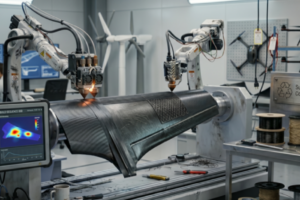
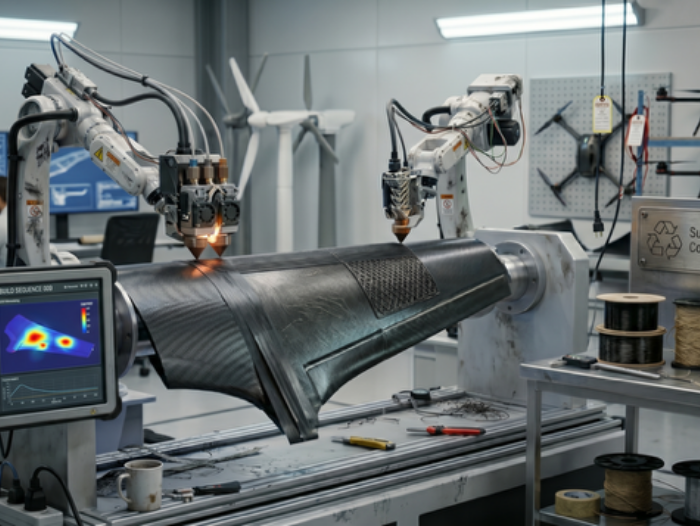
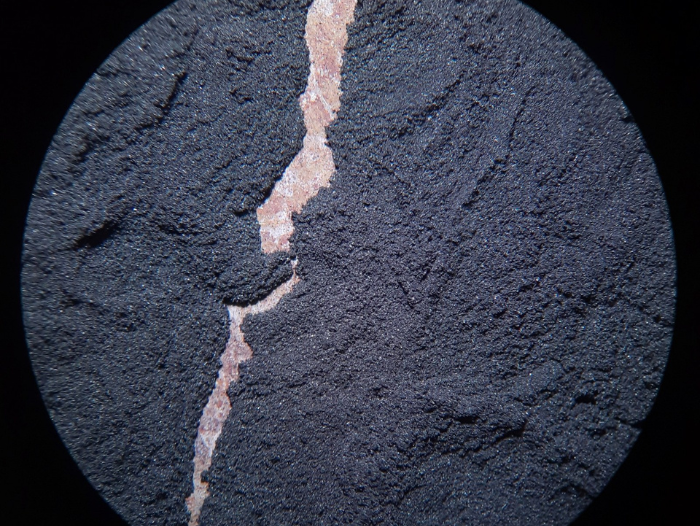
- The Control, Data and Artificial Intelligence (CoDAlab) research group at the Universitat Politècnica de Catalunya - BarcelonaTech (UPC) is taking part in the ATHENS project, which is developing recyclable thermoplastic composite materials with advanced real-time monitoring systems to improve the manufacture, safety and service life of lightweight structures.
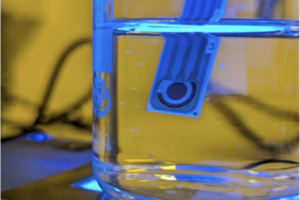
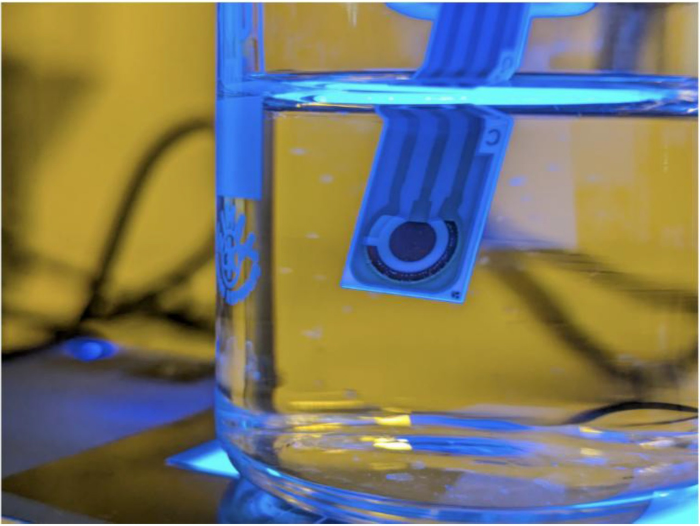
- The MICROTECH LAB - Microtechnology for the Industry research subgroup, part of the Centre for Advanced Technologies in Mechanics (CATMech) at the Universitat Politècnica de Catalunya - BarcelonaTech (UPC), is leading the technical development of a minimally invasive platform to monitor biomarkers and physiological indicators related to stress and emotional wellbeing.
- The Interdisciplinary Group on Building Science and Technology (GICITED) and the Energy, Catalysis, Process and Reaction Engineering (ENCORE) research group at the Universitat Politècnica de Catalunya - BarcelonaTech (UPC) are participating in the European ArchiSpace project, to develop infrastructure prototypes for human settlements in extraterrestrial environments using materials and conditions analogous to those on the Moon and Mars.
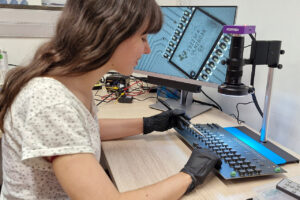
- A team from the Matrix Analysis and Discrete Potential Theory (MAPTHE) research group at the Universitat Politècnica de Catalunya - BarcelonaTech (UPC), and the Department of Mathematics at CUNEF Universidad in Madrid, have participated in the development of MARIA, a prototype of a portable, flexible and radiation-free device designed to improve the early detection of breast cancer. The device can identify tumours through electrical conductivity, with the aim of enabling its future use in primary care settings.
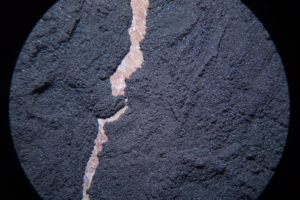
- The Research Group in Smart and Sustainable Resources and Industries (RIIS) at the Universitat Politècnica de Catalunya - BarcelonaTech (UPC) is developing the ZeroCarbonPave project, which aims to assess the feasibility of incorporating biochar as filler and/or as the fine fraction of granular material in bituminous mixtures, with the objective of reducing the carbon footprint associated with the manufacture and laying of road pavements.
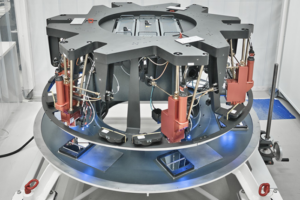
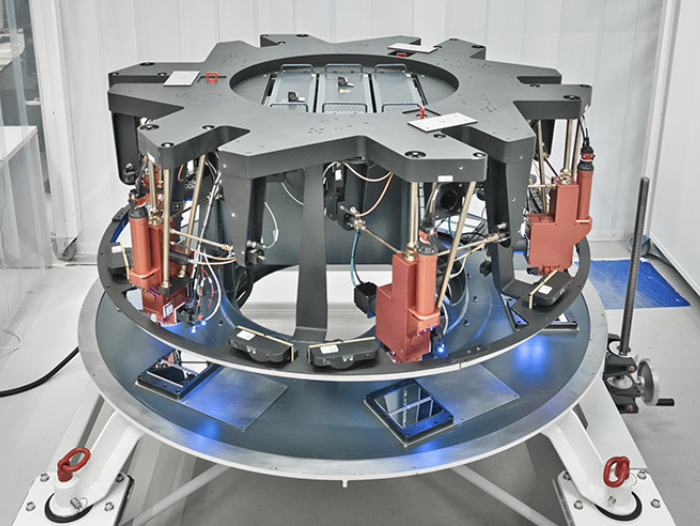
- The UPC’s Centre for Sensors, Instruments and Systems Development (CD6) in Terrassa, alongside IDOM Engineering, has finalised the design and construction of the optical system that will calibrate the Extremely Large Telescope’s (ELT) main mirror, with a 39-metre diameter. The ELT will be the world’s largest ground-based optical and near-infrared telescope. It is currently under construction at an altitude of over 3,000 metres on Cerro Armazones in Chile’s Atacama Desert.
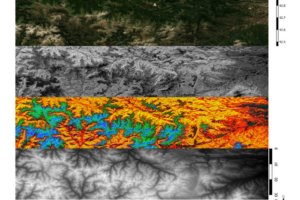
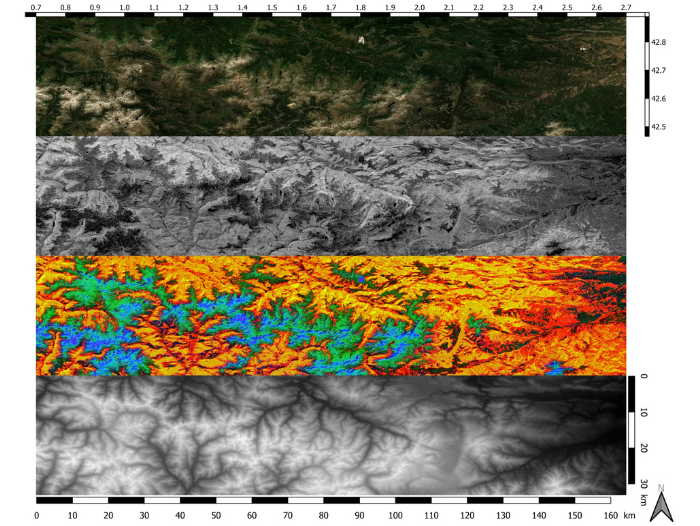
- Un equip de recerca de la UPC, integrat pel CommSensLab-UPC i el Remote Sensing Lab (RSLAB) de la Universitat Politècnica de Catalunya - BarcelonaTech (UPC), juntament amb l’Institut d’Estudis Espacials de Catalunya (IEEC), ha participat en el projecte AI4EO, amb l’objectiu d’impulsar solucions i posar en pràctica eines d’intel·ligència artificial aplicades a dades d’observació de la Terra en diversos casos d’ús sobre el territori català.
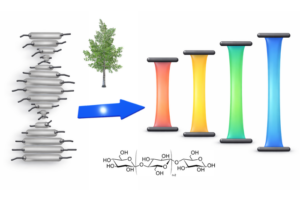
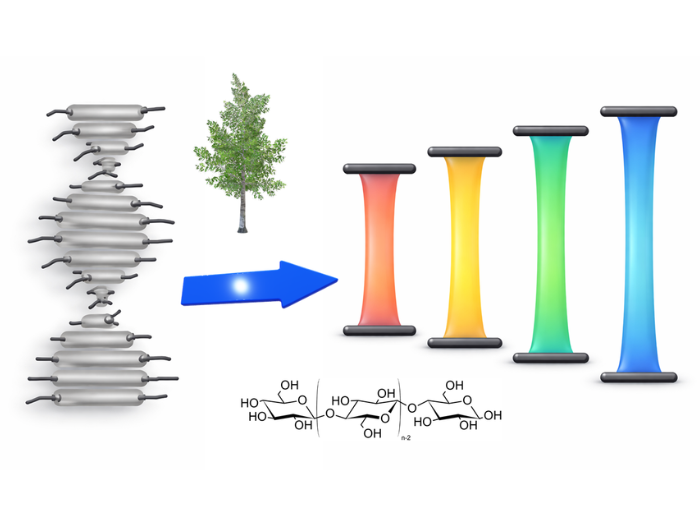
- The Materials Interfaces and Colloid Engineering group (INTERCOLL) at the Universitat Politècnica de Catalunya - BarcelonaTech (UPC), in collaboration with the Life Cycle Thinking group at the University of the Basque Country (EHU), are taking part in the BIOCHOLESTEROID project to develop new bio-based smart materials with optical response for advanced applications.
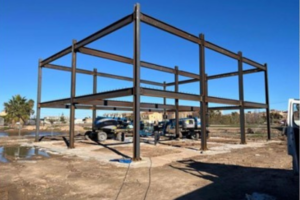
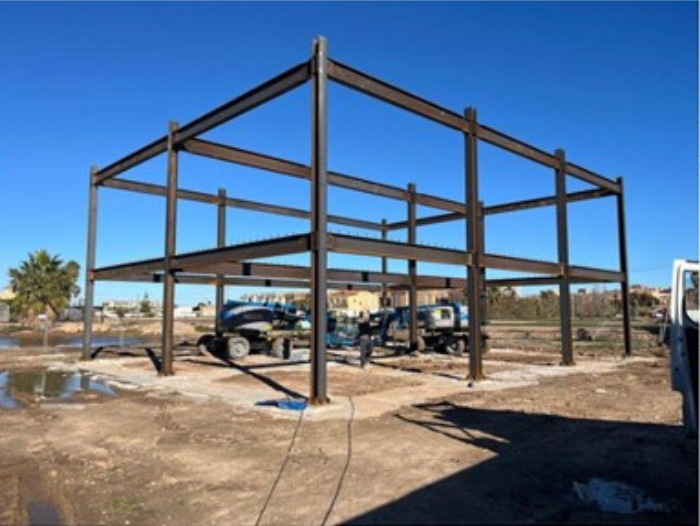
- The research groups Structural and Materials Technology (ATEM) and the Construction Engineering (EC) at the Universitat Politècnica de Catalunya - BarcelonaTech (UPC) are working on the RE-STEEL project, which aims to develop an efficient methodology for assessing the rehabilitation of existing steel structures.
- The project is led by a team from the Rehabilitation and Architectural Restoration (REARQ) at the Universitat Politècnica de Catalunya - BarcelonaTech (UPC), in collaboration with the Interdisciplinary Group on Building Science and Technology (GICITED), also from UPC, and CONSTRAULA.
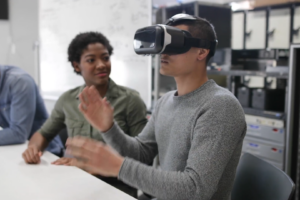
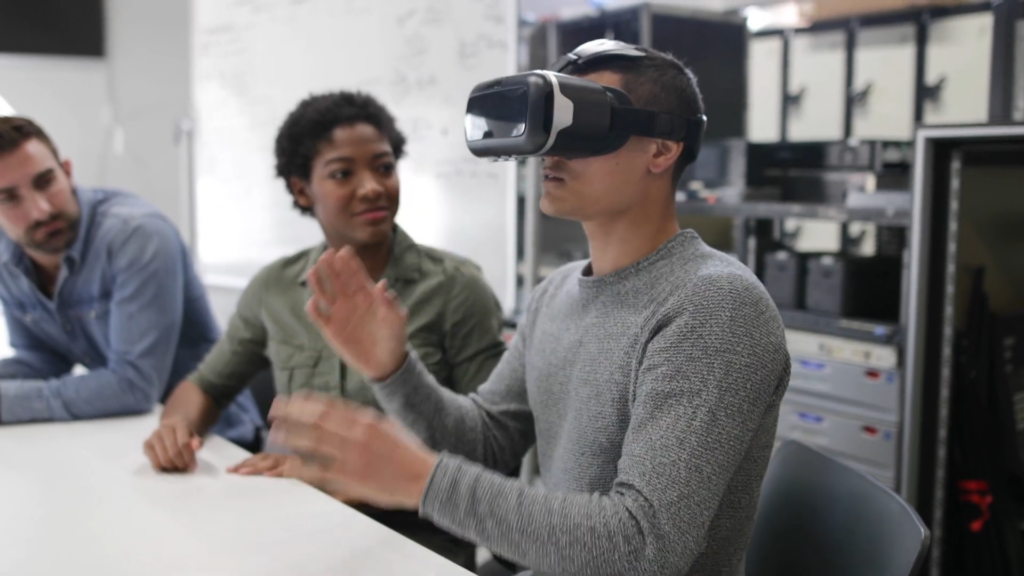
- The Visualisation, Virtual Reality and Graphic Interaction Research Group (ViRVIG) at the Universitat Politècnica de Catalunya - BarcelonaTech (UPC) has participated in the XR4ED project, an initiative that connects the educational technology (EdTech) and Extended Reality (XR) sectors, with the aim of transforming learning and training across Europe.
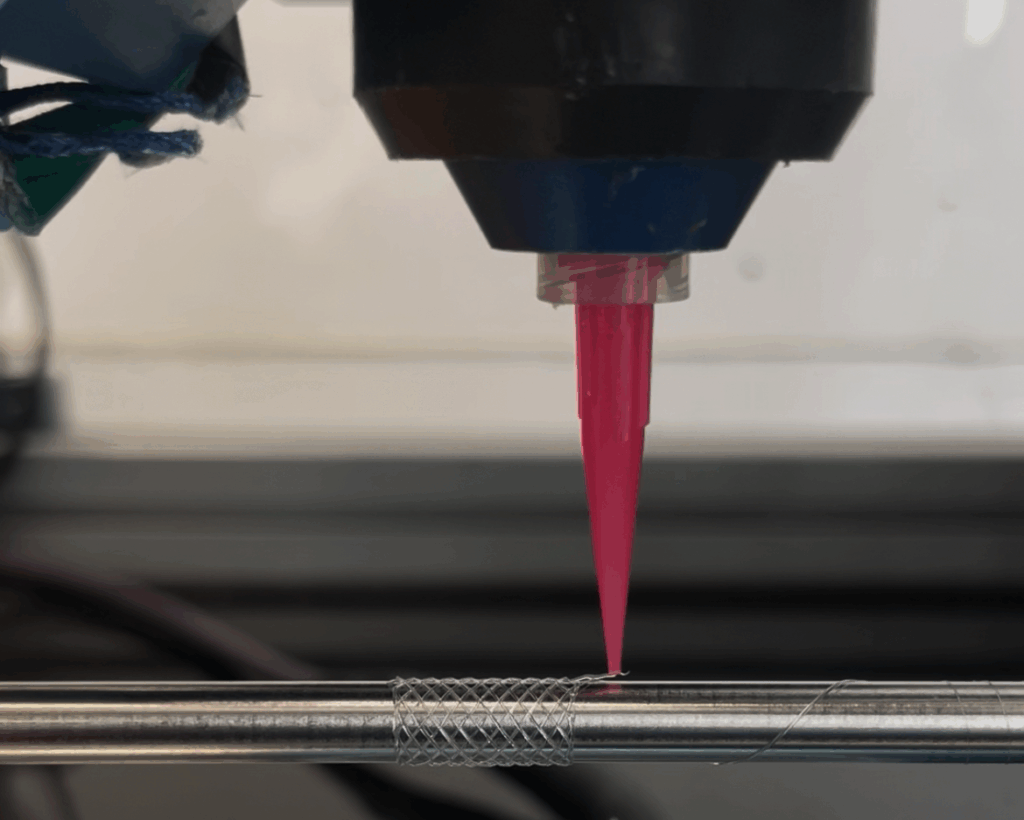
- The research groups in Biomaterials, Biomechanics and Tissue Engineering (BBT) and the Barcelona Research Center in Multiscale Science and Engineering (CCEM) at the Universitat Politècnica de Catalunya – BarcelonaTech (UPC) have developed biodegradable shape-memory stents for pediatric patients with aortic coarctation.
- A research team from the inLab FIB at the Universitat Politècnica de Catalunya - BarcelonaTech (UPC), together with the Asociación de Personas con Movilidad Reducida (AsoPMR), has taken part in the Spot4Dis project to enhance the mobility and autonomy of people with reduced mobility.
- The La Volta project foresees the construction of a large Catalan vault pergola within the Llars Mundet campus, in the Montbau neighbourhood (Horta-Guinardó district). This structure will become a new architectural landmark for Barcelona, combining traditional construction techniques with contemporary innovation. The project involves the Rehabilitation and Architectural Restoration Research Group (REARQ), at the Universitat Politècnica de Catalunya - BarcelonaTech (UPC), and is led by the Architects’ Association of Catalonia (COAC) and the Barcelona Provincial Council.
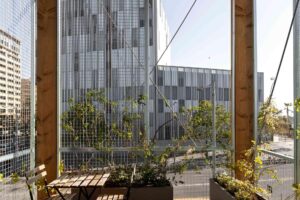
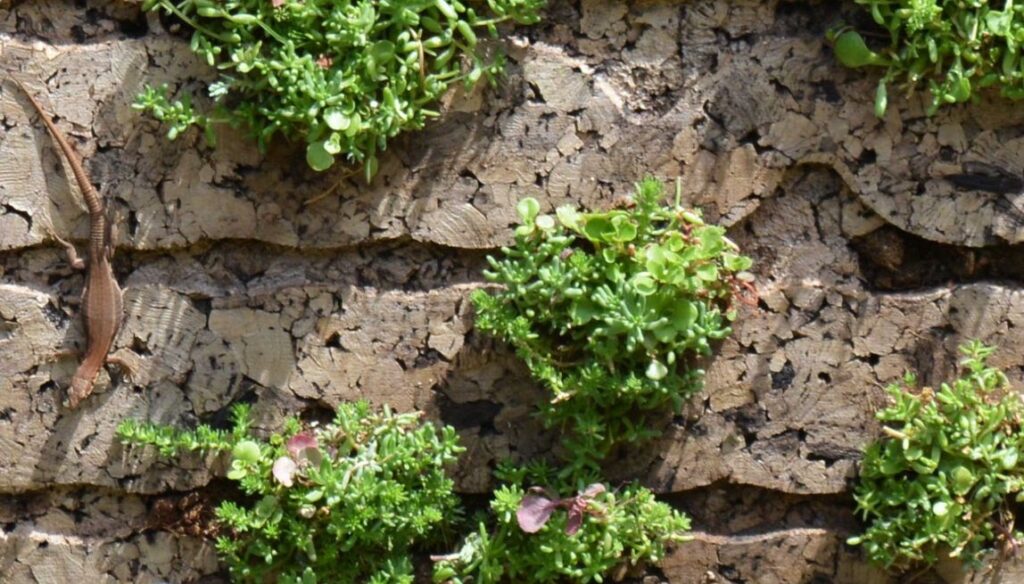
SATE-VEG: A system for energy renovation of buildings that helps reduce the urban heat island effect
Researchers from the Architecture, Energy and Environment (AiEM) group at the Universitat Politècnica de Catalunya - BarcelonaTech (UPC) have developed SATE-VEG, an external thermal insulation system with a vegetal coating that offers seasonally adaptive thermal behaviour, enhances urban biodiversity and promotes positive health effects. The system is made from organic materials, requires low maintenance and consumes minimal water.- A research team from the Interdisciplinary Group on Building Science and Technology (GICITED) at the Universitat Politècnica de Catalunya – BarcelonaTech (UPC) is leading the BioSAFE project, which aims to develop sustainable building envelopes —mainly façades— designed according to sustainability, comfort and safety criteria, with particular attention to their acoustic behaviour and fire performance.